



Introduction
1-inch roofing nails are a critical fastening component in residential and commercial roofing systems, primarily designed for securing asphalt shingles, felt underlayment, and other roofing materials to a structural deck (typically plywood or OSB). Positioned within the building materials supply chain, they represent a mature technology, yet ongoing innovations focus on corrosion resistance, improved shank designs for holding power, and specialized coatings for enhanced performance in various climates. Their core performance characteristics are defined by shank length, head size, gauge (wire diameter), and the type of finish applied. A fundamental challenge in the roofing industry is ensuring long-term structural integrity, and the selection of appropriate roofing nails – specifically their material composition and installation technique – directly impacts the lifespan and weather resistance of the roof. Improper nail selection or application leads to failures like shingle blow-off, water infiltration, and premature roof degradation, resulting in significant economic and safety concerns for building owners.
Material Science & Manufacturing
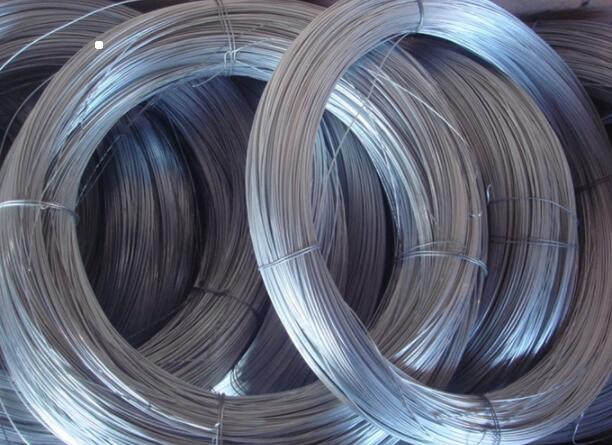
Roofing nails are predominantly manufactured from carbon steel, specifically SAE 1008 or similar low-carbon steels, offering a balance of ductility and cost-effectiveness. The steel wire undergoes a cold heading process where it is fed into machines that cut the wire to length and form the nail head. Critical material properties include tensile strength (typically 60,000 - 80,000 PSI), yield strength, and elongation. The manufacturing process involves several quality control checkpoints to ensure consistent head diameter, shank straightness, and point sharpness. Protective coatings are then applied, commonly utilizing zinc galvanization (hot-dip or electrogalvanization) for corrosion resistance. More advanced coatings include polymer-based formulations, epoxy coatings, and stainless-steel alloys (primarily 304 or 316) for extreme environments. The galvanization process is crucial; achieving a uniform coating thickness (measured in microns) is essential for preventing rust and extending the service life of the nail. Variations in steel composition and coating thickness directly correlate to the nail’s resistance to atmospheric corrosion, particularly in coastal regions or areas with high humidity and exposure to acid rain. Shank designs vary, including smooth, ring shank, and screw shank, each impacting withdrawal resistance.
Performance & Engineering
The performance of 1-inch roofing nails is fundamentally governed by several engineering principles. Shear strength is paramount, dictating the nail's ability to resist lateral forces exerted by wind uplift. Withdrawal resistance, influenced by shank design (ring or screw shanks provide significantly higher hold), prevents shingles from being pulled off the roof deck. Nail penetration depth is critical; insufficient penetration reduces holding power, while excessive penetration can damage the underlying deck. Force analysis involves calculating the shear stress on the nail shank and comparing it to the material's shear strength. Environmental resistance is a key consideration. Galvanization protects against corrosion, but the rate of zinc erosion varies depending on environmental factors like salt spray, sulfur dioxide concentration, and temperature fluctuations. Compliance requirements are stipulated by building codes (e.g., IRC, IBC) and industry standards (e.g., ASTM D173). These codes specify minimum nail gauge, length, and spacing requirements based on wind speed, roof slope, and shingle type. Proper nail angle (typically 30-45 degrees) is also critical to maximize holding power and prevent shingle distortion. Fatigue failure, resulting from repeated wind loading, is a long-term concern, particularly in areas prone to severe weather events.
Technical Specifications
| Parameter | Typical Value (Standard Galvanized Steel) | Premium Galvanized/Coated Steel | Units |
|---|---|---|---|
| Nail Length | 1.00 | 1.00 | inches |
| Nail Gauge (Diameter) | 8d (0.131 inch) | 8d (0.131 inch) | inches |
| Head Diameter | 3/8 | 3/8 | inches |
| Shank Type | Smooth | Ring Shank/Screw Shank | - |
| Zinc Coating Thickness | 0.3 - 0.5 | 0.7 - 1.0 | microns |
| Tensile Strength | 65,000 | 75,000 | PSI |
Failure Mode & Maintenance
1-inch roofing nails are susceptible to several failure modes. Corrosion is the most prevalent, leading to weakening of the nail shank and eventual fracture. This is accelerated in marine environments or areas with high levels of atmospheric pollutants. Fatigue cracking occurs due to cyclical wind loading, initiating at stress concentrations around the nail head or shank imperfections. Shear failure results from excessive lateral forces exceeding the nail’s shear strength, typically during high wind events. Withdrawal failure is common with smooth-shank nails, particularly when subjected to uplift forces. Delamination of the protective coating compromises corrosion resistance, accelerating the degradation process. Maintenance is largely preventative, focusing on proper installation techniques (correct nail angle, sufficient penetration, appropriate spacing). Regular roof inspections can identify early signs of corrosion or nail displacement. Replacing corroded or loose nails proactively prevents further damage and extends the roof's lifespan. In areas with severe corrosion concerns, upgrading to stainless-steel nails or those with advanced polymer coatings is a viable long-term solution. Addressing underlying deck issues (rot, water damage) is critical, as compromised decking reduces nail holding power.
Industry FAQ
Q: What is the difference between electrogalvanized and hot-dip galvanized roofing nails, and which is better for coastal applications?
A: Electrogalvanization applies a thin, uniform coating of zinc through an electrochemical process. Hot-dip galvanization involves immersing the nails in molten zinc, resulting in a thicker, more robust coating. For coastal applications, hot-dip galvanization is substantially superior due to its thicker coating, providing significantly enhanced corrosion resistance against salt spray and marine environments. While electrogalvanized nails are more cost-effective, their shorter lifespan in corrosive environments makes them unsuitable for long-term performance near the sea.
Q: What is the optimal nail spacing for asphalt shingles, and how does wind speed influence this requirement?
A: Optimal nail spacing for asphalt shingles typically ranges from 6 inches apart along the edges and 12 inches apart in the field. However, wind speed drastically influences this requirement. Building codes (IRC, IBC) stipulate increased nail density – often reducing spacing to 4 inches along edges and 8 inches in the field – in areas with higher wind speeds (categorized by wind zones). This increased nail density provides greater resistance to wind uplift forces.
Q: What are the advantages of using ring shank nails over smooth shank nails in roofing applications?
A: Ring shank nails possess circumferential rings along the shank that dramatically increase withdrawal resistance. These rings create friction when the nail is driven into the wood, effectively locking the nail in place. Smooth shank nails rely solely on friction between the shank and the wood fibers, offering significantly less holding power. Ring shank nails are crucial for applications exposed to high wind uplift forces and for ensuring long-term shingle security.
Q: Can I use stainless steel roofing nails in place of galvanized nails, and is it a cost-effective solution?
A: Yes, stainless steel roofing nails (typically 304 or 316 grade) offer exceptional corrosion resistance, far exceeding that of galvanized nails. However, they are considerably more expensive. The cost-effectiveness depends on the application. For standard residential roofing, galvanized nails are generally sufficient. For highly corrosive environments (coastal areas, industrial zones, roofs with chemical exposure), stainless steel nails represent a worthwhile investment due to their extended lifespan and reduced maintenance requirements.
Q: How does the type of roof deck material (plywood vs. OSB) impact nail holding power?
A: Plywood generally offers superior nail holding power compared to OSB (Oriented Strand Board). Plywood’s layered construction and denser wood fibers provide greater resistance to nail withdrawal. OSB, while cost-effective, is more prone to swelling and delamination when exposed to moisture, which can reduce nail holding capacity. Therefore, appropriate nail selection and spacing are particularly crucial when using OSB as a roof deck, often requiring ring shank nails and closer spacing.
Conclusion
1-inch roofing nails, despite their seemingly simple design, are a complex engineering component integral to the long-term performance of roofing systems. Material selection, manufacturing processes, coating technologies, and installation techniques all contribute to their effectiveness in resisting environmental degradation and structural loads. The selection of the appropriate nail type – considering factors like corrosion resistance, shank design, and compliance with local building codes – is paramount to preventing premature roof failure and ensuring building safety.
Future advancements in roofing nail technology will likely focus on the development of more durable and sustainable coatings, as well as innovative shank designs that further enhance withdrawal resistance. Furthermore, integrating smart sensing technologies into roofing nails could enable real-time monitoring of roof integrity and provide early warnings of potential failures. A holistic approach, considering the entire roofing system – from deck material to shingle type and nail selection – is essential for maximizing roof lifespan and minimizing lifecycle costs.