



Introduction
15-degree roofing nails are a specialized fastener critically utilized in the construction and maintenance of asphalt shingle roofing systems. Positioned within the broader building materials supply chain, these nails represent a key component influencing roof system performance, longevity, and resistance to environmental stressors. Unlike common nails, the 15-degree shank angle is designed specifically to penetrate both the roofing felt underlayment and the wood decking efficiently, maximizing holding power and minimizing the risk of shingle lift. Core performance characteristics revolve around shear strength, tensile strength, corrosion resistance, and consistent penetration depth. Industry pain points center around nail consistency – variations in head size, shank diameter, and coating quality directly impact fastening reliability and lead to potential roof failures. Furthermore, proper nail gauge and length selection based on shingle type and decking material is often a source of error during installation, creating vulnerabilities to wind uplift and water ingress.
Material Science & Manufacturing
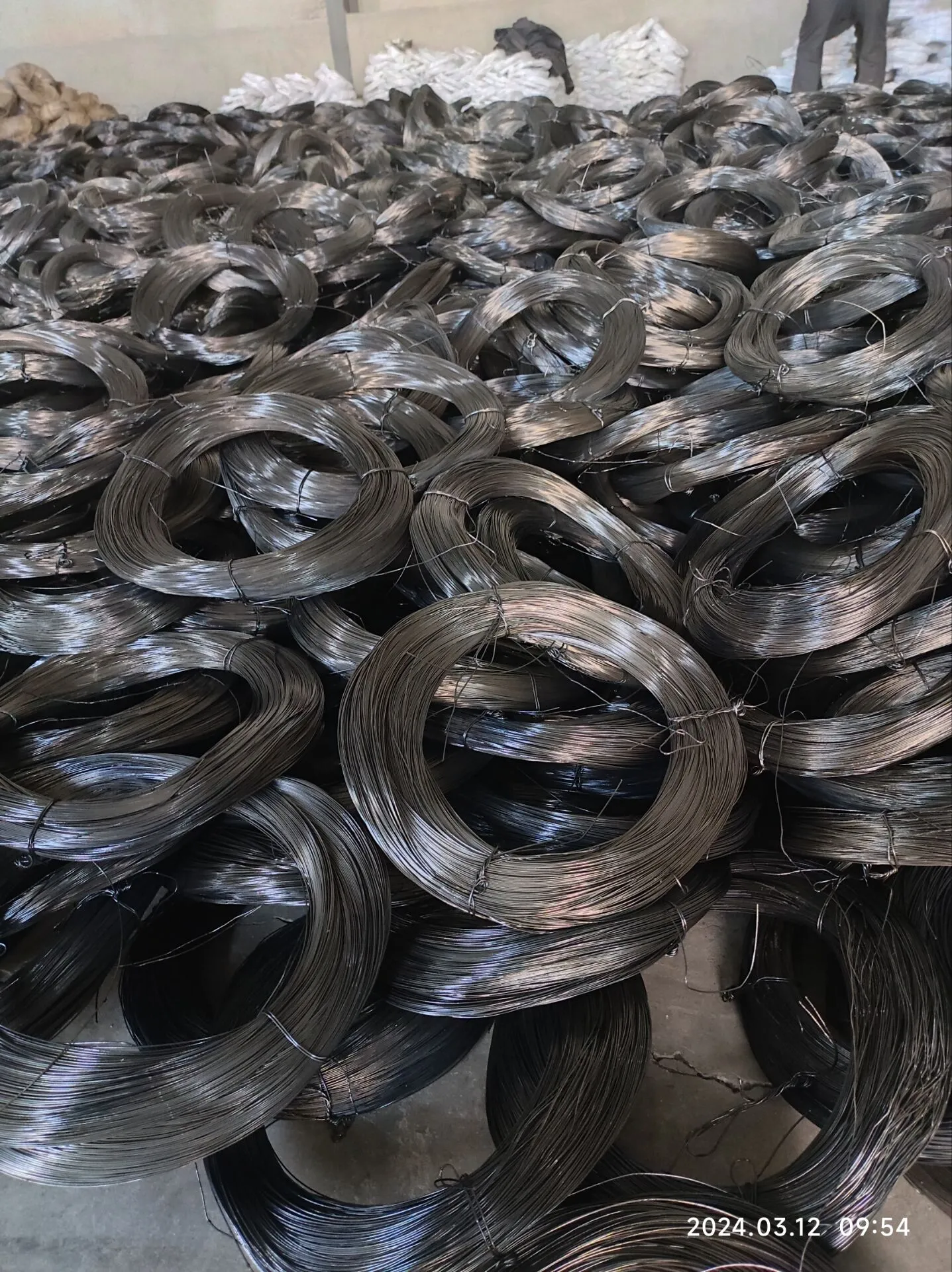
The manufacturing of 15-degree roofing nails typically begins with the selection of carbon steel wire, commonly SAE 1008 or similar grades, chosen for its balance of ductility and strength. The wire’s chemical composition is crucial, influencing its weldability and corrosion resistance. A typical composition includes carbon (0.08-0.12%), manganese (0.30-0.60%), phosphorus (0.040% max), and sulfur (0.050% max). Manufacturing proceeds through several stages: wire drawing to achieve the required diameter, followed by heading – a cold forming process that creates the nail head. The 15-degree shank angle is formed through a specialized die during the heading process, requiring precise tooling to maintain consistency. Critical parameters include die angle, feed rate, and lubrication to prevent galling and ensure accurate angle formation. Subsequent surface treatment typically involves galvanization – either hot-dip galvanization for a thicker, more durable coating, or electrogalvanization for a smoother, more aesthetically pleasing finish. The zinc coating protects against corrosion by providing a sacrificial layer. Polymer coatings, such as epoxy or acrylic, are sometimes applied over the galvanization to enhance corrosion resistance and provide color-matching capabilities. Quality control throughout the process involves dimensional checks, hardness testing, and coating thickness measurements to ensure adherence to industry standards.
Performance & Engineering
The performance of 15-degree roofing nails is fundamentally governed by principles of shear and tensile strength. Shear strength, the resistance to forces acting parallel to the shank, is paramount in resisting wind uplift. Tensile strength, the resistance to forces acting along the shank, contributes to overall holding power. Engineering analysis focuses on determining the minimum required nail strength based on anticipated wind loads, roof pitch, and shingle weight. Wind uplift forces are calculated using ASCE 7, Minimum Design Loads and Associated Criteria for Buildings and Other Structures, which provides guidelines for determining wind speeds and pressure coefficients based on geographic location and building characteristics. Corrosion resistance is also a critical performance parameter. Exposure to moisture, UV radiation, and atmospheric pollutants can lead to corrosion, reducing nail strength and ultimately causing shingle failure. Galvanization and polymer coatings mitigate corrosion by creating a barrier between the steel and the environment. Compliance with ASTM D173, Standard Specification for Galvanized Steel Products, is essential. Furthermore, nail penetration depth is critical. Insufficient penetration reduces holding power, while excessive penetration can damage the underlying decking. Proper nail gun settings and operator technique are vital to achieve optimal penetration depth, typically specified as a minimum of ¾ inch into the wood decking.
Technical Specifications
| Nail Length (inches) | Nail Gauge (AWG) | Shank Diameter (inches) | Head Diameter (inches) |
|---|---|---|---|
| 1.25 | 8 | 0.113 | 0.375 |
| 1.50 | 8 | 0.113 | 0.375 |
| 1.75 | 8 | 0.113 | 0.375 |
| 2.00 | 8 | 0.113 | 0.375 |
| 2.50 | 8 | 0.113 | 0.375 |
| 3.00 | 8 | 0.113 | 0.375 |
Failure Mode & Maintenance
15-degree roofing nails are susceptible to several failure modes. Corrosion is a primary concern, leading to weakening of the shank and eventual fracture. This is accelerated in coastal environments or areas with high levels of atmospheric pollutants. Fatigue cracking can occur due to cyclical loading from wind gusts and thermal expansion/contraction. This is particularly prevalent in areas with extreme temperature fluctuations. Shear failure, where the nail head snaps off or the shank bends, occurs when wind uplift forces exceed the nail's shear strength. Delamination of the zinc coating, often caused by improper galvanization or exposure to corrosive substances, reduces corrosion resistance. Oxidation, a slower process, gradually weakens the steel over time. Maintenance typically involves periodic visual inspection of the roof surface for signs of nail corrosion, missing nails, or shingle lift. Preventative maintenance includes ensuring proper ventilation in the attic to reduce moisture buildup, which accelerates corrosion. Replacing corroded or damaged nails is crucial to prevent further deterioration of the roofing system. Using nails with enhanced corrosion protection, such as those with stainless steel or polymer coatings, can extend the lifespan of the roof.
Industry FAQ
Q: What is the impact of nail gauge on holding power?
A: Nail gauge, measured in AWG (American Wire Gauge), directly correlates with tensile and shear strength. Lower gauge numbers indicate thicker nails with greater strength. While thicker nails provide increased holding power, exceeding the optimal gauge for a specific shingle type can cause splitting of the shingle or decking, reducing overall system integrity. The appropriate gauge is dictated by shingle manufacturer specifications and local building codes.
Q: How does the type of galvanization affect corrosion resistance?
A: Hot-dip galvanization provides a thicker zinc coating than electrogalvanization, resulting in superior corrosion resistance, particularly in harsh environments. However, hot-dip galvanization can result in a less uniform and potentially rougher surface finish. Electrogalvanization offers a smoother finish but provides a thinner coating, making it less durable in highly corrosive conditions. The choice depends on the anticipated exposure level and aesthetic requirements.
Q: What are the consequences of overdriving roofing nails?
A: Overdriving nails damages the shingle’s sealant strip, compromising its waterproof barrier and increasing the risk of water infiltration. It also reduces the nail’s holding power by compressing the wood fibers and potentially causing the nail head to cut into the shingle, weakening its grip. Proper nail gun depth control is critical to avoid overdriving.
Q: How important is proper nail gun pressure when installing roofing nails?
A: Proper nail gun pressure is crucial for consistent and accurate nail penetration. Too little pressure results in incomplete penetration, reducing holding power. Too much pressure leads to overdriving. The correct pressure setting varies depending on the nail gun model, shingle type, and decking material. Calibration and regular testing are essential.
Q: What is the significance of the 15-degree shank angle?
A: The 15-degree shank angle is specifically designed to improve penetration and withdrawal resistance in roofing applications. It helps to draw the shingle tightly against the underlayment and decking, creating a more secure and waterproof seal. The angle also increases the nail's surface area in contact with the wood, enhancing its holding power compared to a straight shank nail.
Conclusion
15-degree roofing nails are integral to the performance and longevity of asphalt shingle roofing systems. Their effectiveness hinges on a complex interplay of material science, precise manufacturing processes, and meticulous installation techniques. The selection of appropriate nail gauge, coating type, and length, coupled with adherence to industry standards and best practices, are essential to mitigate failure modes such as corrosion, fatigue cracking, and shear failure.
Future developments will likely focus on enhanced corrosion-resistant coatings, potentially incorporating nanotechnology to create more durable and self-healing protective layers. Furthermore, advancements in nail gun technology, featuring automated depth control and pressure regulation, will contribute to more consistent and reliable installations. Ensuring quality control throughout the manufacturing process and providing comprehensive training for roofing installers will remain paramount to maintaining the integrity and performance of roofing systems.