



Introduction
15-degree stainless steel coil siding nails are a specialized fastening solution employed in the installation of steel and aluminum siding, primarily utilizing coil nailers for speed and efficiency. These nails represent a critical component in building envelope construction, demanding a high degree of corrosion resistance, shear strength, and consistent performance. Unlike conventional fasteners, these nails are specifically designed for use with coil nailers, delivering a precisely angled shank for optimal holding power in siding materials. The stainless steel composition addresses the inherent corrosion risks associated with dissimilar metal contact and environmental exposure, particularly in coastal regions or areas with high humidity. Their performance is crucial for long-term weatherproofing and structural integrity of building exteriors. This guide provides an in-depth examination of the material science, manufacturing processes, performance characteristics, potential failure modes, and relevant industry standards associated with 15-degree stainless steel coil siding nails.
Material Science & Manufacturing
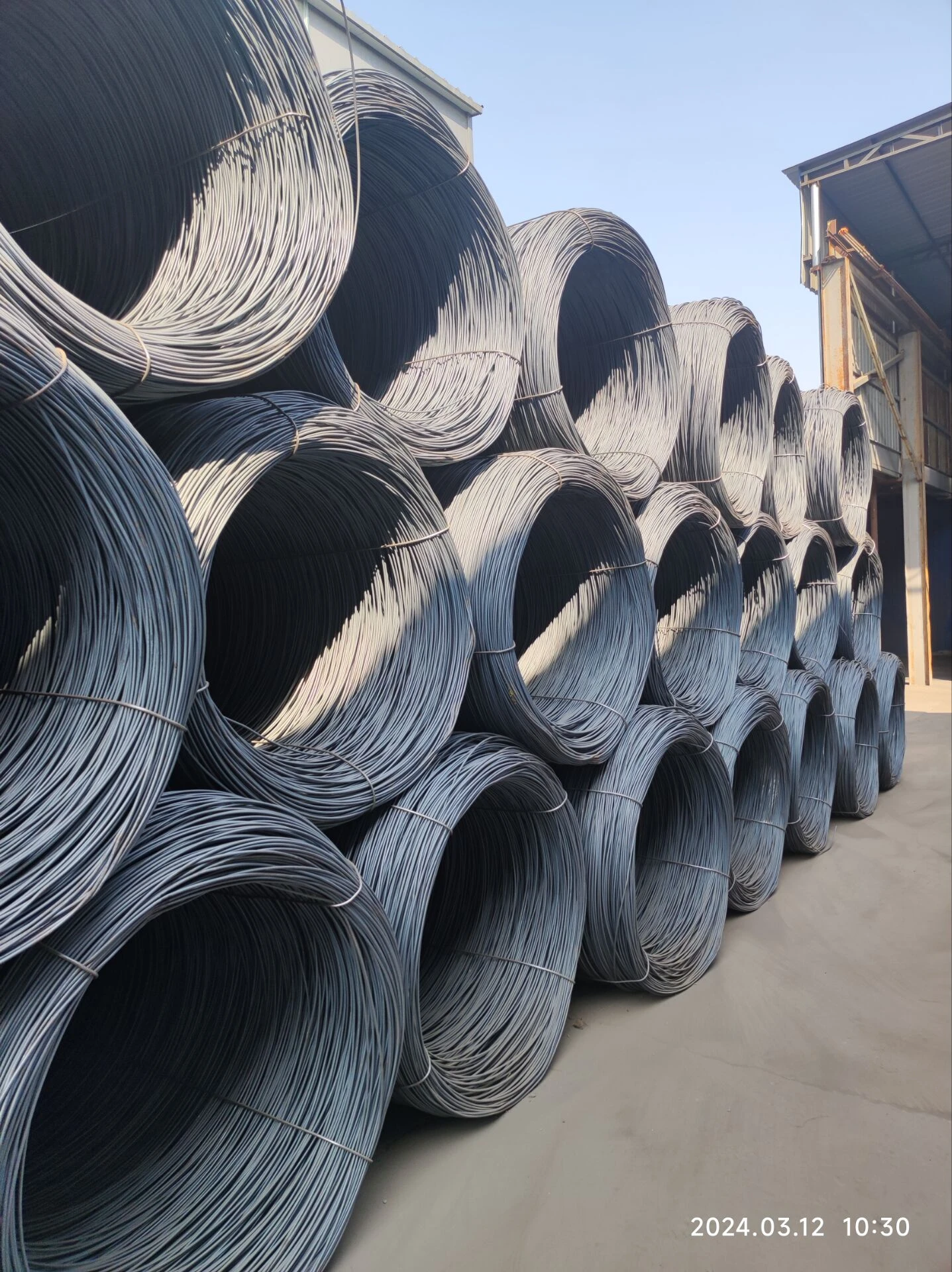
The core material for these nails is typically Type 304 or Type 316 stainless steel, selected for their superior corrosion resistance. Type 304, containing 18-8 chromium and nickel, provides excellent protection against atmospheric corrosion and oxidation. Type 316, incorporating molybdenum, offers even greater resistance, particularly to chloride-induced pitting corrosion, making it ideal for coastal applications. Raw material sourcing is critical; mill certifications verifying chemical composition (ASTM A240) are standard. Manufacturing begins with stainless steel wire rod, which undergoes cold heading to form the nail shank. This process work-hardens the material, increasing its tensile strength. The nail head is formed through a subsequent upsetting process, carefully controlled to ensure consistent dimensions and a secure hold for the coil nailer’s driving mechanism. The 15-degree shank angle is precision-formed using specialized dies during the heading process. Critical parameters include die alignment, heading speed, and lubrication to prevent galling and ensure dimensional accuracy. Surface finish is also important; a smooth, consistent finish minimizes friction during nailing and enhances corrosion resistance. Heat treatment, though less common, may be employed to further enhance mechanical properties. Quality control checks throughout the manufacturing process involve dimensional inspections, hardness testing (Rockwell C scale), and corrosion resistance testing (salt spray testing – ASTM B117). The shank is often coated with a polymer film to aid in coil feeding and prevent rust formation during storage. Consistent material quality and precise manufacturing are paramount to ensure reliable performance in demanding exterior applications.
Performance & Engineering
The performance of 15-degree stainless steel coil siding nails is governed by several key engineering principles. Shear strength is paramount, as the nails must resist lateral forces imposed by wind loads and thermal expansion/contraction of the siding. Pull-out resistance, determined by the shank diameter, length, and the interaction with the siding material and substrate, is also crucial. Force analysis considers the impact forces generated by the coil nailer and the resulting stresses within the nail and surrounding materials. The 15-degree angle is specifically engineered to provide optimal penetration and holding power in the siding, minimizing the risk of bending or buckling during installation. Environmental resistance is a significant factor. Stainless steel's passivation layer, formed through chromium oxidation, provides excellent corrosion protection, but this layer can be compromised by chloride exposure or abrasion. Galvanic corrosion, occurring when dissimilar metals (e.g., steel siding and aluminum substrate) are in contact, must be mitigated through proper material selection and, in some cases, the use of isolating coatings. Compliance requirements vary by region and application. Building codes (IBC, IRC) specify nail spacing and fastening patterns based on wind load calculations and siding material specifications. Manufacturers typically provide engineered data supporting their nail’s performance, including shear strength, pull-out resistance, and corrosion resistance ratings. Consideration must also be given to the compatibility of the nail with the coil nailer, ensuring proper feeding and consistent driving depth.
Technical Specifications
| Nail Diameter (inches) | Nail Length (inches) | Shank Angle (degrees) | Tensile Strength (PSI) |
|---|---|---|---|
| 0.090 | 1.25 | 15 | 120,000 |
| 0.090 | 1.50 | 15 | 130,000 |
| 0.090 | 1.75 | 15 | 140,000 |
| 0.090 | 2.00 | 15 | 150,000 |
| 0.113 | 1.50 | 15 | 160,000 |
| 0.113 | 1.75 | 15 | 170,000 |
Failure Mode & Maintenance
Common failure modes for 15-degree stainless steel coil siding nails include corrosion-induced failure, shear failure, and pull-out failure. Corrosion, particularly pitting corrosion in chloride-rich environments, can weaken the nail shank, reducing its load-bearing capacity. Shear failure occurs when the nail is subjected to excessive lateral forces, exceeding its shear strength. Pull-out failure results from insufficient engagement with the substrate, often due to improper nail length or insufficient driving depth. Fatigue cracking can also occur due to cyclical loading from wind gusts or thermal expansion/contraction. Delamination of the siding material around the nail head can indicate improper installation or substrate preparation. Oxidation, while slowed by the stainless steel composition, can still occur over extended periods, particularly in areas with poor ventilation. Maintenance typically focuses on periodic inspection for signs of corrosion or loose nails. Early detection of corrosion is critical; localized corrosion can be addressed by replacing affected nails. Proper sealing around nail penetrations can help prevent moisture ingress and mitigate corrosion risks. Regularly checking the nail’s integrity after severe weather events is recommended. If significant corrosion or failure is observed, a comprehensive assessment of the siding installation may be necessary to identify the root cause and implement preventative measures. Preventative maintenance also includes ensuring proper ventilation behind the siding to reduce moisture buildup.
Industry FAQ
Q: What is the difference between Type 304 and Type 316 stainless steel for siding nails?
A: Type 304 stainless steel provides excellent general corrosion resistance and is suitable for most inland applications. Type 316, with the addition of molybdenum, offers superior resistance to chloride corrosion, making it the preferred choice for coastal environments or areas exposed to de-icing salts. The increased cost of Type 316 is justified in environments where chloride-induced pitting corrosion is a significant concern.
Q: How does nail spacing affect the performance of siding?
A: Nail spacing is dictated by building code requirements and siding manufacturer’s specifications, based on wind load calculations. Insufficient nail spacing can lead to siding detachment during high wind events. Proper nail spacing ensures adequate load distribution and prevents localized stress concentrations.
Q: What causes galvanic corrosion with stainless steel siding nails?
A: Galvanic corrosion occurs when dissimilar metals are in contact in the presence of an electrolyte (moisture). If stainless steel nails are used with aluminum siding and a conductive substrate, a galvanic cell can form, leading to corrosion of the less noble metal (typically the aluminum). Using isolating coatings or compatible metal combinations can mitigate this risk.
Q: What is the importance of the 15-degree shank angle?
A: The 15-degree shank angle is specifically designed to maximize holding power in siding materials. It provides optimal penetration and resistance to pull-out forces. Using nails with incorrect angles can significantly reduce their performance and compromise the siding installation.
Q: How can I determine if a siding nail has failed due to corrosion?
A: Visual inspection is the first step. Look for signs of rust, pitting, or discoloration on the nail head or shank. If the nail is loose or easily removed, it may have been weakened by corrosion. A more thorough assessment may involve destructive testing to measure the remaining cross-sectional area of the nail shank.
Conclusion
15-degree stainless steel coil siding nails are a critical fastening component in modern building construction, demanding careful consideration of material science, manufacturing precision, and performance characteristics. The selection of appropriate stainless steel alloys, coupled with rigorous quality control during manufacturing, ensures reliable corrosion resistance and structural integrity. Understanding the potential failure modes—corrosion, shear, and pull-out—and implementing preventative maintenance strategies are essential for maximizing the longevity and performance of siding installations.
Ultimately, the successful application of these nails hinges on adherence to industry standards, proper installation techniques, and a comprehensive understanding of the environmental factors influencing long-term performance. Continued advancements in stainless steel alloys and coating technologies will further enhance the durability and reliability of these essential fasteners, contributing to the development of more resilient and sustainable building envelopes.