



Introduction
15mm concrete nails are essential fastening elements in the construction industry, specifically designed for securing materials to concrete, brick, and other masonry substrates. These nails, typically manufactured from hardened steel, represent a critical component in structural applications ranging from formwork construction and framing to the installation of cladding and insulation. Their 15mm length offers a balance between sufficient penetration for adequate holding power and minimizing unnecessary material usage. The technical position of concrete nails resides within the broader fastening technology sector, acting as a direct alternative to concrete screws and expansion anchors in certain applications. Core performance characteristics include shear strength, tensile strength, and resistance to withdrawal, all of which directly impact the structural integrity of the assembled components. A key industry pain point lies in ensuring consistent nail performance across varying concrete densities and compositions, demanding stringent quality control during manufacturing and careful selection for specific project requirements. Understanding the nuances of concrete nail performance is crucial for engineers and construction professionals to guarantee the safety and longevity of structures.
Material Science & Manufacturing
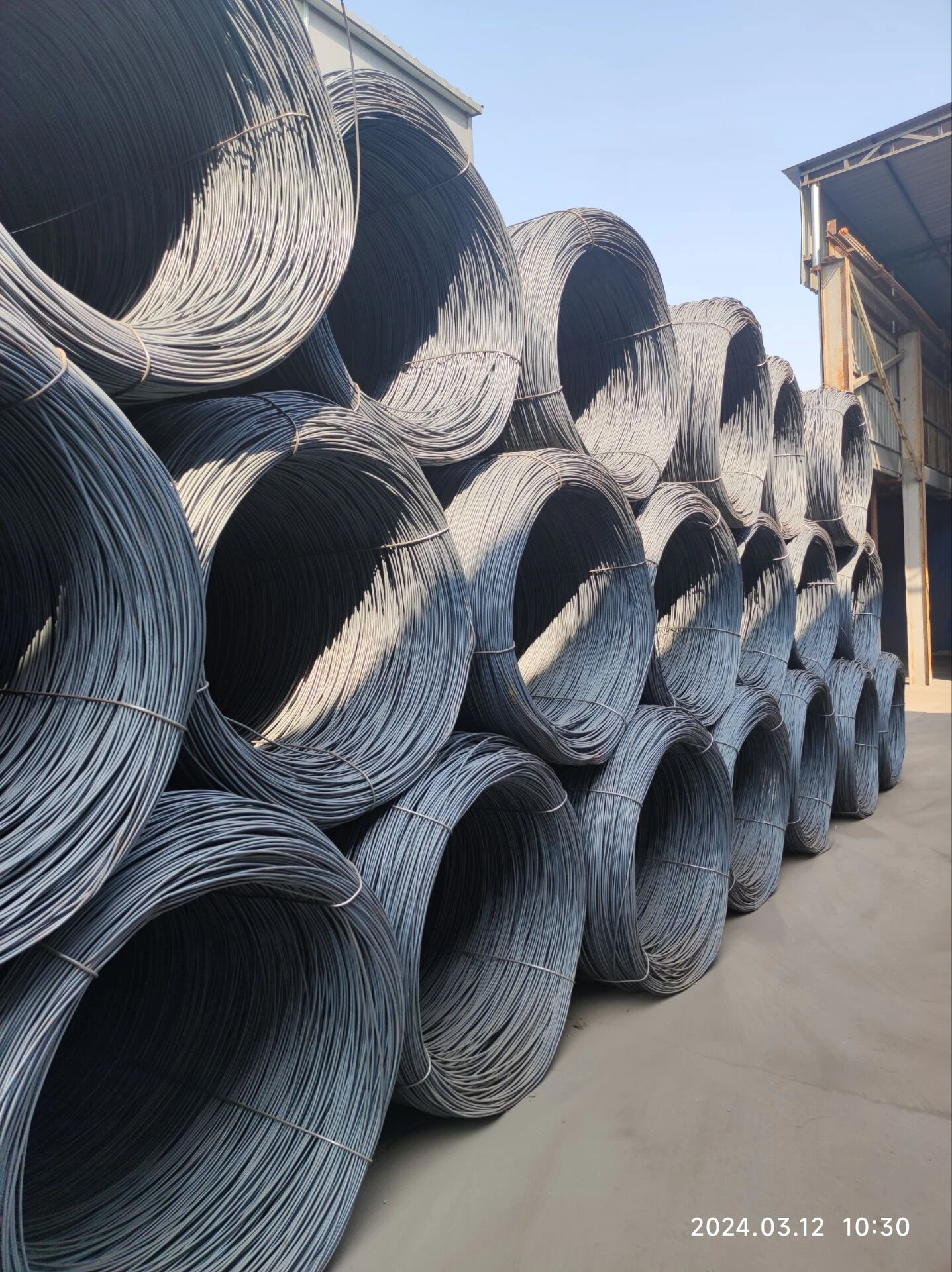
The primary material for 15mm concrete nails is typically high-carbon steel, often conforming to standards such as AISI 1045 or similar alloys. These steels offer a balance of hardness, tensile strength, and ductility necessary to withstand the impact forces during installation and the subsequent stresses in service. Raw material properties significantly influence nail performance; carbon content directly impacts hardness and strength, while manganese and chromium additions enhance toughness and corrosion resistance. Manufacturing begins with wire drawing, reducing the diameter of steel rods to the required nail gauge. This is followed by heading, where the wire is formed into the nail head using a heading machine. Precise die design and control of heading pressure are critical to achieving consistent head dimensions and ensuring sufficient material flow. Subsequent hardening and tempering processes are essential. Hardening, typically through induction heating followed by quenching in oil, increases the steel's hardness. Tempering then reduces brittleness, improving toughness and preventing premature failure. Surface treatment, such as galvanization (zinc coating) or epoxy coating, is crucial for corrosion protection. Galvanization provides a sacrificial layer, preventing rust formation, while epoxy coatings offer superior chemical resistance. Key parameter control during manufacturing includes wire diameter tolerances, head dimensions, hardening temperature, tempering time, and coating thickness. Deviation from these parameters can significantly compromise nail performance.
Performance & Engineering
The performance of 15mm concrete nails is fundamentally governed by principles of material mechanics and concrete adhesion. Upon impact, the nail induces compressive stresses in the surrounding concrete, creating a localized zone of confinement. Holding power relies on a combination of friction between the nail shaft and the concrete, and mechanical interlock as the nail displaces concrete material. Shear strength is a critical parameter, representing the nail’s resistance to lateral forces. This is dependent on nail diameter, length, and the compressive strength of the concrete. Tensile strength, or withdrawal resistance, is equally important, especially in applications subject to pull-out forces. This is influenced by the nail’s shank design (smooth vs. ring shank) and the concrete’s tensile strength. Environmental resistance, particularly to corrosion, is paramount for long-term durability. Chloride exposure (in coastal environments) and freeze-thaw cycles can accelerate corrosion, reducing nail strength and leading to failure. Compliance requirements, outlined in standards like ICC-ES AC31, dictate minimum performance criteria for concrete nails used in structural applications. These standards specify testing procedures for shear strength, withdrawal resistance, and durability. Force analysis during installation necessitates consideration of impact energy, nail velocity, and concrete density. Insufficient impact energy can result in incomplete penetration, while excessive impact energy can damage the concrete. Proper nail gun selection and pressure settings are therefore crucial for optimal performance.
Technical Specifications
| Parameter | Unit | Typical Value (Hardened Steel) | Typical Value (Galvanized Steel) |
|---|---|---|---|
| Nail Length | mm | 15 | 15 |
| Nail Diameter | mm | 2.1 – 2.5 | 2.1 – 2.5 |
| Steel Grade | - | AISI 1045 | AISI 1045 |
| Shear Strength (Concrete) | N | 800 – 1200 | 700 – 1000 |
| Withdrawal Resistance (Concrete) | N | 400 – 600 | 300 – 500 |
| Zinc Coating Thickness (Galvanized) | µm | - | 25 – 50 |
Failure Mode & Maintenance
Failure of 15mm concrete nails typically manifests in several modes. Fatigue cracking can occur under cyclic loading, initiating at stress concentrations around the nail head or shank. This is particularly relevant in applications subject to vibration or repeated impact. Shear failure involves the nail shearing off within the concrete, typically due to excessive lateral loads. Withdrawal failure occurs when the nail loses its grip on the concrete, resulting in pull-out. This is often exacerbated by low concrete density or improper nail installation. Corrosion is a significant long-term failure mechanism, especially in harsh environments. Rust weakens the nail, reducing its cross-sectional area and ultimately leading to failure. Degradation of the coating (e.g., galvanization) accelerates corrosion. Oxidation can occur even with coated nails if the coating is damaged. Maintenance is largely preventative. Regularly inspecting structures for signs of corrosion or nail movement is crucial. If corrosion is detected, replacing affected nails is recommended. Avoiding overdriving nails, which can damage the surrounding concrete and reduce holding power, is also important. Ensuring proper storage of nails in a dry environment prevents premature rusting. In areas prone to seismic activity, periodic inspection and replacement of nails may be necessary to maintain structural integrity.
Industry FAQ
Q: What is the impact of concrete compressive strength on the holding power of a 15mm concrete nail?
A: Higher concrete compressive strength generally correlates with increased holding power. The nail relies on friction and mechanical interlock with the concrete, both of which are enhanced by denser, stronger concrete. However, excessively high concrete strength can also increase the risk of cracking during nail installation, potentially reducing holding power. Therefore, a balanced approach is required, selecting nail sizes and installation techniques appropriate for the specific concrete strength.
Q: How does the shank design (smooth vs. ring shank) affect nail performance?
A: Ring shank nails provide significantly improved withdrawal resistance compared to smooth shank nails. The rings create a mechanical interlock with the concrete, increasing the force required to pull the nail out. Smooth shank nails rely primarily on friction, making them more susceptible to withdrawal, especially under tensile loads. Ring shank nails are generally preferred in applications where pull-out resistance is critical.
Q: What is the benefit of using galvanized concrete nails over non-coated nails?
A: Galvanization provides sacrificial corrosion protection. The zinc coating corrodes preferentially to the steel, preventing rust formation on the nail itself. This significantly extends the service life of the nail, particularly in corrosive environments. Non-coated nails are prone to rust, which weakens the nail and reduces its holding power over time.
Q: Can 15mm concrete nails be used in all types of concrete?
A: While generally suitable for standard concrete, their performance can be affected by the type of concrete. Lightweight concrete, for example, offers lower holding power due to its reduced density. Similarly, concrete containing high levels of chlorides or sulfates can accelerate corrosion. It's essential to consider the concrete composition and select nails with appropriate corrosion resistance for the specific application.
Q: What is the recommended nail gun pressure for optimal installation of 15mm concrete nails?
A: Recommended nail gun pressure varies depending on the nail gun model and the concrete density. Generally, a pressure range of 80-120 PSI is suitable. However, it's crucial to consult the nail gun manufacturer's recommendations and perform test installations to ensure proper penetration without damaging the concrete. Insufficient pressure can lead to incomplete penetration, while excessive pressure can cause concrete cracking.
Conclusion
15mm concrete nails are a vital fastening solution in construction, offering a cost-effective and reliable method for securing materials to masonry substrates. Their performance is fundamentally linked to material science – specifically the properties of the high-carbon steel utilized – and precise manufacturing controls encompassing wire drawing, heading, heat treatment, and surface coating. Understanding the interplay between nail characteristics, concrete properties, and environmental factors is paramount for ensuring structural integrity and long-term durability.
Looking ahead, ongoing research into advanced coating technologies and novel nail shank designs will continue to enhance the performance and longevity of concrete nails. Furthermore, increased emphasis on quality control and adherence to industry standards like ICC-ES AC31 will be crucial for maintaining the reliability of these essential fasteners. Proper selection, installation, and periodic inspection of concrete nails are key to minimizing failure risk and maximizing the safety and service life of constructed assets.