



Introduction
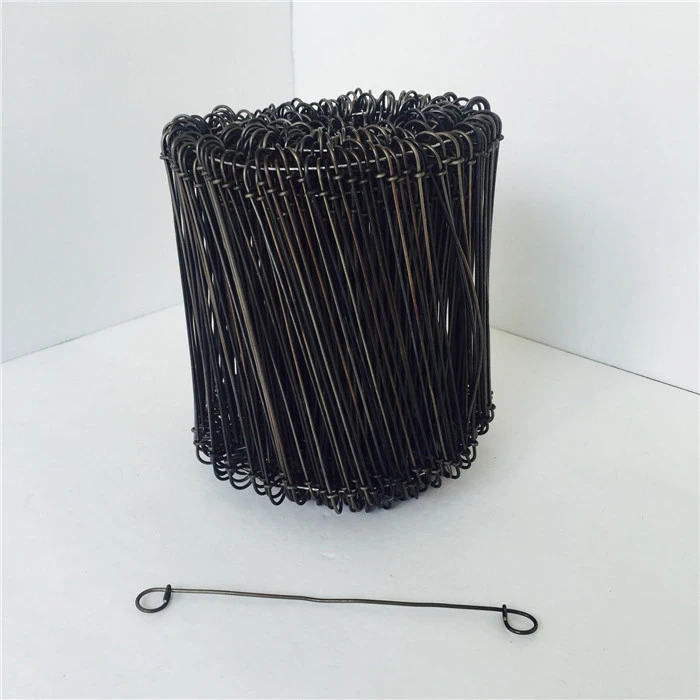
2 1 2 coil siding nails represent a fastening solution specifically engineered for the installation of siding materials, primarily vinyl, fiber cement, and engineered wood products. Positioned within the construction materials supply chain, these nails bridge the gap between siding manufacturers and building contractors. Unlike traditional smooth shank nails, coil nails are collated in a coil format for use with pneumatic nailers, significantly increasing installation speed and reducing labor costs. The core performance characteristics of these nails center around their holding power, corrosion resistance, and ability to consistently penetrate siding and underlying sheathing without causing material distortion or failure. Industry pain points addressed by optimized 2 1 2 coil siding nail design include issues with nail pull-through, head breakage during installation, and susceptibility to environmental degradation leading to premature failure of the siding system. Their consistent dimensions and optimized shank designs are critical to proper siding expansion and contraction cycles.
Material Science & Manufacturing
The dominant material in 2 1 2 coil siding nail construction is typically carbon steel, specifically SAE 1008 or similar low-carbon variants. This grade offers a balance of ductility and tensile strength necessary for efficient penetration and deformation without brittle fracture. A critical material property is the Rockwell hardness (typically C16-C22), dictating the nail's resistance to bending and wear. Manufacturing begins with wire drawing, reducing the steel diameter to the target nail shank gauge. Subsequent processes involve heading, forming the nail head, and collation. The collation process utilizes plastic or wire carriers to hold the nails in a continuous coil, enabling automatic feeding into pneumatic nailers. Coating is a vital step, commonly employing hot-dip galvanization or polymer coating (epoxy, polyester, or acrylic) to enhance corrosion resistance. Key parameter control during manufacturing includes head diameter consistency (affecting holding power), shank straightness (impacts drive accuracy), and coating thickness (influences corrosion protection). Precise control of the wire drawing process minimizes residual stress, preventing subsequent cracking.
Performance & Engineering
The performance of 2 1 2 coil siding nails is fundamentally governed by principles of force analysis and material mechanics. The nail's holding power is a function of shank diameter, length, and the interaction between the nail shank and the surrounding materials (siding, sheathing, and framing). Shear strength, tensile strength, and bending moment resistance are critical engineering parameters. Environmental resistance is paramount, particularly in coastal regions or areas with high humidity. Corrosion initiates at surface imperfections and along grain boundaries; therefore, coating quality is a primary determinant of service life. Compliance requirements stem from building codes (IBC, IRC) and industry standards pertaining to wind load resistance and structural integrity. Nail spacing and penetration depth are specified in these codes to ensure adequate resistance to uplift forces. The nail’s design must account for thermal expansion and contraction of the siding material to prevent buckling or distortion. Finite element analysis (FEA) is employed to optimize nail geometry and predict stress distribution under load, guiding design modifications to enhance performance.
Technical Specifications
| Nail Diameter (inches) | Nail Length (inches) | Shank Type | Coating Type |
|---|---|---|---|
| 0.092 | 2.0 | Smooth | Hot-Dip Galvanized |
| 0.092 | 2.5 | Ring Shank | Epoxy Coated |
| 0.103 | 2.0 | Screw Shank | Polyester Coated |
| 0.103 | 2.5 | Smooth | Hot-Dip Galvanized |
| 0.113 | 2.0 | Ring Shank | Acrylic Coated |
| 0.113 | 2.5 | Screw Shank | Hot-Dip Galvanized |
Failure Mode & Maintenance
Common failure modes for 2 1 2 coil siding nails include bending or breaking during installation (often due to insufficient nailer power or incorrect nailer settings), pull-through (insufficient penetration or shank design), corrosion leading to weakening and eventual failure (inadequate coating), and fatigue cracking caused by repeated wind loading and thermal cycling. Failure analysis often reveals that corrosion initiates at damaged coating areas. Pull-through failures are frequently associated with inadequate sheathing thickness or improper nail spacing. Maintenance, though limited, focuses on periodic inspection of siding installations for signs of loose or corroded nails. Early detection and replacement of failing nails are crucial to prevent widespread siding damage. Preventative measures include ensuring correct nailer settings, using nails appropriate for the siding material and local environmental conditions, and adhering to recommended nail spacing guidelines. In areas with severe corrosion risks, upgrading to stainless steel nails may be warranted, despite the increased cost. Proper storage of nail coils in a dry environment prevents premature corrosion before installation.
Industry FAQ
Q: What is the difference between ring shank and smooth shank nails for siding applications?
A: Ring shank nails offer superior holding power compared to smooth shank nails, particularly in applications where vibration or cyclical loading is present. The rings create a mechanical interlock with the wood fibers, resisting pull-through. Smooth shank nails are generally sufficient for less demanding applications, but ring shank are recommended for high-wind areas and fiber cement siding.
Q: How does the coating type affect the longevity of the nails?
A: Coating type significantly impacts corrosion resistance. Hot-dip galvanization provides a robust sacrificial barrier, protecting the steel substrate even if the coating is slightly damaged. Epoxy and polyester coatings offer good all-around protection, while acrylic coatings provide a more economical option with moderate corrosion resistance. Polymer coatings are susceptible to UV degradation.
Q: What is the recommended nail spacing for vinyl siding?
A: Recommended nail spacing for vinyl siding typically ranges from 12 to 16 inches on center, depending on the siding profile and wind load requirements. Consult the siding manufacturer’s installation instructions for specific recommendations.
Q: What impact does nailer pressure have on the quality of the installation?
A: Insufficient nailer pressure can result in incomplete penetration, leading to reduced holding power and potential siding failure. Excessive pressure can cause nail head breakage or damage to the siding material. Proper nailer pressure settings should be determined based on the siding material, nail type, and nailer specifications.
Q: What are the implications of using an incorrect nail length?
A: Using a nail that is too short results in insufficient penetration into the framing, compromising holding power. A nail that is too long can protrude through the interior wall, creating a safety hazard and potentially damaging interior finishes. Adhering to the recommended nail length is critical for a secure and durable installation.
Conclusion
The selection and proper application of 2 1 2 coil siding nails are fundamental to the long-term performance and structural integrity of siding installations. Understanding the interplay between material science, manufacturing processes, and engineering principles is crucial for mitigating common failure modes and ensuring compliance with building codes. The consistent dimensional accuracy, optimized shank designs, and appropriate corrosion resistance of these nails are paramount for accommodating siding material expansion/contraction and withstanding environmental stressors.
Future advancements in coil siding nail technology will likely focus on developing enhanced coating materials with improved corrosion protection, optimizing nail geometries for increased holding power, and incorporating smart features for automated installation monitoring. A shift towards more sustainable materials in nail production and a greater emphasis on lifecycle assessment will also shape the future of this critical fastening component in the construction industry.