



Introduction
2 3/8 ring shank coil nails are a critical fastening solution widely utilized in the construction and woodworking industries. These nails are characterized by their length (2 3/8 inches), ring shank design, and collation into a coil for use in pneumatic nailers. Their primary function is to provide secure and rapid fastening of various wood materials in applications like framing, sheathing, roofing, and pallet construction. The ring shank, as opposed to a smooth shank, dramatically increases withdrawal resistance. Their prevalence stems from a balance of cost-effectiveness, installation speed, and structural integrity. A key performance indicator is holding power, directly related to shank design and material composition. Failure to select the correct nail for the application, or improper use of the nailer, can lead to structural deficiencies and potential safety hazards. This guide provides a comprehensive technical overview of 2 3/8 ring shank coil nails, covering material science, manufacturing, performance characteristics, failure modes, and relevant industry standards.
Material Science & Manufacturing
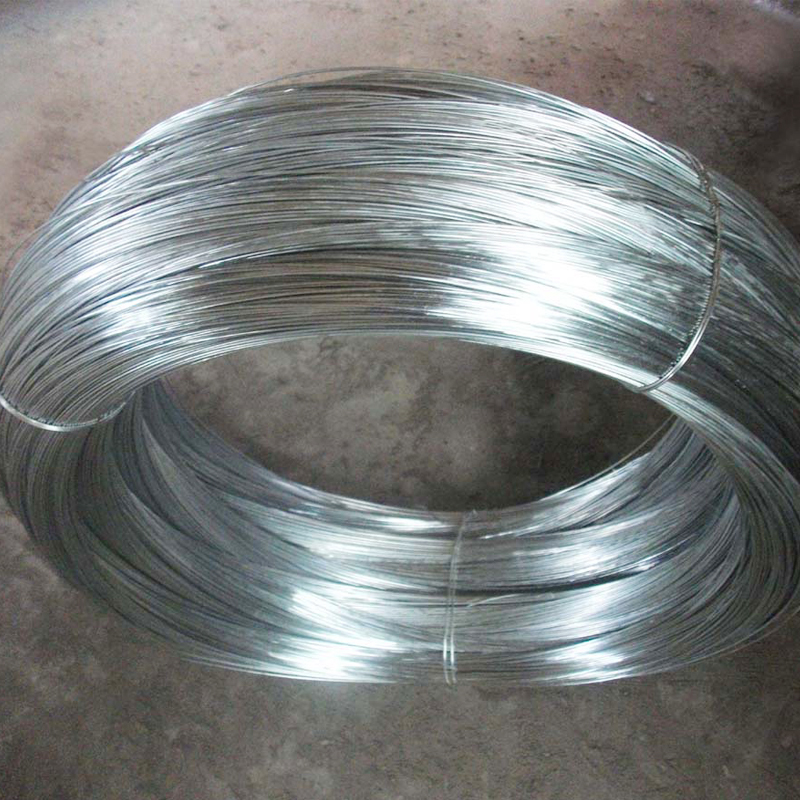
The predominant material for 2 3/8 ring shank coil nails is carbon steel, specifically SAE 1008 or similar low-carbon steel grades. These steels offer a balance of ductility, formability, and cost. The steel wire undergoes a cold heading process to form the nail head and shank. Crucially, the ring shank is created through a specialized coiling or knurling process, imparting the characteristic rings along the shank's length. This coiling increases the surface area, creating mechanical interlocking with the wood fibers, drastically improving pull-through resistance. Surface treatments are critical; galvanized coatings (zinc plating, typically electrolytic or hot-dip galvanized) provide corrosion resistance, essential for exterior applications. Polymer coatings (e.g., epoxy, acrylic) are sometimes applied over the zinc for enhanced protection and aesthetic considerations. Manufacturing tolerances are tightly controlled, particularly regarding wire diameter, head diameter, and ring shank dimensions. These tolerances affect nailer feed consistency and drive quality. Quality control involves hardness testing (Rockwell C scale), coating thickness measurement, and visual inspection for defects like bent shanks or incomplete galvanization. The wire drawing process, a precursor to nail formation, influences the steel's grain structure and mechanical properties. Optimized annealing processes between drawing stages are vital for maintaining ductility and preventing cracking during cold heading.
Performance & Engineering
The performance of 2 3/8 ring shank coil nails is largely governed by their holding power, which is a function of shear strength, tensile strength, and withdrawal resistance. Shear strength is the nail’s ability to resist forces acting parallel to the wood surface, vital in resisting racking loads. Tensile strength is its resistance to being pulled directly out of the wood, whereas withdrawal resistance – greatly enhanced by the ring shank – prevents the nail from backing out under cyclical loading. Engineering calculations consider the nail’s diameter, length, and the wood’s species and density. Wood density directly influences the friction between the nail shank and the wood fibers. Nail angle during driving is another critical parameter; deviations from optimal angles reduce holding power. Environmental factors such as moisture content and temperature fluctuations affect wood's dimensional stability and nail performance. Corrosion can significantly reduce the nail’s cross-sectional area over time, diminishing its holding capacity. Fatigue failure, resulting from repeated cyclical loading, is a potential concern in structural applications subject to vibrations or wind loads. Compliance requirements, dictated by building codes (e.g., IBC in the US), specify nail patterns, spacing, and acceptable wood species for different structural applications. The nailer's driving force and depth control settings must be calibrated to optimize performance and prevent damage to the wood.
Technical Specifications
| Parameter | Typical Value (Units) | Testing Standard | Acceptable Variation |
|---|---|---|---|
| Nail Length | 2.375 inches (60.325 mm) | ASTM F1667 | +/- 0.015 inches |
| Shank Diameter | 0.099 inches (2.515 mm) | ASTM F1667 | +/- 0.002 inches |
| Head Diameter | 0.25 inches (6.35 mm) | ASTM F1667 | +/- 0.005 inches |
| Coating Type | Hot-Dip Galvanized | ASTM B695 Class 50 | Zinc coating thickness: 0.00055 inches min |
| Shear Strength (Pine) | 180 lbs (800 N) | ASTM F1667 | Minimum Value |
| Withdrawal Resistance (Pine) | 80 lbs (356 N) | ASTM F1667 | Minimum Value |
Failure Mode & Maintenance
Common failure modes for 2 3/8 ring shank coil nails include bending during driving (often due to insufficient nailer power or hitting knots), shank breakage (associated with brittle steel or excessive driving force), head separation (resulting from material defects or overdriving), and corrosion-induced weakening. Withdrawal failure, despite the ring shank, can occur under excessive tensile loading or in highly degraded wood. Galvanic corrosion can occur when the nail is in contact with dissimilar metals, accelerating corrosion. Preventative maintenance focuses on proper nailer operation – regular cleaning, lubrication, and adjustment of driving depth. Inspecting the nailer's driver blade for wear and replacing it when necessary is crucial. Proper storage of nails is essential; storing in a dry environment prevents rust formation. For exterior applications, selecting nails with a heavier galvanization coating or polymer overwrap is recommended. Periodic inspections of fastened structures can identify signs of nail failure (e.g., loose nails, corrosion) allowing for timely repairs. When replacing failed nails, ensure the new nails meet the same or higher performance specifications. Consider using stainless steel nails in highly corrosive environments, although at a higher cost. Fatigue cracking can be mitigated by avoiding cyclical loading where possible and selecting appropriate nail patterns to distribute loads.
Industry FAQ
Q: What is the difference between ring shank and smooth shank coil nails in terms of holding power?
A: Ring shank nails offer significantly higher withdrawal resistance compared to smooth shank nails. The rings create a mechanical interlock with the wood fibers, requiring more force to pull the nail out. Smooth shank nails rely solely on friction, making them more susceptible to loosening under load or cyclical movement. For applications demanding high holding power, ring shank nails are generally preferred.
Q: How does the wood species affect the performance of these nails?
A: Wood density is a primary factor. Harder, denser woods (e.g., oak, maple) provide greater holding power than softer woods (e.g., pine, fir). The nail’s ability to penetrate and grip the wood fibers is directly related to the wood’s density. Different wood species also have varying levels of natural oils and resins, which can affect corrosion rates.
Q: What is the significance of the galvanization coating thickness?
A: Galvanization coating thickness directly correlates to the nail's corrosion resistance. Thicker coatings provide longer-lasting protection against rust and degradation, particularly in harsh environments. The ASTM B695 standard defines different classes of galvanization based on coating thickness (e.g., Class 50, Class 60).
Q: What are the common causes of nail bending during driving?
A: Nail bending can occur due to several factors: insufficient nailer power, a dull or damaged driver blade, hitting a knot or obstruction in the wood, or using the wrong nail type for the application. Ensuring the nailer is properly maintained and using appropriate nailer settings are critical for preventing bending.
Q: Are there any specific building code requirements regarding the use of these nails?
A: Yes, building codes (e.g., IBC) specify nail schedules, patterns, and spacing based on the structural application. These requirements ensure that the fastening system provides adequate load capacity and structural integrity. Compliance with local building codes is mandatory for all construction projects.
Conclusion
2 3/8 ring shank coil nails represent a robust and efficient fastening solution for a wide range of construction and woodworking applications. Their performance is intrinsically linked to material selection, manufacturing precision, and adherence to industry standards. The ring shank design provides superior withdrawal resistance, making them ideal for applications where holding power is paramount. Understanding the potential failure modes and implementing appropriate maintenance practices is crucial for ensuring long-term structural integrity.
Future developments in nail technology may focus on advanced coating materials offering enhanced corrosion resistance and the incorporation of sensors for real-time monitoring of nail stress and potential failure. Continued refinement of manufacturing processes will aim to improve nail consistency and reduce defects. Ultimately, selecting the correct nail for the specific application, coupled with proper installation techniques, remains the cornerstone of a successful and durable fastening system.