



Introduction
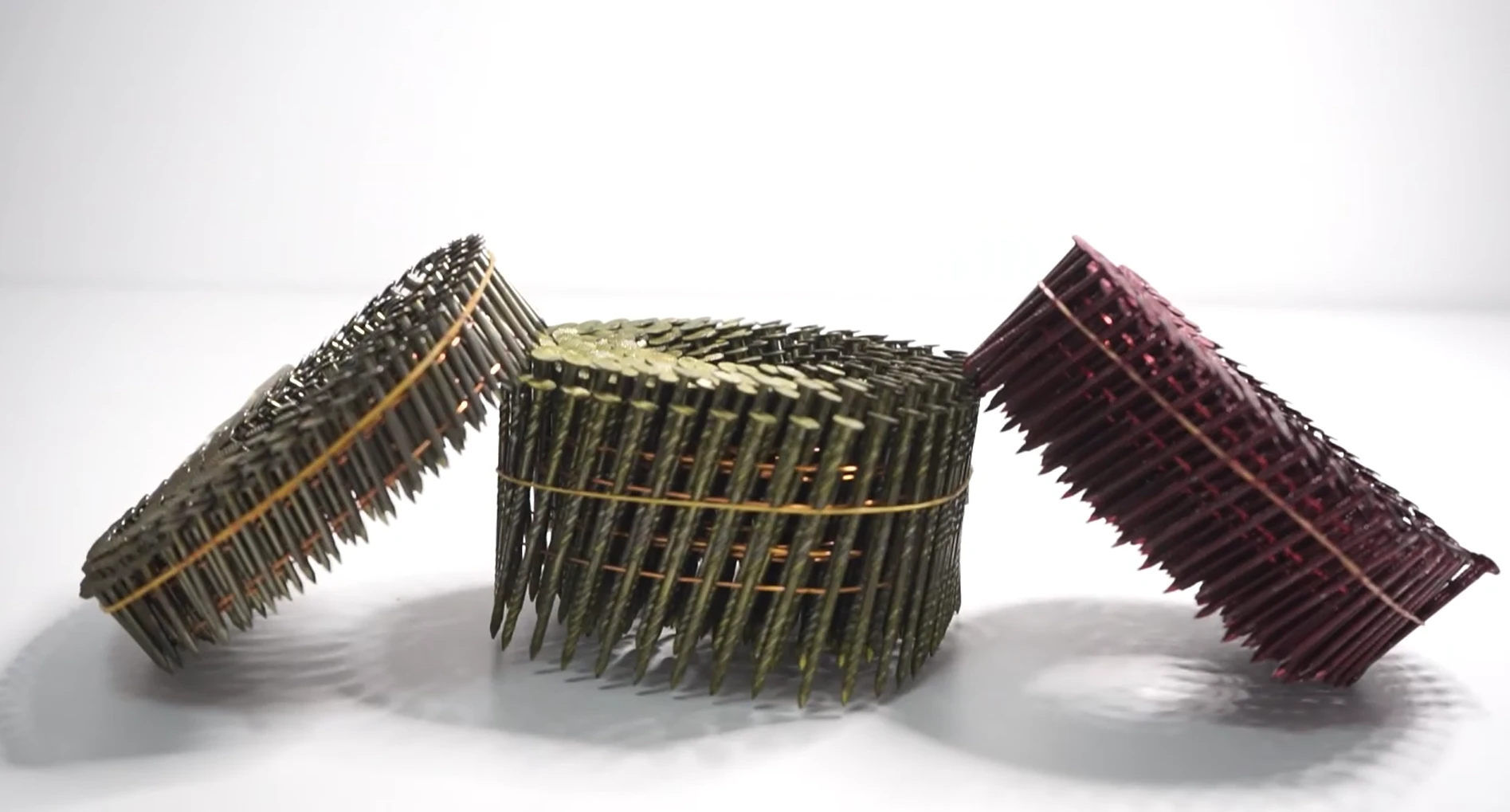
2 coil siding nails represent a critical fastening solution within the building envelope, specifically for the installation of siding materials like vinyl, fiber cement, and engineered wood. Unlike traditional nail types, coil nails are fed in a continuous strip from a coil, facilitating rapid and efficient installation using specialized nail guns. Their design incorporates a collated shank and head, enabling automated feeding and consistent driving depth. The industry chain position is integral, bridging siding material manufacturers, construction tool providers, and ultimately, the building construction sector. Core performance characteristics hinge upon shear strength, pull-through resistance, corrosion resistance, and consistent fastening force, directly impacting the long-term weather-tightness and structural integrity of the siding installation. A primary industry pain point centers around inconsistent nail quality leading to increased installation time, material waste, and potential siding failure.
Material Science & Manufacturing
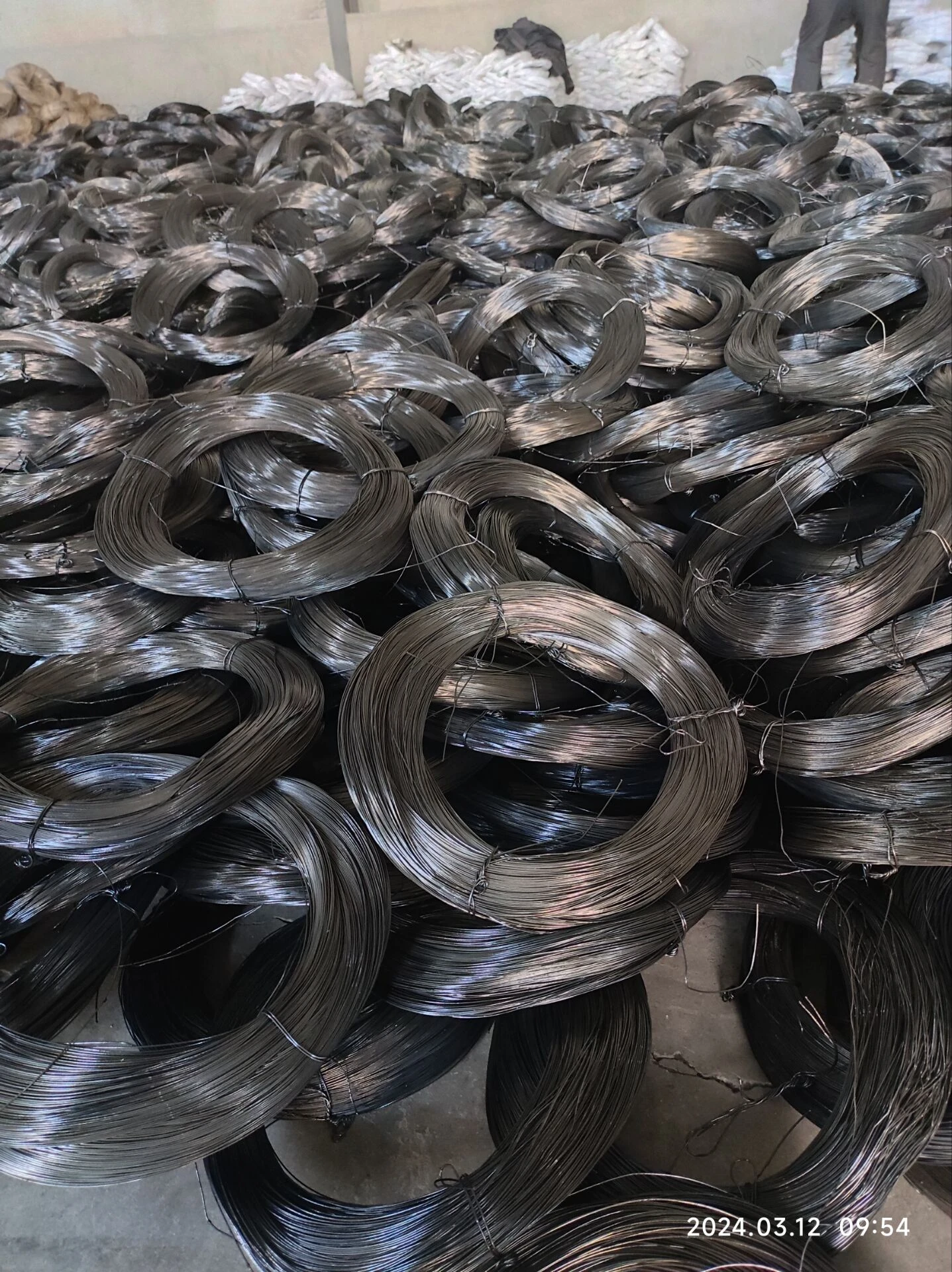
The primary material for 2 coil siding nails is typically carbon steel, specifically SAE 1008 or 1010 grade, chosen for its balance of ductility and strength. Steel wire is drawn through a series of dies to achieve the desired gauge (diameter). The tensile strength of the wire is crucial, generally ranging from 600-800 MPa. Galvanization, either hot-dip or electrogalvanization (zinc coating), is applied to impart corrosion resistance, with coating thicknesses varying between 20-30 microns for standard applications and exceeding 50 microns for coastal or corrosive environments. Polymer coating, such as epoxy or polyester, is increasingly used to enhance corrosion protection and provide color-matching capabilities. Manufacturing involves a four-stage process: wire drawing, shank forming, head forming, and collation. Shank forming is achieved through progressive die forming, ensuring consistent dimensions. Head forming typically uses a cold heading process. Collation, the process of joining nails into a continuous strip, employs plastic or paper carriers adhered with adhesive. Critical parameters during manufacturing include wire gauge consistency, head diameter and cupping, shank straightness, and collation accuracy. Inconsistent collation can lead to misfeeds and installation failures.
Performance & Engineering
The performance of 2 coil siding nails is fundamentally governed by principles of force analysis and material stress. Shear strength, the resistance to forces acting parallel to the nail shank, is paramount, determined by the nail's diameter and steel grade. Pull-through resistance, the ability to withstand forces pulling the nail out of the siding and substrate, depends on nail length, shank diameter, and the density of the substrate material (wood, OSB, etc.). Environmental resistance is critical, focusing on corrosion prevention. Exposure to moisture, salt spray, and UV radiation accelerates corrosion, leading to weakening of the nail and potential siding detachment. Relevant compliance requirements include ASTM F1667 (Standard Specification for Stainless Steel Shims and Fasteners) which dictates material properties and corrosion resistance. Engineering considerations include selecting the appropriate nail length based on siding thickness and substrate material. Nail gauge must be adequate to provide sufficient holding power. The angle of nail penetration significantly impacts pull-through resistance; typically, nails are driven perpendicularly to the siding surface. Proper nail gun settings (air pressure, depth control) are essential for consistent fastening without damaging the siding material.
Technical Specifications
| Nail Diameter (Gauge) | Nail Length (inches) | Shank Material | Coating Type |
|---|---|---|---|
| 8 Gauge (4.0 mm) | 1.25 inches (32 mm) | SAE 1010 Carbon Steel | Electrogalvanized Zinc Coating |
| 8 Gauge (4.0 mm) | 1.5 inches (38 mm) | SAE 1010 Carbon Steel | Hot-Dip Galvanized Zinc Coating |
| 9 Gauge (3.3 mm) | 1.25 inches (32 mm) | SAE 1008 Carbon Steel | Polyester Polymer Coating over Galvanized |
| 9 Gauge (3.3 mm) | 1.5 inches (38 mm) | SAE 1008 Carbon Steel | Epoxy Polymer Coating over Galvanized |
| 10 Gauge (2.8 mm) | 1.0 inch (25 mm) | SAE 1010 Carbon Steel | Electrogalvanized Zinc Coating |
| 10 Gauge (2.8 mm) | 1.25 inches (32 mm) | SAE 1010 Carbon Steel | Hot-Dip Galvanized Zinc Coating |
Failure Mode & Maintenance
Common failure modes for 2 coil siding nails include corrosion-induced failure, shank bending/shear failure, and pull-through failure. Corrosion, particularly in coastal environments, leads to weakening of the nail shank, ultimately resulting in siding detachment. Fatigue cracking can occur under cyclical loading (wind gusts, thermal expansion/contraction), initiating at stress concentration points (nail head or shank bends). Pull-through failure occurs when the nail loses its grip on the substrate, often due to insufficient nail length or substrate degradation. Delamination of the substrate around the nail shank can also contribute to pull-through. Maintenance is primarily preventative. Regular inspection of siding installations, particularly in harsh environments, can identify early signs of corrosion or loosening. Replacement of corroded or loose nails is crucial. Avoiding overdriving nails, which can damage the siding and reduce holding power, is vital. Proper storage of nail coils in a dry environment prevents premature corrosion. Using nails with appropriate coating for the environmental conditions is also a preventative measure. In areas prone to extreme weather events, consider using stainless steel nails for enhanced durability.
Industry FAQ
Q: What is the difference between hot-dip galvanization and electrogalvanization for siding nails, and which is preferred for coastal applications?
A: Hot-dip galvanization provides a thicker zinc coating, offering superior corrosion protection compared to electrogalvanization. Electrogalvanization is more uniform and provides a smoother finish, but the coating is thinner. For coastal applications, hot-dip galvanization is strongly preferred due to the higher salt concentration and increased corrosion risk. A thicker zinc layer provides a longer-lasting barrier against corrosion.
Q: How does nail gauge impact the holding power of siding nails, and what gauge is recommended for vinyl siding?
A: Nail gauge (diameter) directly impacts holding power. A larger gauge nail provides greater shear strength and pull-through resistance. For vinyl siding, a 9-gauge or 8-gauge nail is commonly recommended, providing a balance of holding power and minimizing the risk of splitting the vinyl siding material. The specific recommendation can also depend on the vinyl siding thickness and substrate material.
Q: What are the common causes of nail misfeeds in a coil nailer, and how can they be prevented?
A: Common causes of nail misfeeds include incorrect nailer settings, damaged or inconsistent nail collation, and debris within the nailer magazine. Preventative measures include ensuring the nailer is properly adjusted for the nail size and type, inspecting nail coils for damage before loading, and regularly cleaning the nailer magazine to remove dust and debris.
Q: What is the impact of substrate material (wood, OSB) on the required nail length for siding installation?
A: The substrate material significantly influences the required nail length. Softer substrates like wood require shorter nails than denser substrates like OSB. Generally, the nail should penetrate at least 1 inch into the substrate to ensure adequate holding power. OSB typically requires longer nails than wood due to its density and layered construction.
Q: Are polymer-coated nails genuinely more resistant to corrosion than solely galvanized nails, and what is the benefit of the polymer coating?
A: Polymer-coated nails offer enhanced corrosion resistance compared to solely galvanized nails. The polymer coating provides an additional barrier against moisture and corrosive agents, extending the service life of the nail. The polymer coating also adds color-matching capabilities, improving the aesthetic appearance of the siding installation. However, the polymer coating’s effectiveness depends on its quality and adhesion to the galvanized layer.
Conclusion
2 coil siding nails are a foundational component of durable and weather-resistant building envelope systems. Understanding the interplay between material science, manufacturing processes, performance characteristics, and potential failure modes is critical for ensuring long-term structural integrity. Proper nail selection, based on environmental conditions, substrate material, and siding type, is paramount. The ongoing development of advanced coating technologies and more precise manufacturing techniques continues to improve the performance and longevity of these essential fasteners.
Future advancements in coil siding nail technology are likely to focus on developing more environmentally friendly coatings, improving collation accuracy to minimize misfeeds, and designing nails with enhanced shear strength and pull-through resistance. The integration of smart sensors within nail coils to monitor installation quality and detect potential issues in real-time may also emerge. Continued adherence to industry standards and rigorous quality control will remain crucial for maintaining the reliability and performance of 2 coil siding nails in challenging construction environments.