




Introduction
20mm concrete nails are a crucial fastening element within the construction industry, specifically designed for securing materials to concrete, brick, and other masonry substrates. Positioned as a cost-effective and relatively simple alternative to drilling and anchoring systems, these nails rely on a combination of impact force and material deformation to establish a robust connection. They represent a significant portion of the direct fastening market, serving both temporary and permanent applications, ranging from formwork construction to the attachment of timber battens and light-gauge metal profiles. Core performance characteristics include shear strength, tensile strength, and resistance to pull-out, all dictated by material composition, nail geometry, and the properties of the base material. The selection of the appropriate 20mm concrete nail is dependent upon the load requirements, the type of concrete or masonry, and relevant building codes.
Material Science & Manufacturing
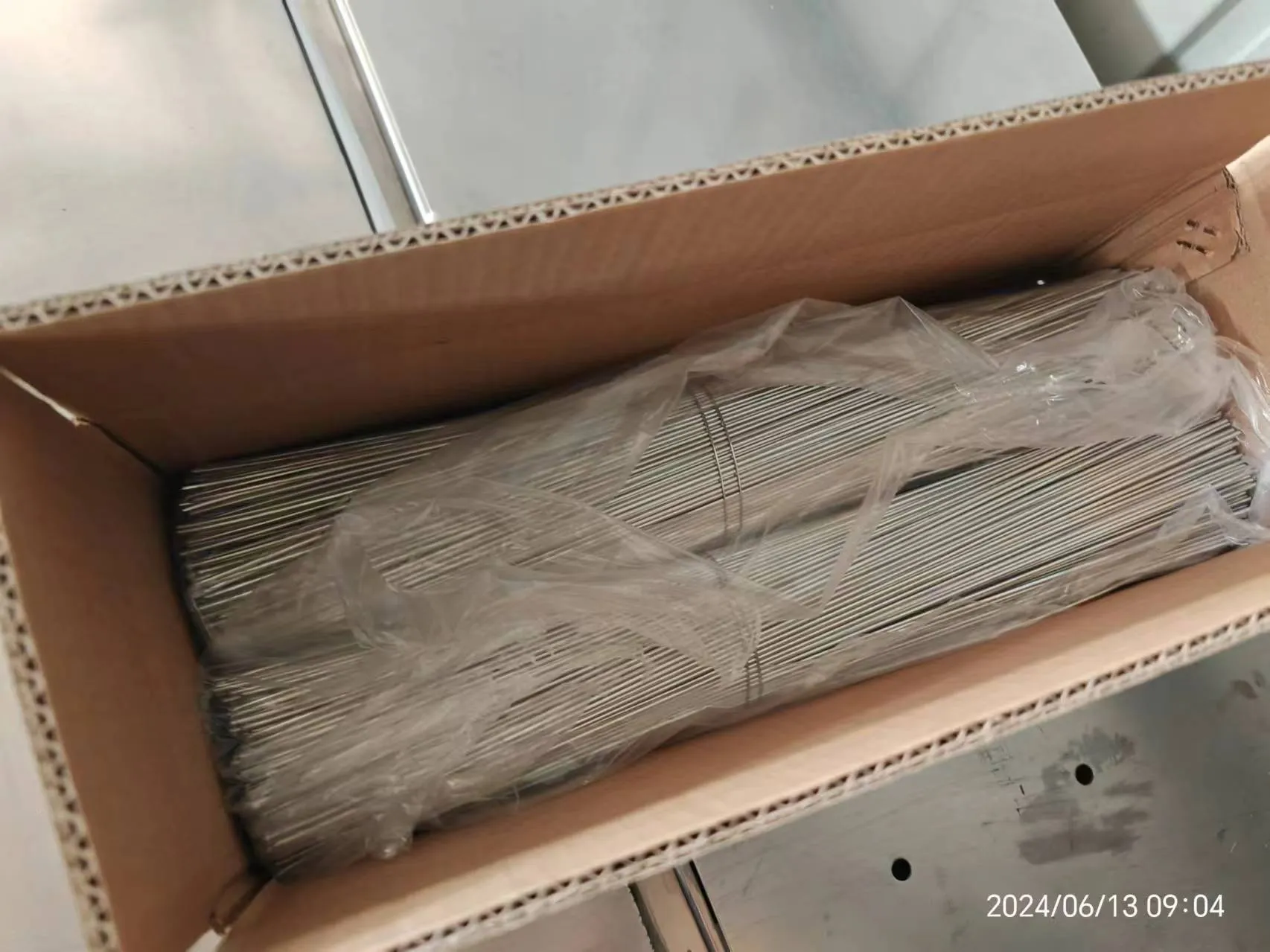
The predominant material used in the production of 20mm concrete nails is high-carbon steel, typically AISI 1045 or equivalent. This steel offers a balance of hardness, tensile strength, and ductility necessary to withstand the stresses imposed during installation and service. The steel undergoes a heat treatment process, including hardening and tempering, to optimize its mechanical properties. Hardening increases the steel’s resistance to deformation, while tempering enhances its toughness and reduces brittleness. Surface coatings, such as zinc plating or polymer coatings, are frequently applied to enhance corrosion resistance. The manufacturing process begins with wire drawing, reducing the steel’s diameter to the required gauge. This is followed by heading, where the nail head is formed using a cold-forming process. Point grinding is then performed to create a sharp point facilitating penetration into concrete. Quality control is crucial throughout, with inspections focusing on dimensional accuracy, surface finish, and hardness. Key parameters controlled during manufacturing include wire tensile strength, heading pressure, grinding angle, and coating thickness. Variations in these parameters can significantly affect the nail’s performance and reliability.
Performance & Engineering
The performance of a 20mm concrete nail is primarily dictated by its ability to resist shear and tensile forces. Shear resistance, the nail’s ability to withstand forces acting parallel to its axis, is critical in applications where lateral loads are present. Tensile resistance, or pull-out strength, determines the nail’s ability to resist being extracted from the substrate. Engineering calculations for concrete nail performance typically employ empirical formulas derived from extensive testing, considering factors such as concrete compressive strength, nail diameter, nail length, and embedding depth. The nail's shank geometry – smooth versus ring shank – plays a significant role; ring shanks enhance pull-out resistance due to increased mechanical interlocking with the concrete. Environmental resistance is a crucial consideration. Exposure to moisture and corrosive agents can lead to corrosion, weakening the nail and reducing its load-carrying capacity. Galvanization and polymer coatings provide protection, but their effectiveness diminishes over time depending on the severity of the environment. Building codes, such as the International Building Code (IBC), specify minimum performance requirements for concrete nails used in structural applications. Compliance requires verifying nail performance through testing conducted by accredited laboratories.
Technical Specifications
| Parameter | Unit | Typical Value | Testing Standard |
|---|---|---|---|
| Nail Length | mm | 20 | GB/T 8298 |
| Nail Diameter (Shank) | mm | 2.5 - 4.0 | GB/T 8298 |
| Head Diameter | mm | 6.5 - 8.0 | GB/T 8298 |
| Material | - | AISI 1045 High Carbon Steel | ASTM A1018 |
| Hardness (Rockwell C) | HRC | 45-55 | ASTM A255 |
| Tensile Strength | MPa | 800-1200 | ASTM A370 |
| Shear Strength (in concrete) | kN | 2.5-5.0 (dependent on concrete strength) | EN 14424 |
| Coating | - | Zinc Plating/Polymer Coating | ASTM B633 / ASTM B856 |
| Minimum Pull-Out Strength (in concrete) | kN | 1.5-3.0 (dependent on concrete strength & shank type) | EN 14424 |
| Yield Strength | MPa | 600-900 | ASTM A370 |
Failure Mode & Maintenance
Concrete nails are susceptible to several failure modes. The most common is bending or shear failure, occurring when the nail exceeds its shear strength due to excessive lateral loading. Pull-out failure arises when the nail’s holding power is insufficient, leading to its extraction from the concrete. Fatigue cracking can occur in applications subject to cyclic loading, initiating at stress concentrations around the nail head or shank. Corrosion is a significant long-term failure mechanism, weakening the nail and reducing its load capacity, especially in marine or chemically aggressive environments. Delamination of the concrete surrounding the nail can also contribute to failure, reducing the effective embedding depth. Maintenance is generally limited to periodic inspections for signs of corrosion or deformation. Damaged or corroded nails should be replaced. Preventative measures include selecting nails with appropriate corrosion resistance for the intended environment and ensuring proper installation techniques to avoid bending or damage during driving. In cases of structural concerns, a qualified engineer should assess the integrity of the fastening system. Use of appropriate coatings and regular inspection are the primary maintenance strategies.
Industry FAQ
Q: What is the impact of concrete compressive strength on the pull-out resistance of a 20mm concrete nail?
A: Higher concrete compressive strength directly correlates to increased pull-out resistance. The greater the concrete's resistance to deformation, the more effectively it can grip the nail shank. Engineering formulas used to calculate pull-out capacity explicitly include a factor for concrete compressive strength. Therefore, selecting the appropriate nail for a specific concrete grade is crucial for ensuring adequate load-carrying capacity.
Q: Are ring shank nails always superior to smooth shank nails for concrete applications?
A: Not always, but generally ring shank nails offer significantly improved pull-out resistance compared to smooth shank nails, particularly in applications subject to dynamic loads or vibration. The rings create a mechanical interlock with the concrete, increasing the force required for extraction. However, ring shanks may require greater driving force and can potentially cause more concrete cracking if not installed carefully.
Q: What coating provides the best long-term corrosion protection for concrete nails used in coastal environments?
A: Hot-dip galvanization provides superior corrosion protection compared to electro-galvanization or polymer coatings, particularly in harsh marine environments. The thicker zinc coating offers a sacrificial layer that protects the steel from corrosion. Polymer coatings can provide additional protection, but their long-term performance is often less predictable. Stainless steel nails offer the highest level of corrosion resistance but are significantly more expensive.
Q: What installation techniques should be avoided to prevent damage to concrete nails?
A: Overdriving nails can damage the head and reduce their holding power. Driving nails at an angle can cause them to bend or split the concrete. Using excessive force or a malfunctioning nail gun can also lead to damage. Ensure the nail gun is properly calibrated and the appropriate driving pressure is used for the specific concrete and nail type. Pre-drilling is generally not recommended as it can weaken the concrete.
Q: How does nail spacing affect the overall performance of a fastened assembly?
A: Nail spacing is a critical factor in determining the overall strength and stability of a fastened assembly. Closer spacing generally provides greater shear resistance, but can also increase the risk of concrete cracking. Building codes specify minimum and maximum nail spacing requirements based on the load requirements and the type of concrete. Wider spacing reduces material costs but compromises structural integrity.
Conclusion
20mm concrete nails represent a reliable and economical fastening solution for a wide range of construction applications. Their performance is intricately linked to material science, manufacturing precision, and adherence to established engineering principles. Understanding the interplay between nail properties, concrete characteristics, and environmental factors is paramount for ensuring the long-term integrity and safety of fastened assemblies.
Continued advancements in coating technologies and nail geometry promise to further enhance the durability and performance of these essential fasteners, contributing to more sustainable and resilient construction practices. Proper selection, installation, and periodic inspection are critical for maximizing their service life and mitigating potential failure modes.