



Introduction
6 x 1 5/8 inch drywall screws are a fundamental fastening component in the residential, commercial, and industrial construction sectors. These screws, categorized as Type AB, are specifically designed for the attachment of drywall (gypsum board) to wood or metal studs. Their prevalence stems from a balance of cost-effectiveness, ease of installation, and adequate holding power for typical wall and ceiling applications. The ‘6’ denotes the diameter of the screw in gauge (approximately 0.138 inches), while '1 5/8' represents the length in inches. Understanding the nuances of these screws – from material composition to performance characteristics – is critical for ensuring structural integrity, mitigating failure risks, and adhering to building codes. This guide will provide an in-depth technical analysis covering material science, manufacturing processes, performance engineering, potential failure modes, and relevant industry standards.
Material Science & Manufacturing
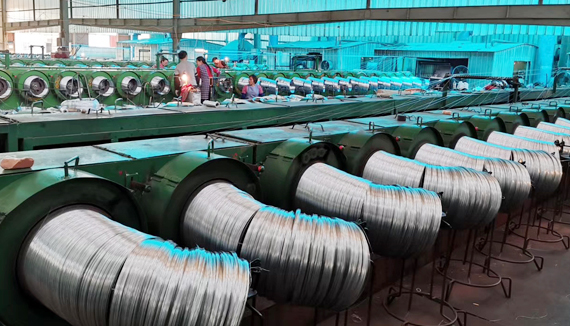
The core material for 6 x 1 5/8 drywall screws is typically carbon steel, specifically SAE 1018 or similar grades, selected for its balance of strength, ductility, and cost. This steel is commonly subjected to heat treatment processes, such as hardening and tempering, to achieve optimal mechanical properties. The screw head is generally formed from the same steel, but may receive localized surface treatments for improved driver engagement. Phosphate coatings (typically zinc phosphate) are applied to the screw body to enhance corrosion resistance and provide a receptive surface for subsequent coatings. Manufacturing begins with wire drawing, creating the screw blank from steel rod. A cold heading process forms the screw head, followed by thread rolling, which imparts the screw’s threads without material removal – crucial for maintaining material strength. Critical parameters during thread rolling include die angle, feed rate, and lubrication, all impacting thread form and tensile strength. Quality control involves rigorous checks for dimensional accuracy (diameter, length, head size), thread integrity, and coating uniformity. Improper coating thickness or thread defects can significantly compromise performance. Hydrogen embrittlement is a concern during phosphate coating; careful process control is necessary to minimize this risk. Material composition is typically verified using optical emission spectroscopy, while hardness is assessed via Rockwell testing.
Performance & Engineering
The performance of a 6 x 1 5/8 drywall screw is dictated by its ability to withstand shear, tensile, and withdrawal forces. Shear strength is critical when screws are subjected to lateral loads, common in seismic zones or high-traffic areas. Tensile strength governs the screw’s resistance to pulling out under direct tension. Withdrawal resistance, or pull-out strength, is a function of thread engagement in the substrate (drywall and stud material), screw diameter, and screw length. Engineering calculations often employ finite element analysis (FEA) to model stress distribution and predict failure points under various load scenarios. The screw’s point style (sharp, blunt, or self-drilling) impacts installation torque and penetration resistance. A sharp point reduces installation effort but may increase the risk of drywall fracturing. Corrosion resistance is a key consideration, particularly in humid environments. Zinc coatings offer moderate protection, but the rate of corrosion depends on the coating thickness and the presence of chlorides. For exterior applications or corrosive environments, stainless steel screws (Type 304 or 316) are recommended. Building codes, such as the International Building Code (IBC), specify minimum screw spacing and edge distance requirements to ensure adequate load-carrying capacity and prevent drywall cracking or delamination. Compliance with ASTM C1396 is essential, defining performance requirements for drywall fasteners.
Technical Specifications
| Parameter | Typical Value (Imperial) | Typical Value (Metric) | Testing Standard |
|---|---|---|---|
| Nominal Diameter | 6 Gauge (0.138 in) | 3.51 mm | ASTM F488 |
| Length | 1 5/8 in | 41.3 mm | ASTM F488 |
| Head Type | Bugle | Bugle | Visual Inspection |
| Point Type | Sharp | Sharp | Visual Inspection |
| Material | Carbon Steel (SAE 1018) | Carbon Steel (SAE 1018) | Chemical Analysis |
| Coating | Zinc Phosphate | Zinc Phosphate | ASTM B695 |
| Tensile Strength (Minimum) | 60,000 PSI | 414 MPa | ASTM F488 |
| Shear Strength (Minimum) | 35,000 PSI | 241 MPa | ASTM F488 |
| Withdrawal Strength (Minimum - 1/2" Drywall) | 50 lbs | 222 N | ASTM C1396 |
| Hardness (Rockwell C) | 25-35 | 25-35 | ASTM E18 |
Failure Mode & Maintenance
Common failure modes for 6 x 1 5/8 drywall screws include stripping of the screw head, shearing of the screw shank, and withdrawal failure. Head stripping often results from over-torquing or using an improperly sized driver bit. Shear failure occurs when the screw is subjected to excessive lateral loads, exceeding its shear strength. Withdrawal failure happens when the threads lose their grip in the substrate, often due to insufficient thread engagement or weakened drywall. Corrosion can also lead to premature failure, particularly in humid or corrosive environments. Fatigue cracking is less common but can occur under cyclic loading. Maintenance primarily involves inspection for loose or damaged screws. Loose screws should be tightened, but caution is required to avoid stripping the head. Severely corroded or damaged screws should be replaced. Preventative measures include using appropriately sized screws for the application, avoiding over-torquing, and ensuring proper substrate preparation. For exterior applications, using corrosion-resistant screws (stainless steel) is crucial. Periodic inspections, especially in high-stress areas, can identify potential problems before they escalate. Addressing drywall cracks promptly can prevent further damage and maintain structural integrity. Proper drywall finishing techniques, including taping and mudding, also contribute to long-term durability.
Industry FAQ
Q: What is the difference between Type AB and Type B drywall screws?
A: Type AB screws have a sharper point and are designed for direct penetration of drywall without pre-drilling. Type B screws have a blunt point and are typically used with pre-drilled holes in metal studs. Type AB screws are more common for wood stud applications, while Type B screws offer improved accuracy and reduced damage when used with metal framing.
Q: How does screw spacing affect the performance of a drywall installation?
A: Screw spacing directly impacts the load-carrying capacity and resistance to deflection. Closer spacing provides greater support but increases material and labor costs. Building codes specify minimum screw spacing requirements based on drywall thickness and stud spacing. Insufficient spacing can lead to drywall cracking, sagging, or even failure.
Q: What is the impact of different coating types on corrosion resistance?
A: Zinc phosphate coatings offer basic corrosion protection. However, in highly corrosive environments (e.g., coastal areas or high humidity), stainless steel screws (Type 304 or 316) are recommended. Ceramic coatings and other specialized treatments can further enhance corrosion resistance but typically come at a higher cost.
Q: Can drywall screws be reused?
A: Reusing drywall screws is generally not recommended. Removing and re-installing screws can damage the threads and reduce their holding power. Furthermore, the phosphate coating can be compromised during removal. Using new screws ensures optimal performance and reliability.
Q: How does drywall thickness affect the required screw length?
A: Thicker drywall requires longer screws to ensure adequate thread engagement in the stud material. For 1/2-inch drywall, 1 5/8-inch screws are typically sufficient. For 5/8-inch drywall, 1 5/8 to 2-inch screws are recommended to maintain adequate holding power and prevent screw pull-through.
Conclusion
6 x 1 5/8 drywall screws represent a critical fastening element in modern construction. Their consistent performance relies heavily on meticulous material selection, precise manufacturing controls, and adherence to established engineering principles. A thorough understanding of their mechanical properties, potential failure modes, and relevant industry standards is paramount for ensuring the structural integrity and long-term durability of drywall installations.
Moving forward, advancements in coating technologies and material science are likely to focus on enhancing corrosion resistance and improving screw performance in demanding environments. Continued research into optimal screw spacing and installation techniques will further refine best practices and contribute to safer, more reliable construction projects. The correct specification and application of these seemingly simple fasteners are undeniably pivotal to the overall success of any drywall system.