



Introduction
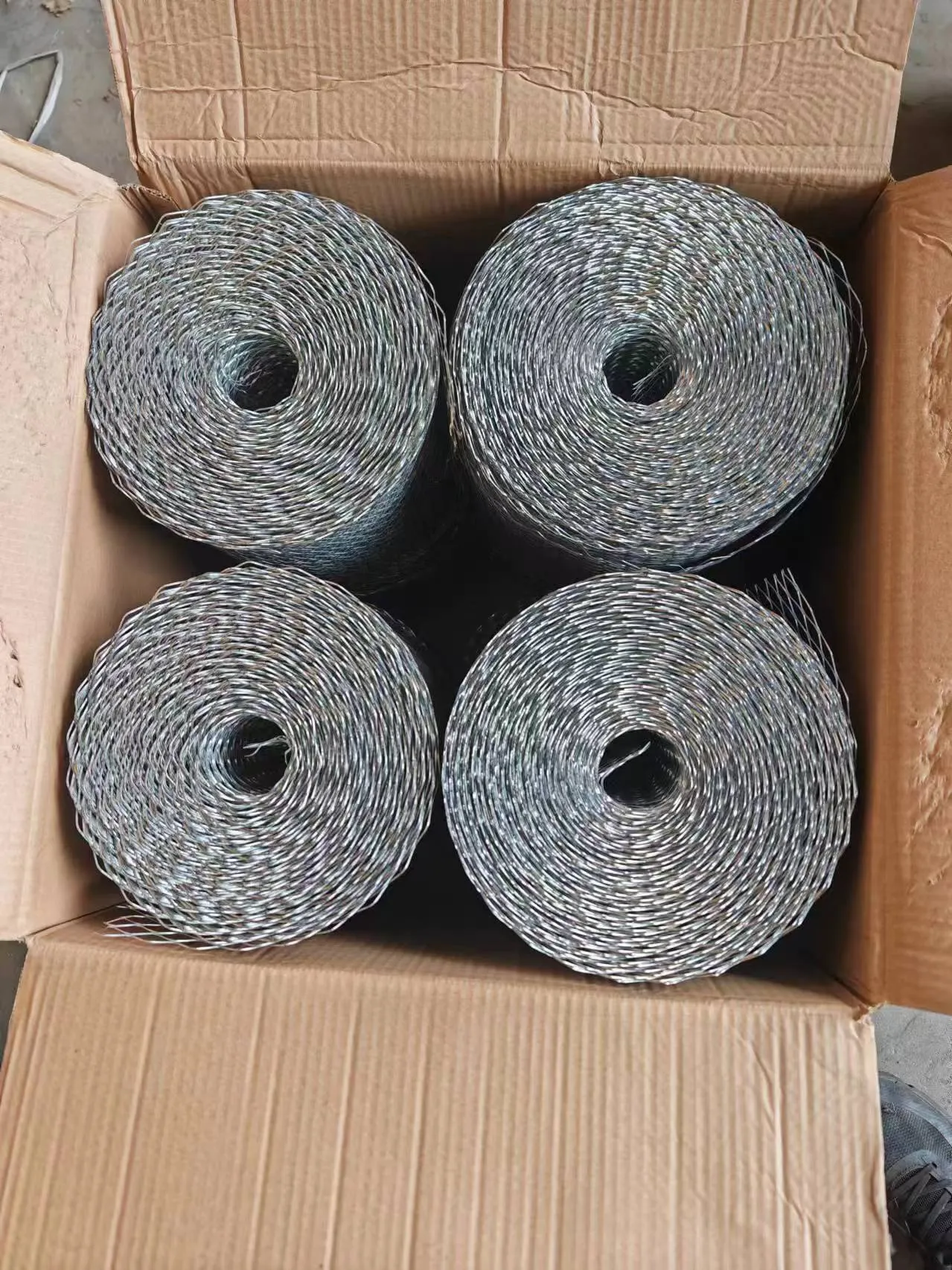
64mm coil nails are a type of collated fastener widely utilized in the construction, woodworking, and furniture manufacturing industries. These nails, typically constructed from carbon steel, are designed for use with pneumatic nail guns that accept coil nail magazines. Their primary function is to efficiently and reliably join wood-based materials such as plywood, OSB, softwood, and hardwood. The 64mm length provides substantial holding power for applications requiring significant shear and tensile strength. In the broader fastening landscape, coil nails occupy a position between manually driven nails and more substantial mechanical fasteners like screws and bolts, offering a balance of speed, cost-effectiveness, and structural integrity. Core performance characteristics include consistent nail formation, reliable feeding in nail guns, and predictable penetration depth. The consistent dimensions and quality control applied during manufacturing are crucial to prevent misfires and ensure structural soundness. The coil design enables high-volume applications, significantly reducing installation time compared to manual nailing methods. A key pain point for industry professionals is ensuring consistent nail quality to minimize downtime and prevent structural failures, alongside the need for compatibility across different nail gun models.
Material Science & Manufacturing
The primary raw material for 64mm coil nails is typically carbon steel, specifically SAE 1008 or similar low-carbon steel grades. This choice is driven by a balance of cost, ductility, and formability. The steel undergoes a cold heading process where wire is fed into a machine and formed into the nail shape using dies. This process work-hardens the steel, increasing its tensile strength. Following cold heading, the nails are often subjected to a case hardening process, utilizing carburization or nitriding, to enhance surface hardness and improve resistance to wear and corrosion. The coil formation itself is a critical manufacturing step. Wire is continuously formed into a coiled chain, allowing for high-volume feeding into pneumatic nail guns. The wire diameter is carefully controlled, typically ranging from 2.9mm to 3.4mm, depending on the intended application and nail gun compatibility. Precise control of the wire feeding rate and coiling tension is vital to prevent kinks or breaks during use. Surface treatments, such as electroplating (zinc, copper, or phosphate coating), are frequently applied to improve corrosion resistance. Quality control involves dimensional checks at various stages, ensuring consistent nail length, head diameter, and shank diameter. Material composition is verified through spectroscopic analysis to guarantee adherence to specified steel grades. Parameter control during manufacturing includes maintaining consistent wire temperature, die lubrication, and quenching rates to achieve optimal material properties.
Performance & Engineering
The performance of 64mm coil nails is heavily influenced by their shear strength, tensile strength, and withdrawal resistance. Shear strength, the ability to resist forces acting parallel to the nail shank, is critical in applications where lateral loads are present. Tensile strength, the resistance to forces pulling directly on the nail, determines the nail's ability to withstand tension. Withdrawal resistance is the force required to pull the nail out of the wood, and is affected by nail shank diameter, length, and the density of the wood. Force analysis during installation involves evaluating the impact force delivered by the nail gun, the penetration depth, and the resulting stress distribution within the wood. Environmental resistance is a key consideration, particularly in outdoor applications. Corrosion can significantly reduce nail strength over time. Protective coatings, such as zinc plating, are essential to mitigate corrosion. The nail’s geometry – shank smoothness, point angle, and head shape – also affects performance. Smooth shanks reduce driving resistance, while sharp points facilitate penetration. Compliance requirements vary depending on the application and region. For structural applications, nails must meet relevant building codes and standards, often requiring specific load-bearing capacities and corrosion resistance levels. Functional implementation involves careful selection of the appropriate nail gun settings (pressure, depth control) to ensure consistent and reliable fastening without damaging the wood.
Technical Specifications
| Parameter | Unit | Typical Value | Testing Standard |
|---|---|---|---|
| Nail Length | mm | 64 ± 0.5 | ISO 8990 |
| Wire Diameter | mm | 3.1 - 3.4 | ASTM F1667 |
| Head Diameter | mm | 6.5 - 7.0 | EN 14395 |
| Point Angle | degrees | 21 - 28 | GB/T 5091-2012 |
| Shear Strength (minimum) | MPa | 400 | ASTM F1667 |
| Tensile Strength (minimum) | MPa | 500 | ISO 8990 |
Failure Mode & Maintenance
Common failure modes for 64mm coil nails include bending, breaking, pull-out, and corrosion. Bending or breaking often occurs due to excessive force during installation, material defects in the nail itself, or encountering knots or dense wood. Pull-out failures result from insufficient nail penetration or low withdrawal resistance in the wood. Corrosion, particularly in untreated nails exposed to moisture and corrosive environments, weakens the nail shank and reduces its load-bearing capacity. Fatigue cracking can occur in high-stress applications where the nail is subjected to repeated loading and unloading. Delamination of the coating (e.g., zinc plating) also accelerates corrosion. Maintenance primarily focuses on proper storage and handling. Nails should be stored in a dry environment to prevent rust. Avoid dropping or damaging the coil, as this can lead to feeding issues in the nail gun. Regularly inspect nail guns for wear and tear, ensuring the driver blade is in good condition. If corrosion is observed, replace the nails immediately. When working with treated lumber, use corrosion-resistant nails specifically designed for that application. Preventative measures also include selecting the correct nail size and type for the specific application, ensuring proper nail gun settings, and avoiding overdriving the nails.
Industry FAQ
Q: What steel grade is most suitable for 64mm coil nails intended for outdoor use in a marine environment?
A: For marine environments, a higher grade of steel with enhanced corrosion resistance is crucial. AISI 304 or 316 stainless steel are ideal choices, although significantly more expensive than carbon steel. Alternatively, carbon steel nails with a hot-dip galvanized coating offering a substantial zinc layer thickness (typically exceeding 50 microns) can provide adequate protection. Regularly inspect galvanized nails in marine conditions as the zinc coating will sacrificially corrode, protecting the steel beneath, but will eventually deplete.
Q: What is the impact of nail gun air pressure on the holding power of 64mm coil nails?
A: Incorrect air pressure significantly impacts holding power. Insufficient pressure results in incomplete nail seating, reducing withdrawal resistance and shear strength. Excessive pressure can cause the nail to overdrive, damaging the wood and potentially bending or breaking the nail. The optimal pressure range should be determined based on the nail gun manufacturer's recommendations and the wood species being fastened. A calibrated air compressor and regulator are essential for maintaining consistent pressure.
Q: How does wood density affect the required nail length for a given application?
A: Higher density wood requires longer nails for equivalent holding power. Softer woods provide less resistance to nail penetration and withdrawal, necessitating shorter nails. As a general rule, the nail length should be at least three times the material thickness being fastened. For hardwood applications, consider increasing the nail length by 20-30% to ensure adequate penetration and secure fastening. Always consult relevant building codes for specific requirements.
Q: What is the significance of the collation type (e.g., angle, offset) in 64mm coil nails?
A: The collation type refers to the way the nails are connected in the coil. Different nail guns are designed to accept specific collation types. Incorrect collation can cause feeding problems or misfires. Angle collation is commonly used in framing nailers, while offset collation is often used in roofing nailers. Always verify the nail gun's compatibility with the coil nail collation before use.
Q: Are there specific standards regarding the allowable nail spacing for structural applications?
A: Yes, building codes and standards like the International Building Code (IBC) and Eurocode 5 specify allowable nail spacing and edge distances for structural applications. These requirements vary depending on the load-bearing capacity required, the wood species, and the nail size. Proper nail spacing is critical to prevent splitting and ensure the structural integrity of the connection. Consult with a structural engineer to determine the appropriate nail spacing for specific projects.
Conclusion
64mm coil nails represent a vital fastening solution within the construction and woodworking industries, offering a practical balance between speed, cost, and strength. Their performance is fundamentally linked to the material science of the steel used, the precision of the manufacturing process, and adherence to relevant industry standards. Understanding the failure modes and implementing proper maintenance practices are critical for ensuring long-term reliability and preventing structural failures.
Looking ahead, advancements in coating technologies and steel alloys will continue to improve the corrosion resistance and overall durability of these fasteners. The integration of smart manufacturing processes, including real-time quality control and predictive maintenance, will further enhance product consistency and reduce downtime. Continued adherence to and refinement of industry standards will be essential to maintain safety and ensure the structural integrity of applications utilizing 64mm coil nails.