



Introduction
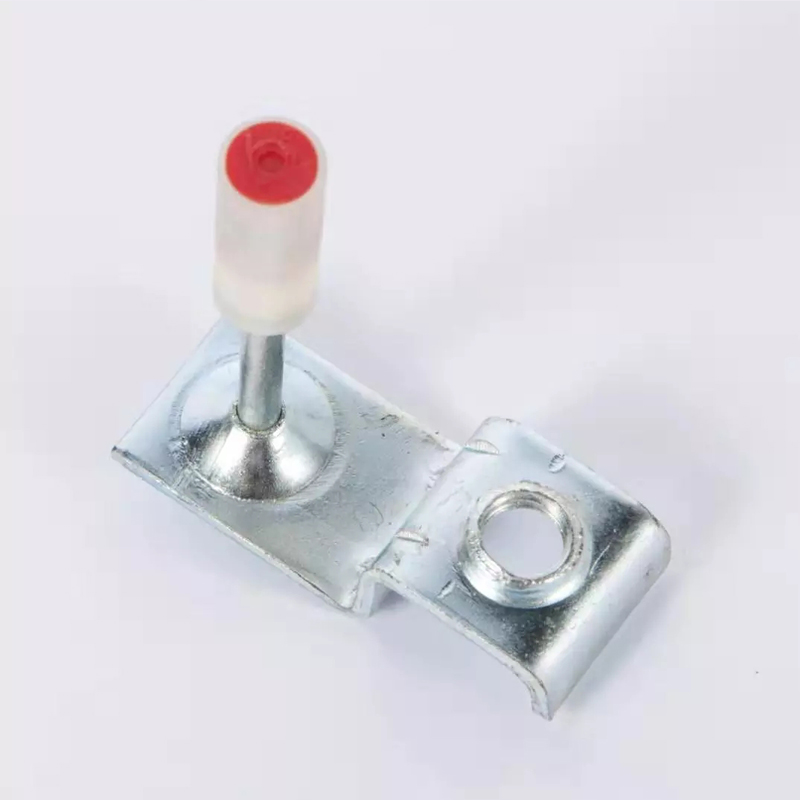
Building nails, fundamental fasteners in construction, are categorized by material, size, and head style to suit diverse applications. These nails range from common smooth shank nails used for general carpentry to specialized types like ring shank nails for increased holding power, and roofing nails designed for weather resistance. Their technical position within the construction supply chain is as a critical component enabling the assembly of framing, sheathing, roofing, and finishing elements. Core performance metrics include shear strength, tensile strength, bending resistance, and corrosion protection, directly influencing structural integrity and longevity. The selection of the appropriate nail type is paramount to ensure the durability and safety of building projects, accounting for wood density, load bearing requirements, and environmental exposure. This guide provides an in-depth examination of different building nail types, encompassing material science, manufacturing processes, performance characteristics, failure modes, and relevant industry standards.
Material Science & Manufacturing
Building nails are primarily manufactured from carbon steel, although stainless steel and aluminum alloys are utilized for specific applications. Carbon steel nails commonly employ AISI 1008 to 1018 grades, offering a balance of strength and ductility. The manufacturing process typically begins with wire drawing, reducing the diameter of the steel wire to the desired gauge. This is followed by heading, where the wire is cold-formed into a nail head using specialized machinery. The heading process introduces significant plastic deformation, influencing the grain structure and ultimately the nail's strength. Nail point formation is critical, achieved through either cutting or rolling. Cut points are sharper and easier to penetrate dense wood, while rolled points offer improved bending resistance. Surface treatment, including galvanization (zinc coating) or electroplating, provides corrosion protection. Galvanization involves immersing the nails in molten zinc, creating a metallurgical bond. The depth and uniformity of the zinc coating are crucial parameters controlled during manufacturing. Ring shank nails undergo an additional process where the shank is mechanically deformed to create a series of rings, enhancing withdrawal resistance. Quality control involves hardness testing (Rockwell C scale), tensile strength testing, and coating thickness measurements to ensure compliance with industry standards. Hydrogen embrittlement is a potential issue during galvanization, requiring post-treatment processes like baking to release trapped hydrogen and prevent cracking.
Performance & Engineering
The performance of building nails is governed by principles of mechanics and material science. Shear strength, the ability to resist forces acting parallel to the nail shank, is critical for load-bearing applications. Tensile strength, the resistance to forces acting perpendicular to the shank, determines the nail’s pull-out resistance. Bending resistance is important to prevent the nail from straightening under load. The angle of nail penetration significantly impacts holding power; a slight angling increases withdrawal resistance. Environmental resistance is a major concern, particularly in exterior applications. Corrosion, caused by electrochemical reactions between the steel nail and wood tannins, can lead to weakening and failure. Galvanization and other coatings mitigate this risk. The interaction between nail properties and wood properties is also crucial. Harder wood requires nails with sharper points, while softer wood can accommodate blunter points. Compliance requirements vary depending on the application. For example, nails used in structural framing must meet the requirements of building codes and standards related to shear capacity and withdrawal resistance. Finite element analysis (FEA) is used in engineering to simulate the stress distribution within a nail-wood connection, optimizing nail design and predicting performance under various loading conditions. Nail gauge (diameter) and length are key design parameters influencing holding power and structural integrity. Consideration is also given to the wood's moisture content, as swelling and shrinking can affect nail tightness.
Technical Specifications
| Nail Type | Material | Shank Diameter (Gauge) | Length (inches) | Coating | Shear Strength (PSI) |
|---|---|---|---|---|---|
| Common Nail | AISI 1018 Carbon Steel | 6d (0.113") | 3" | Bright (Uncoated) | 60,000 |
| Galvanized Common Nail | AISI 1018 Carbon Steel | 8d (0.131") | 2.5" | Hot-Dip Galvanized (ASTM A153) | 55,000 |
| Ring Shank Nail | AISI 1008 Carbon Steel | 7d (0.120") | 3.5" | Electroplated Zinc | 70,000 |
| Roofing Nail | AISI 1018 Carbon Steel | 8d (0.131") | 1.25" | Hot-Dip Galvanized with Washer | 50,000 |
| Stainless Steel Nail | 304 Stainless Steel | 6d (0.113") | 2" | None (Corrosion Resistant) | 80,000 |
| Aluminum Nail | Aluminum Alloy 3003 | 4d (0.099") | 1.5" | None (Corrosion Resistant) | 30,000 |
Failure Mode & Maintenance
Building nails are susceptible to several failure modes. Shear failure occurs when the nail’s cross-sectional area yields under excessive shear stress. Tensile failure, or pull-out, happens when the nail loses its grip on the wood fibers. Bending failure occurs when the nail bends excessively, losing its load-bearing capacity. Corrosion is a significant contributor to failure, weakening the nail and reducing its holding power. Fatigue cracking can develop under cyclic loading, especially in structures subject to vibrations. Delamination of the wood around the nail can also lead to reduced holding power. Maintenance involves periodic inspection of nail connections, particularly in exterior applications. Signs of corrosion, such as rust formation, indicate a potential problem. Loose nails should be replaced or reinforced. Applying a sealant around the nail head can prevent water ingress and slow down corrosion. Regular cleaning of the surrounding wood can remove debris and prevent the build-up of moisture. For galvanized nails, monitoring the coating for damage is important; damaged coatings should be repaired with a zinc-rich primer. Preventative measures include using appropriately sized nails for the application, ensuring proper nail penetration, and selecting corrosion-resistant nails for exterior use. Understanding the load-bearing capabilities of different nail types is crucial for avoiding structural failures.
Industry FAQ
Q: What is the difference between hot-dip galvanization and electroplating for nail coating?
A: Hot-dip galvanization provides a thicker, more durable zinc coating with superior corrosion resistance due to a metallurgical bond with the steel. It's ideal for exterior applications. Electroplating, while less expensive, offers a thinner coating and is more suitable for indoor use or when a smoother finish is desired. The corrosion protection offered by electroplating is significantly lower than hot-dip galvanization.
Q: How does ring shank design improve nail holding power?
A: Ring shank nails have a series of rings along the shank that create a mechanical interlocking effect with the wood fibers. This substantially increases withdrawal resistance compared to smooth shank nails. The rings require more force to pull the nail out, providing a more secure connection, especially in applications subject to vibration or dynamic loads.
Q: What nail gauge is recommended for framing a typical residential wall?
A: For general residential framing, 16d (0.131" diameter, 3.5" length) common nails or 16d ring shank nails are commonly recommended. However, the specific requirements may vary depending on local building codes and the species of wood being used. Heavier framing or engineered lumber may require larger gauge nails.
Q: What are the risks associated with using uncoated carbon steel nails in damp environments?
A: Uncoated carbon steel nails are highly susceptible to corrosion in damp environments. This corrosion weakens the nail, reducing its shear and tensile strength, ultimately leading to failure. The process of corrosion also creates rust which expands and can cause wood splitting. Using galvanized or stainless steel nails is essential in damp environments to prevent this.
Q: How does wood density affect nail holding power?
A: Harder, denser woods generally offer greater nail holding power than softer woods. Hardwoods require sharper nail points to initiate penetration, while softer woods can accept blunter points. The angle of nail penetration also plays a role; in softer woods, a steeper angle may be necessary to achieve adequate holding power. Wood moisture content also influences holding power, with drier wood generally providing better resistance to nail withdrawal.
Conclusion
The selection and proper application of building nails are fundamental to the structural integrity and longevity of any construction project. Understanding the material science, manufacturing processes, and performance characteristics of different nail types – from common nails to specialized ring shank and roofing nails – is crucial for engineers, contractors, and procurement professionals. Factors such as wood species, environmental exposure, and load-bearing requirements dictate the optimal nail choice. Addressing potential failure modes through appropriate maintenance and preventative measures is essential to ensure the long-term safety and reliability of structures.
Future advancements in nail technology may focus on developing new coating materials with enhanced corrosion resistance and exploring alternative materials to steel, like bio-based polymers or composite materials. The integration of sensor technologies within nails could enable real-time monitoring of stress and corrosion levels, providing valuable data for predictive maintenance. Continued adherence to established industry standards and building codes, combined with a deeper understanding of nail performance, will be vital in constructing durable, sustainable, and safe buildings.