



Introduction
Cement nails are specialized fasteners designed for the installation of materials into concrete, brick, and other masonry substrates. Positioned within the broader fastening industry – encompassing screws, bolts, and adhesives – cement nails differentiate themselves through a unique combination of impact resistance and shear strength, specifically tailored for applications where conventional nails or screws prove inadequate. Their primary function is to provide a rapid and reliable method for fixing lightweight materials, such as insulation boards, thin cladding, and wire mesh, to masonry surfaces. Core performance characteristics include penetration depth, holding power (withdrawal resistance), and resistance to bending under load. The market is driven by the construction industry, specifically residential and commercial building projects, as well as renovation and repair work. A key pain point in the industry is ensuring consistent penetration depth and avoidance of substrate cracking, particularly in older or more brittle masonry.
Material Science & Manufacturing
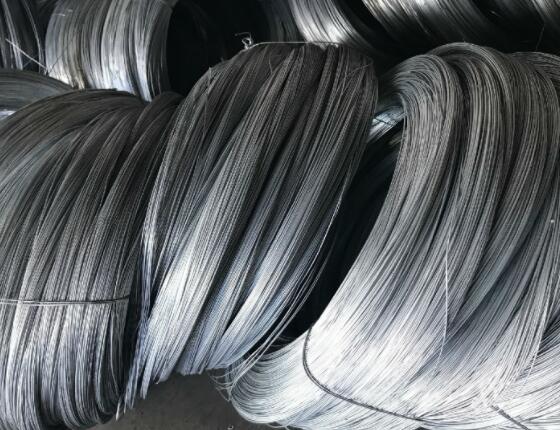
Cement nails are predominantly manufactured from high-carbon steel, specifically SAE 1045 or equivalent. This steel offers a balance of hardness, ductility, and tensile strength, crucial for resisting bending and shear forces during installation and service. The steel wire undergoes a cold heading process, where it is formed into a nail shape using a series of dies. This cold working increases the material’s yield strength and hardness. The nail's shank diameter and length are precisely controlled during this process. Surface treatments are critical to performance. Common coatings include zinc galvanization (hot-dip or electro-galvanization) for corrosion resistance, and increasingly, specialized polymer coatings for enhanced protection in aggressive environments. The galvanization process involves immersing the nails in molten zinc, creating a protective layer that prevents rust. Polymer coatings typically consist of epoxy or polyurethane resins. The quality of the steel directly impacts fatigue life. Hydrogen embrittlement can occur during the galvanization process, weakening the nail. Post-galvanization heat treatment is often employed to mitigate this issue. Careful control of drawing speeds and die lubrication is paramount during manufacturing to avoid surface imperfections that could initiate crack propagation.
Performance & Engineering
The performance of cement nails is dictated by several engineering principles. The primary load transfer mechanism relies on friction between the nail shank and the masonry substrate. The fluted or ringed surface of the nail increases the contact area, thereby enhancing friction. Shear strength is dependent on the nail's cross-sectional area and the compressive strength of the surrounding masonry. Force analysis considers both static and dynamic loading conditions, including wind loads and seismic activity. Environmental resistance is paramount; prolonged exposure to moisture and chlorides can accelerate corrosion. Standardized pull-out tests, conducted according to ASTM E1159, determine the nail’s holding power. The nail’s shank undergoes significant stress during installation, requiring sufficient ductility to prevent brittle fracture. The angle of insertion also impacts performance; a perpendicular insertion maximizes holding power. Compliance requirements vary based on regional building codes. In Europe, cement nails must comply with EN 14426. Understanding the material properties of both the nail and the substrate (concrete, brick, etc.) is vital for selecting the appropriate nail size and type. The spacing of nails is calculated to ensure adequate load distribution and prevent stress concentrations in the masonry.
Technical Specifications
| Shank Diameter (mm) | Shank Length (mm) | Head Diameter (mm) | Coating Type |
|---|---|---|---|
| 2.5 | 30 | 6.5 | Hot-Dip Galvanized |
| 2.8 | 40 | 7.5 | Electro-Galvanized |
| 3.1 | 50 | 8.5 | Epoxy Coated |
| 3.4 | 60 | 9.5 | Polyurethane Coated |
| 2.5 | 40 | 6.5 | Hot-Dip Galvanized |
| 3.1 | 30 | 8.5 | Electro-Galvanized |
Failure Mode & Maintenance
Cement nails are susceptible to several failure modes. Corrosion is a primary concern, particularly in coastal environments or areas exposed to de-icing salts. Rust weakens the nail shank, reducing its tensile strength and leading to premature failure. Shear failure occurs when the nail exceeds its shear capacity, typically due to excessive loading or improper installation. Withdrawal failure occurs when the nail is pulled out of the substrate, often due to insufficient embedment depth or weakening of the masonry. Fatigue cracking can occur under cyclic loading, initiating at surface imperfections or stress concentrations. Hydrogen embrittlement, as mentioned earlier, contributes to brittle fracture. Maintenance is generally limited to inspection for corrosion. If significant corrosion is observed, the affected nails should be replaced. Preventing failure involves proper nail selection (based on the substrate and loading conditions), correct installation technique (ensuring perpendicular insertion and adequate embedment depth), and the use of appropriately coated nails for the specific environment. Regularly inspecting installations for signs of corrosion or loosening can help identify potential problems before they escalate. Applying a sealant around the nail head can provide additional protection against moisture ingress.
Industry FAQ
Q: What is the optimal embedment depth for a 3.1mm cement nail in concrete with a compressive strength of 25 MPa?
A: For a 3.1mm cement nail in 25 MPa concrete, a minimum embedment depth of 30mm is recommended to achieve adequate holding power. Deeper embedment provides increased resistance to withdrawal, but excessive depth can increase the risk of splitting the concrete. Refer to the nail manufacturer’s specifications for precise recommendations.
Q: How does the galvanization process affect the long-term performance of cement nails?
A: Galvanization provides crucial corrosion protection. However, the process can induce hydrogen embrittlement, reducing ductility. Post-galvanization heat treatment is essential to mitigate this. The thickness and quality of the zinc coating directly impact corrosion resistance. Regular inspections are advised in harsh environments.
Q: What are the primary differences between hot-dip galvanization and electro-galvanization for cement nails?
A: Hot-dip galvanization provides a thicker, more durable coating, offering superior corrosion resistance, but can result in a rougher surface finish. Electro-galvanization produces a thinner, smoother coating, suitable for less aggressive environments, and is generally more cost-effective.
Q: Can cement nails be used in pre-drilled holes?
A: While it’s technically possible, it's generally not recommended. Cement nails rely on the compressive force generated during installation to wedge them into the masonry. Pre-drilling eliminates this wedging action, reducing holding power. If pre-drilling is unavoidable, use a drill bit slightly smaller than the nail shank diameter.
Q: What considerations should be made when selecting cement nails for use with aerated concrete?
A: Aerated concrete is a lightweight, porous material with significantly lower compressive strength than traditional concrete. Specialized cement nails with larger shanks and fluted surfaces are required to distribute the load effectively and prevent pull-out. Increased embedment depth is also recommended.
Conclusion
Cement nails represent a specialized fastening solution tailored to the unique demands of masonry construction. Their effectiveness hinges on a confluence of factors, including material selection (high-carbon steel), manufacturing precision (cold heading and surface treatments), and understanding of underlying engineering principles (friction-based load transfer). Proper selection, installation, and maintenance are critical for maximizing their performance and preventing premature failure.
The future of cement nail technology will likely focus on the development of advanced coating materials that offer even greater corrosion resistance, coupled with designs that minimize installation force and substrate cracking. Further research into the interaction between nail geometry and masonry properties will also drive improvements in holding power and long-term durability. Adherence to relevant international standards remains paramount to ensuring consistent quality and performance across the industry.