



Introduction
Cement siding nails are specialized fasteners designed for the secure installation of fiber cement siding, a popular exterior cladding material. Unlike conventional nails, cement siding nails are engineered with specific characteristics to address the unique demands of this application. These demands include resisting corrosion from the cementitious material’s alkaline nature, providing sufficient shear and tensile strength to withstand wind loads, and minimizing the risk of splitting the fiber cement substrate. Their position within the construction industry chain is critical; they bridge the material supply of fiber cement siding with the structural integrity of the building envelope. Core performance characteristics center around corrosion resistance, penetration capability without fracturing the siding, and reliable holding power over the lifespan of the installation, often exceeding 50 years. This guide provides an in-depth technical analysis of cement siding nails, covering material science, manufacturing processes, performance engineering, failure modes, and relevant industry standards.
Material Science & Manufacturing
Cement siding nails are typically constructed from hardened steel, specifically carbon steel conforming to ASTM A153 specifications. The steel is often coated with a corrosion-resistant layer, with options including hot-dip galvanization, electrogalvanization, or specialized polymer coatings. Hot-dip galvanization offers superior corrosion protection due to the thicker zinc coating formed through immersion in molten zinc, providing galvanic protection. Electrogalvanization provides a thinner, more uniform coating, frequently used in applications with less severe corrosive environments. Polymer coatings, such as acrylic or epoxy, enhance corrosion resistance and can improve aesthetic integration. The choice of coating influences the nail's long-term performance in alkaline cementitious environments.
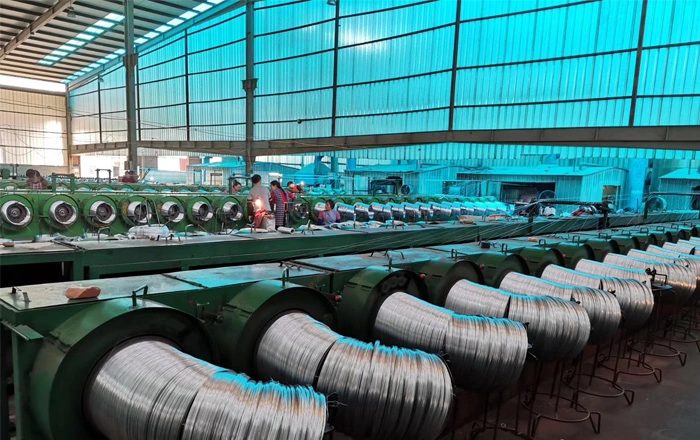
Manufacturing begins with wire drawing to achieve the desired nail diameter, typically ranging from 0.083 to 0.120 inches. The wire is then straightened and cut to length. Critical parameters during nail head formation include maintaining consistent head diameter and cup depth, impacting the nail's ability to countersink without fracturing the siding. Shank design varies; common types include smooth shanks, annular ring shanks, and spiral shanks. Annular and spiral shanks enhance withdrawal resistance by increasing friction within the substrate. The nail undergoes a hardening process, typically involving heat treatment, to achieve a Rockwell hardness of C45-C60, balancing ductility and strength. Post-hardening, nails are coated with the selected corrosion-resistant layer. Quality control includes dimensional checks, coating thickness measurements, and periodic pull-out tests to verify holding power according to ASTM E1558. The manufacturing tolerances directly impact installation efficiency and the long-term structural performance of the siding system.
Performance & Engineering
The performance of cement siding nails is critically tied to their ability to withstand shear and tensile forces imposed by wind loads. Engineering calculations, adhering to standards such as ASCE 7 (Minimum Design Loads for Buildings and Other Structures), dictate the required nail spacing and edge distance based on regional wind speed maps and building height. Force analysis considers the siding panel's surface area, wind pressure coefficients, and the nail's shear and tensile strength. Penetration depth is crucial; nails must penetrate the framing members (wood or steel studs) sufficiently to achieve adequate holding power, typically a minimum of 1.5 inches into wood. Environmental resistance is paramount; the alkaline nature of fiber cement siding (pH typically 10-12) can accelerate corrosion of unprotected steel. Therefore, the corrosion-resistant coating must maintain its integrity over the expected service life. The nail's geometry affects its performance. Smooth shank nails offer easier installation but lower withdrawal resistance compared to annular or spiral shank designs. Compliance requirements often involve third-party testing and certification to demonstrate adherence to industry standards, ensuring that the nails meet specified performance criteria.
Technical Specifications
| Nail Diameter (inches) | Nail Length (inches) | Shank Type | Coating Type |
|---|---|---|---|
| 0.083 | 1.25 | Smooth | Hot-Dip Galvanized |
| 0.099 | 1.50 | Annular Ring | Electrogalvanized |
| 0.113 | 1.75 | Spiral | Polymer Coated (Acrylic) |
| 0.120 | 2.00 | Annular Ring | Hot-Dip Galvanized |
| 0.083 | 1.75 | Smooth | Electrogalvanized |
| 0.099 | 2.00 | Spiral | Hot-Dip Galvanized |
Failure Mode & Maintenance
Common failure modes for cement siding nails include corrosion, bending, shear failure, and withdrawal. Corrosion, particularly in environments with high humidity and chloride exposure, weakens the nail, reducing its load-bearing capacity. Bending occurs when the nail encounters excessive force during installation or due to wind loads, leading to deformation and loss of holding power. Shear failure happens when the nail’s cross-sectional area exceeds its shear strength, often resulting from strong wind gusts. Withdrawal failure occurs when the nail loses its grip on the substrate, typically due to insufficient penetration or inadequate shank design. Fatigue cracking can also occur over time due to cyclic loading from wind.
Preventive maintenance is limited, as nails are typically concealed behind the siding. However, regular inspection of the siding for loose or corroded nails can identify potential problems early on. If loose nails are detected, they should be replaced with nails of the same type and specifications, ensuring proper penetration depth. Corroded nails should also be replaced. Avoiding overdriving nails during installation is critical to prevent damage to the siding and maintain holding power. Using the correct nail gun settings and ensuring proper nail alignment can minimize bending and shear failures. Proper flashing installation around windows and doors is vital to prevent water ingress, which can accelerate corrosion. Periodic visual assessments of the siding, especially after severe weather events, can help identify potential failure points.
Industry FAQ
Q: What is the primary difference between a standard framing nail and a cement siding nail?
A: The key difference lies in the corrosion resistance. Standard framing nails are typically galvanized, but the coating is often insufficient to withstand the highly alkaline environment of fiber cement siding. Cement siding nails utilize thicker galvanization, electrogalvanization, or polymer coatings specifically designed to resist alkaline corrosion, ensuring long-term durability.
Q: What nail shank type offers the best withdrawal resistance for cement siding applications?
A: Spiral or annular ring shank nails provide the best withdrawal resistance. These shank designs create increased friction between the nail and the substrate, making it significantly harder to pull the nail out, which is essential for resisting wind uplift.
Q: What is the recommended nail penetration depth into the framing member?
A: A minimum penetration depth of 1.5 inches into the wood or steel framing member is generally recommended. This ensures sufficient holding power and distributes the load effectively. Always consult local building codes and manufacturer's recommendations.
Q: How does the choice of nail gun impact the installation quality?
A: Using a nail gun specifically designed for cement siding is crucial. These guns have adjustable depth control to prevent overdriving, which can damage the siding and reduce holding power. Consistent air pressure is also important for consistent nail placement and penetration.
Q: What testing standards validate the performance of cement siding nails?
A: Cement siding nails are often tested to ASTM E1558 (Standard Test Method for Water Resistance of Cementitious Panel Coatings) and ASTM A153 (Standard Specification for Zinc-Coated (Galvanized) Steel Products). Additionally, manufacturers often conduct internal testing for shear and tensile strength to ensure their products meet performance requirements.
Conclusion
Cement siding nails represent a critical, often overlooked, component of a durable and weather-resistant building envelope. Their specialized design, incorporating corrosion-resistant coatings and optimized shank geometries, directly addresses the unique challenges posed by fiber cement siding. Proper selection, installation, and understanding of potential failure modes are paramount to ensuring the long-term structural integrity of the siding system. The technical characteristics outlined in this guide highlight the importance of going beyond general-purpose fasteners and utilizing nails specifically engineered for this application.
Looking forward, advancements in coating technologies and nail materials will likely further enhance corrosion resistance and improve long-term performance. Increased emphasis on third-party testing and certification will provide greater assurance of quality and compliance. Continued research into optimized shank designs and penetration depths will contribute to maximizing holding power and minimizing the risk of failure. Ultimately, a thorough understanding of the technical aspects of cement siding nails is essential for building professionals seeking to deliver high-quality, long-lasting construction.