




Introduction
Coil nails, specifically those categorized as 1”, 3”, and 4” in length, represent a significant advancement in fastening technology within the construction and woodworking industries. These nails, formed into a continuous strip and fed into power nailers, offer increased productivity and reduced material waste compared to traditional stick nails. Technically positioned as a high-speed fastening solution, coil nails rely on consistent material properties and precise manufacturing to ensure reliable performance in a variety of applications, ranging from framing and sheathing to fencing and trim work. Core performance characteristics center around nail strength (tensile and shear), collation integrity to prevent jams, and corrosion resistance to ensure longevity in diverse environmental conditions. The selection of appropriate coil nail dimensions and materials is critical for achieving structural integrity and code compliance in construction projects, mitigating risks associated with fastening failure.
Material Science & Manufacturing
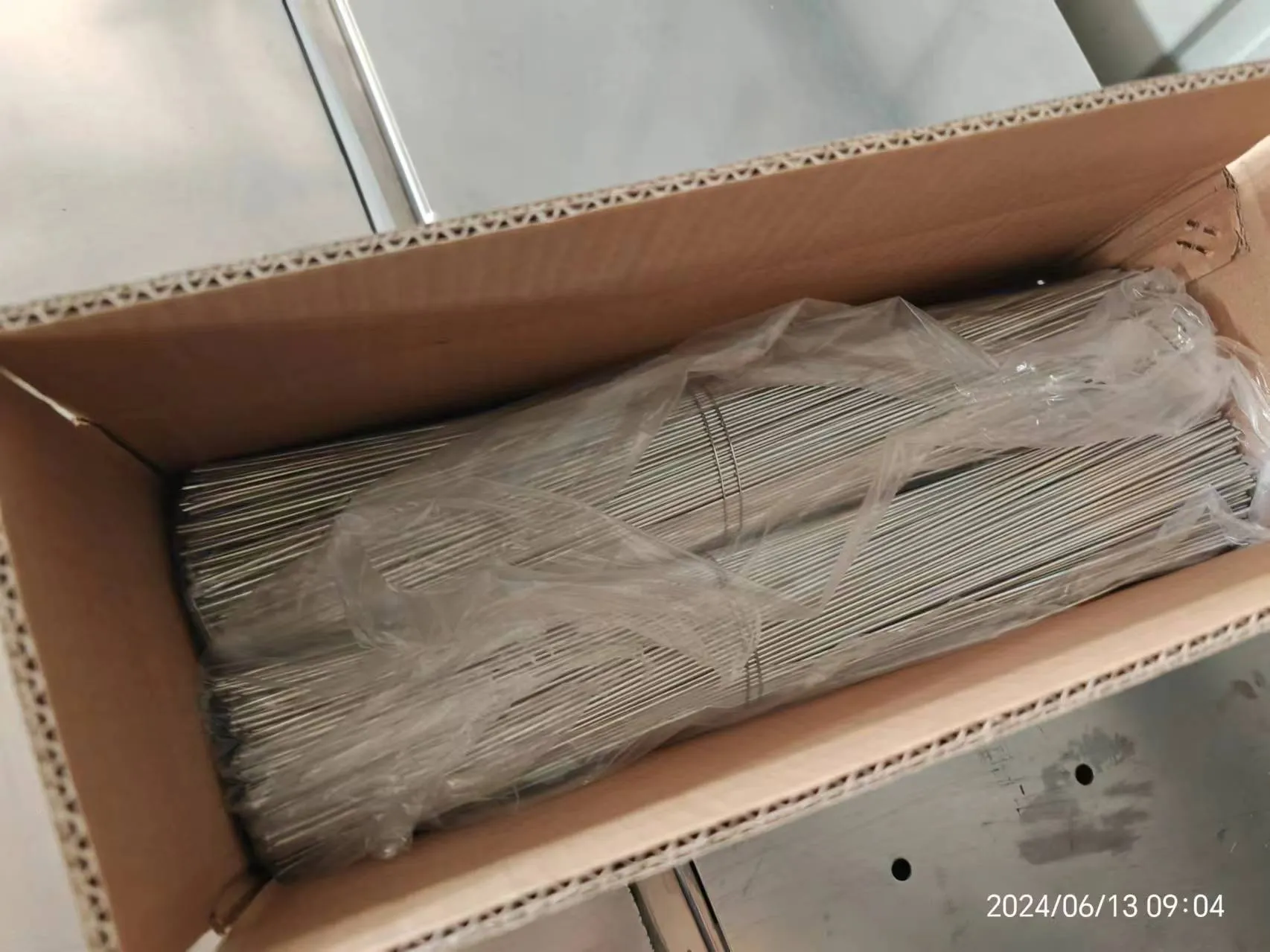
The primary material for coil nails is typically carbon steel, with varying grades selected based on desired strength and ductility. Commonly utilized steel compositions include SAE 1008 and 1010, providing a balance of formability during manufacturing and adequate tensile strength for load-bearing applications. Surface treatment is critical for corrosion resistance. Options include bright basic coating (zinc coating), electro-galvanizing, hot-dip galvanizing, and specialized polymer coatings (e.g., epoxy). Hot-dip galvanizing provides the most robust corrosion protection, albeit at a higher cost. Manufacturing begins with wire drawing, reducing the steel diameter to the required nail shank size. This is followed by heading, forming the nail head. The collation process is a key aspect of coil nail production. Nails are arranged in a continuous strip using plastic, paper, or wire collation. Plastic collation offers higher strength and reduced susceptibility to moisture damage. Precise tooling and quality control are vital to maintain consistent nail angle and spacing within the coil. Parameter control during heading includes monitoring impact force, die temperature, and head upset ratio to ensure uniform head formation. Wire quality (chemical composition, surface finish) is continuously monitored to prevent defects. Welding, if used to join collation materials, must be performed with minimal heat input to prevent material degradation.
Performance & Engineering
The performance of coil nails is dictated by a complex interplay of factors, including material properties, nail geometry, and applied loads. Shear strength, the nail's resistance to sideways forces, is a critical parameter, particularly in applications subject to racking or wind loads. Tensile strength, the resistance to pulling forces, is important for applications where nails are directly loaded in tension. Nail penetration depth is also crucial; insufficient penetration compromises holding power. Engineering analysis involves calculating the bending moment capacity of the nail shank and the shear stress at the nail-wood interface. Environmental resistance is paramount; prolonged exposure to moisture, temperature fluctuations, and corrosive agents can lead to nail degradation and loss of holding power. Code compliance mandates adherence to specific nail sizes, spacing, and patterns based on structural requirements, as outlined in building codes (e.g., International Building Code – IBC). Fatigue resistance is another important consideration, especially in structures subject to repetitive loading. Nail collation must maintain integrity under stress to prevent jams and misfires, which can compromise structural integrity and worker safety. Proper nailer maintenance, including lubrication and cleaning, is essential to maintain optimal performance and prevent malfunctions.
Technical Specifications
| Nail Length (inch) | Gauge (AWG) | Shank Material | Coating Type | Tensile Strength (PSI) | Shear Strength (PSI) |
|---|---|---|---|---|---|
| 1 | 16 | SAE 1008 Carbon Steel | Bright Basic Coating | 80,000 | 60,000 |
| 3 | 16 | SAE 1010 Carbon Steel | Electro-Galvanized | 95,000 | 75,000 |
| 4 | 16 | SAE 1010 Carbon Steel | Hot-Dip Galvanized | 105,000 | 85,000 |
| 1 | 15 | SAE 1008 Carbon Steel | Bright Basic Coating | 90,000 | 70,000 |
| 3 | 15 | SAE 1010 Carbon Steel | Electro-Galvanized | 110,000 | 90,000 |
| 4 | 15 | SAE 1010 Carbon Steel | Hot-Dip Galvanized | 120,000 | 100,000 |
Failure Mode & Maintenance
Coil nail failure can manifest in several ways. Fatigue cracking, initiated by cyclic loading, can lead to progressive crack growth and eventual nail failure. This is exacerbated by stress concentrations at the nail head or shank. Corrosion, particularly in untreated or poorly coated nails, weakens the nail shank and reduces its load-carrying capacity. Hydrogen embrittlement, a phenomenon observed in high-strength steel nails exposed to corrosive environments, can lead to brittle fracture. Shear deformation occurs when the shear stress exceeds the material's shear strength, causing the nail to break or pull through the wood. Delamination of the coating can expose the underlying steel to corrosion. Maintenance includes proper storage of coil nails in a dry environment to prevent rust. Nailers should be regularly cleaned and lubricated to ensure smooth operation and prevent jams. Inspect nails for signs of corrosion or damage before use. Replace any damaged or corroded nails. Ensure the nailer is properly adjusted to drive nails to the correct depth. Regularly inspect fastened connections for signs of loosening or failure.
Industry FAQ
Q: What is the impact of nail gauge on holding power?
A: Nail gauge, expressed as the American Wire Gauge (AWG) number, inversely correlates with nail diameter. A lower gauge number indicates a thicker nail, generally providing greater holding power, particularly in shear. However, thicker nails require more driving force and may be more prone to splitting the wood, especially in hardwoods. The optimal gauge depends on the application and wood species.
Q: How does the coating type affect the long-term performance of coil nails in exterior applications?
A: Coating type is critical for corrosion resistance. Bright basic coating offers minimal protection and is suitable only for interior, dry applications. Electro-galvanizing provides moderate protection but can still corrode over time. Hot-dip galvanizing offers superior long-term protection against corrosion, making it ideal for exterior applications. Polymer coatings (e.g., epoxy) can provide excellent corrosion resistance and aesthetic appeal.
Q: What considerations should be made when selecting coil nails for pressure-treated lumber?
A: Pressure-treated lumber contains chemicals that are highly corrosive to certain metals. It’s crucial to use coil nails specifically designed for use with pressure-treated lumber, typically featuring hot-dip galvanizing or stainless steel construction. Standard electro-galvanized nails will corrode rapidly in contact with treated wood, leading to premature failure.
Q: What are the implications of using incorrectly sized coil nails for a specific application?
A: Using incorrectly sized nails can compromise structural integrity. Nails that are too short may not achieve sufficient penetration, reducing holding power. Nails that are too long can protrude through the material, creating a safety hazard or damaging the surface. Incorrect nail spacing can also lead to inadequate load distribution and structural failure. Always adhere to building code requirements and manufacturer's recommendations.
Q: How does the collation type (plastic, paper, wire) influence nailer performance and reliability?
A: Plastic collation generally offers the highest strength and is less susceptible to moisture damage, making it a preferred choice for demanding applications. Paper collation is less expensive but can be prone to disintegration in humid environments, leading to jams. Wire collation provides good strength but can sometimes cause feed issues. Nailer compatibility with the collation type is also critical for reliable operation.
Conclusion
Coil nails represent a sophisticated fastening solution, balancing efficiency with critical engineering properties. The selection process demands careful consideration of material science, manufacturing tolerances, and intended application. Understanding the nuances of nail gauge, shank material, coating type, and collation method is paramount for achieving long-term structural integrity and preventing premature failure. Proper maintenance of both nails and nailers is essential to maximize performance and ensure worker safety.
Future advancements in coil nail technology are likely to focus on enhanced corrosion resistance through novel coating materials and alloy compositions, as well as improved collation methods to minimize jams and enhance nailer efficiency. Further research into fatigue behavior and stress distribution within fastened connections will contribute to more robust and reliable fastening systems. Adherence to evolving building codes and industry standards will remain crucial for ensuring the safe and effective use of coil nails in construction and woodworking projects.