



Introduction
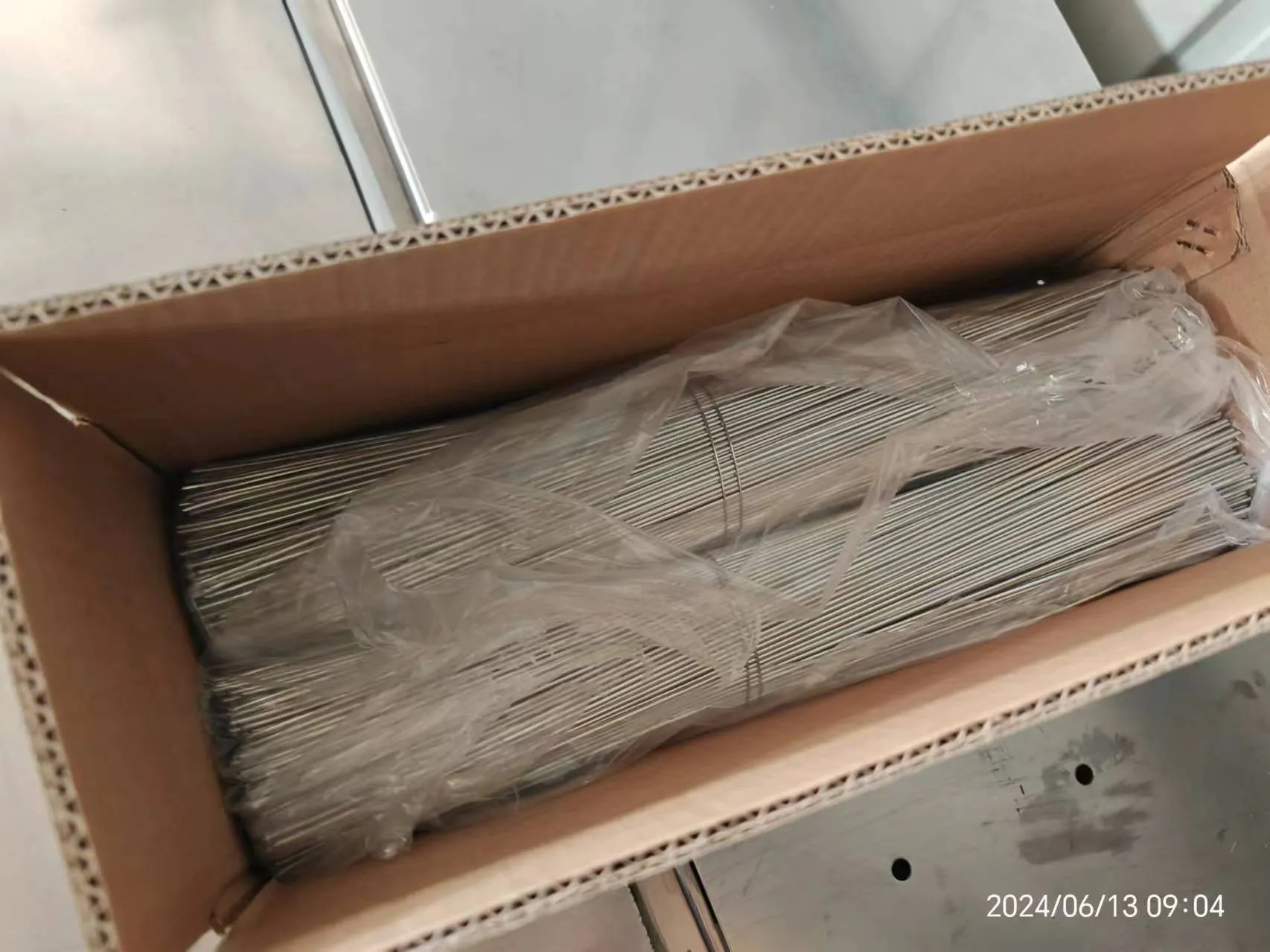
The process of fastening materials into concrete, commonly referred to as nailing into concrete, presents unique engineering challenges compared to fastening into traditional wood or metal substrates. Concrete, a composite material comprising cement, aggregates (sand, gravel, or crushed stone), and water, possesses high compressive strength but relatively low tensile strength. Traditional nails, designed to leverage shear and friction within fibrous materials, are ineffective in concrete due to the material’s inherent brittleness. Therefore, specialized fasteners and techniques are employed. This guide details the optimal methodologies for secure and durable concrete fastening, encompassing material science, engineering principles, common failure modes, and relevant industry standards. The core performance characteristics center around pull-out resistance, shear strength, and long-term durability, addressing the primary industry pain point of reliable anchoring in structurally demanding applications. This necessitates a departure from conventional nailing techniques and a focus on expansion-based or chemically-bonded anchoring solutions.
Material Science & Manufacturing
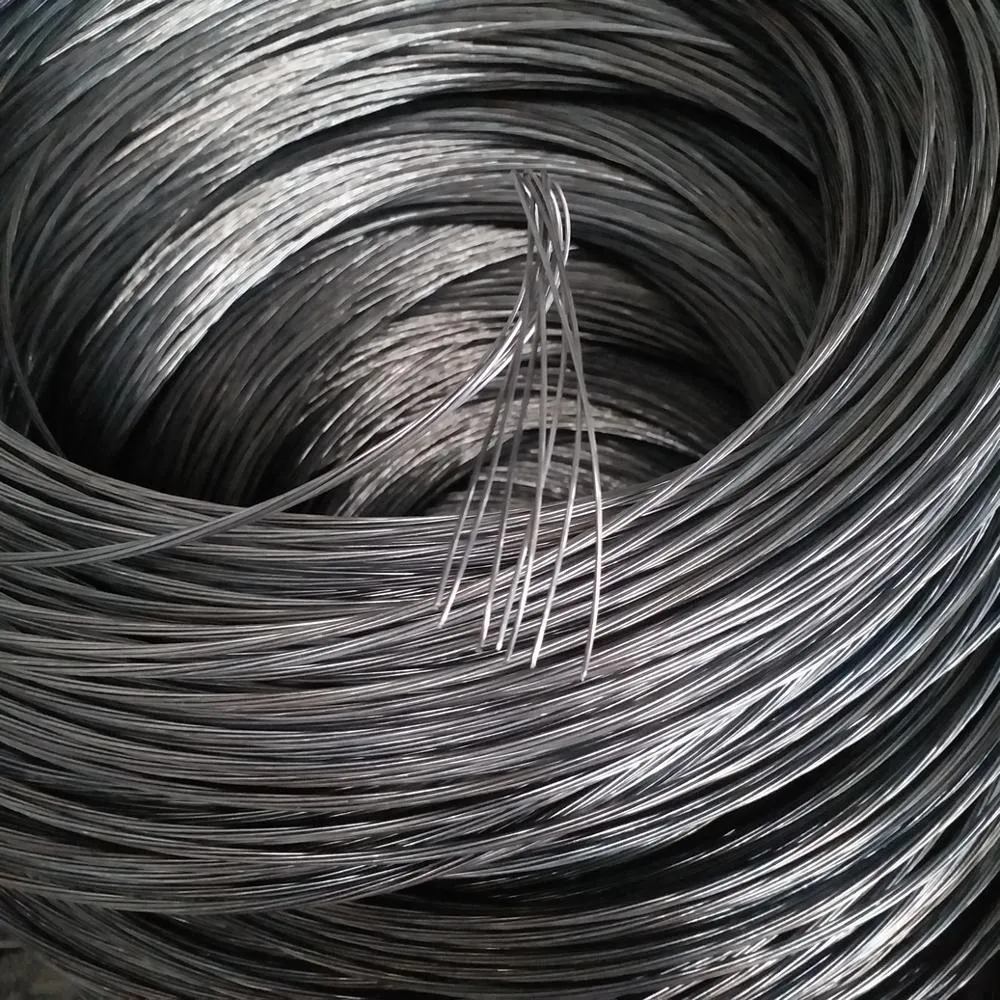
Concrete’s material properties are critical to fastener selection. Cement hydration, the chemical process forming the concrete matrix, results in a complex microstructure. The aggregate type (siliceous, calcareous, etc.) influences both compressive and tensile strength, as does the water-to-cement ratio. Fasteners utilized for concrete, often termed ‘concrete nails’ or more accurately, concrete screws, expansion anchors, or sleeve anchors, are typically manufactured from high-strength carbon steel (typically AISI 1045 or equivalent) or stainless steel (AISI 304/316). These materials undergo processes like cold forming, heat treatment, and surface coating (zinc plating, hot-dip galvanization, or epoxy coating) to enhance corrosion resistance. The manufacturing of expansion anchors involves precision machining to create expanding sleeves or wedges. Sleeve anchors, for instance, are formed with a tapered cone that, when driven into the concrete, expands the sleeve against the borehole walls, generating frictional force. Concrete screws feature hardened threads designed to cut into the concrete matrix. Critical manufacturing parameters include thread pitch, cone angle (for expansion anchors), and coating thickness. Quality control focuses on dimensional accuracy, material hardness, and coating integrity, ensuring consistent performance. The correct selection of fastener material must account for the concrete's pH level to mitigate potential corrosion.
Performance & Engineering
The performance of a concrete fastener is governed by several key engineering principles. Pull-out resistance, the force required to extract the fastener from the concrete, depends on the anchor type, embedment depth, borehole diameter, and concrete compressive strength. Expansion anchors rely on radial pressure between the expanding component and the concrete. Shear strength, the fastener's ability to resist lateral forces, is related to the frictional force developed at the concrete-fastener interface and the fastener’s shear area. Finite element analysis (FEA) is often employed to model stress distribution within the concrete and fastener, optimizing anchor geometry and material selection. Environmental resistance is also a crucial consideration. Concrete is porous and susceptible to moisture ingress, potentially leading to corrosion of embedded steel fasteners. Therefore, corrosion-resistant materials and protective coatings are essential, particularly in harsh environments (marine, industrial). Compliance requirements, dictated by building codes and industry standards, specify minimum safety factors and performance criteria for concrete fasteners. Proper installation is paramount; insufficient embedment depth, oversized boreholes, or improper torque can significantly reduce fastener performance and lead to premature failure. Consideration must be given to edge distances and spacing between fasteners to prevent concrete cracking and spalling.
Technical Specifications
| Fastener Type | Material | Minimum Tensile Strength (MPa) | Recommended Embedment Depth (mm) | Suitable Concrete Strength (MPa) | Typical Applications |
|---|---|---|---|---|---|
| Sleeve Anchor | Carbon Steel (Zinc Plated) | 400 | 60 | 25 | Light-duty fixtures, shelving |
| Wedge Anchor | Carbon Steel (Hot-Dip Galvanized) | 500 | 75 | 30 | Medium-duty structural supports, handrails |
| Concrete Screw | Case-Hardened Carbon Steel | 600 | 40 | 20 | Electrical boxes, light fixtures, furring strips |
| Drop-In Anchor | Stainless Steel (304) | 700 | 50 | 35 | Suspended ceilings, mechanical systems |
| Chemical Anchor (Epoxy) | Stainless Steel (316) | 800 | 80 | 40 | Heavy-duty structural connections, seismic applications |
| Sleeve Anchor (Stainless Steel) | Stainless Steel (304) | 550 | 70 | 25 | Corrosive environments, exterior applications |
Failure Mode & Maintenance
Concrete fastener failures typically manifest as pull-out, shear failure, concrete cracking, or corrosion. Pull-out occurs when the anchor's holding capacity is exceeded, causing it to detach from the concrete. Shear failure arises from excessive lateral forces, leading to fastener breakage or deformation. Concrete cracking and spalling can result from improper installation (oversized boreholes, insufficient edge distance) or excessive loading, compromising the anchor's effectiveness. Corrosion, particularly with carbon steel fasteners in chloride-rich environments, weakens the material and reduces its load-bearing capacity. Regular inspection is critical for preventative maintenance. Visual checks should focus on signs of corrosion, cracking around the anchor, or movement of the attached component. Torque checks can verify the fastener’s tightness. For chemically bonded anchors, periodic pull-out tests can assess the anchor’s remaining capacity. In corrosive environments, consider replacing carbon steel fasteners with stainless steel alternatives. If concrete cracking is observed, consult a structural engineer to evaluate the damage and implement appropriate repairs, potentially including epoxy injection or localized concrete patching. Proper sealing of the borehole during installation can also minimize moisture ingress and corrosion risks.
Industry FAQ
Q: What is the primary difference between a sleeve anchor and a wedge anchor in terms of load capacity and application?
A: Sleeve anchors generally have lower load capacities compared to wedge anchors. Sleeve anchors are best suited for lighter-duty applications where the concrete strength is moderate. Wedge anchors, featuring a more aggressive expansion mechanism, provide significantly higher pull-out and shear strength, making them ideal for medium to heavy-duty structural connections and applications requiring greater reliability in higher-strength concrete.
Q: How does borehole cleaning impact the performance of chemical anchors?
A: Thorough borehole cleaning is paramount for chemical anchor performance. Dust and debris within the borehole prevent proper adhesion between the resin and the concrete, significantly reducing load capacity. The borehole must be cleaned using compressed air, a wire brush, and potentially a vacuum to remove all loose particles before injecting the resin and inserting the threaded rod.
Q: What factors should be considered when selecting a fastener for a cracked concrete application?
A: Fasteners used in cracked concrete must be capable of maintaining load capacity even with concrete movement. Chemical anchors with specially formulated resins designed for cracked concrete are generally preferred. These resins exhibit enhanced flexibility and adhesion properties. The fastener must also meet specific performance criteria outlined in standards like ICC-ES AC308.
Q: What is the role of edge distance in preventing concrete spalling around a concrete fastener?
A: Edge distance refers to the distance from the center of the fastener to the nearest edge of the concrete. Insufficient edge distance can create stress concentrations, leading to concrete cracking and spalling under load. Minimum edge distance requirements are specified in fastener manufacturers' data sheets and relevant building codes. Adhering to these guidelines is crucial for maintaining the integrity of the concrete structure.
Q: How does concrete moisture content affect the long-term performance of a concrete fastener?
A: High concrete moisture content can accelerate corrosion of carbon steel fasteners. It can also interfere with the curing process of chemical adhesives, reducing their bond strength. In high-moisture environments, stainless steel fasteners or epoxy-coated carbon steel fasteners are recommended. Proper drainage and ventilation can also help mitigate the effects of moisture.
Conclusion
Successfully “nailing” into concrete requires a comprehensive understanding of concrete material science, fastener mechanics, and installation best practices. Traditional nailing is demonstrably ineffective; reliance on specialized anchoring systems – expansion anchors, concrete screws, and chemical anchors – is essential. The selection of the appropriate fastener type depends on the anticipated load, concrete strength, environmental conditions, and building code requirements. Proper installation, including correct borehole preparation, embedment depth, and torque application, is paramount to ensure long-term performance and structural integrity.
Ongoing inspection and maintenance are critical for identifying and addressing potential failure modes, such as corrosion or concrete cracking. Adhering to established industry standards and manufacturer’s guidelines will mitigate risks and ensure the durability of concrete connections. Continued advancements in anchoring technology, particularly in the development of high-performance resins and corrosion-resistant materials, will further enhance the reliability and longevity of concrete fastening systems.