



Introduction
Concrete nail 1, a fundamental fastening element in the construction industry, is a hardened steel nail designed for the direct fixation of materials into concrete, brick, and other masonry substrates. Its technical position within the construction supply chain is as a critical component for structural and non-structural applications, including formwork, cladding, and general construction fastening. Core performance characteristics are defined by its shear strength, tensile strength, bending resistance, and resistance to corrosion. Unlike traditional wood nails, concrete nails are engineered to withstand the compressive forces inherent in masonry materials and to minimize spalling or cracking of the substrate during installation. This guide provides a comprehensive technical overview of concrete nails, encompassing material science, manufacturing processes, performance analysis, potential failure modes, and relevant industry standards.
Material Science & Manufacturing
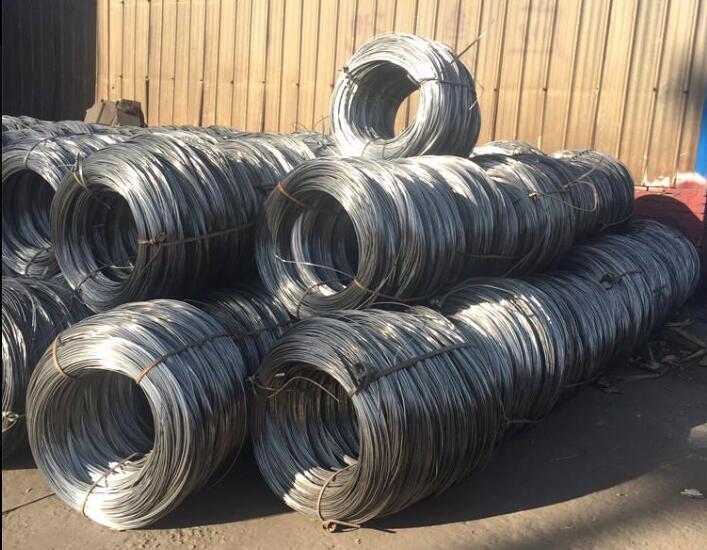
Concrete nails are typically manufactured from high-carbon steel, specifically SAE 1045 or equivalent, chosen for its hardness, tensile strength, and weldability. The raw material undergoes a series of processes to achieve the required mechanical properties. Initial steel stock is drawn into wire of the desired diameter, typically ranging from 2.5mm to 4.0mm. This wire is then subjected to heat treatment, involving austenitizing, quenching, and tempering, to increase its hardness and ductility. The precise temperature and duration of these processes are critical parameters, influencing the final microstructure and mechanical performance. Following heat treatment, the wire is typically coated to enhance corrosion resistance. Common coatings include galvanized zinc, epoxy powder coating, or a combination thereof. The galvanization process involves immersing the nails in molten zinc, creating a protective barrier against atmospheric corrosion. Epoxy coatings provide an additional layer of protection, particularly in harsh environments. Nail head formation is achieved through cold heading, a process where the wire is forced into a die, shaping the head without the application of heat. This process work-hardens the head, further increasing its strength. The point is then sharpened through a grinding or cutting process. Quality control throughout the manufacturing process includes dimensional checks, hardness testing (Rockwell C scale), and coating thickness measurements to ensure adherence to specifications. The steel's chemical composition is crucial; the carbon content typically ranges from 0.40% to 0.50%, with manganese, silicon, and phosphorus present in controlled amounts to improve hardenability and ductility. The manufacturing process is sensitive to variations in wire diameter, heat treatment parameters, and coating uniformity, which can significantly impact the nail's performance.
Performance & Engineering
The performance of concrete nail 1 is largely determined by its ability to resist shear and tensile forces within the concrete substrate. Force analysis indicates that the holding power is a function of the nail's diameter, length, steel grade, and the compressive strength of the concrete. The nail relies on friction between the nail shaft and the concrete, as well as mechanical interlock created by the flutes or rings often present on the nail shank. During installation, impact forces generate stresses within the concrete, leading to localized compression and radial expansion. The nail's design must accommodate these stresses to prevent cracking or spalling of the concrete. Environmental resistance is a key consideration. Exposure to moisture, chlorides, and temperature fluctuations can accelerate corrosion, reducing the nail's holding power. Therefore, appropriate coatings are essential for long-term durability. Compliance requirements vary depending on the application and geographic location. In seismic zones, nails used for structural applications must meet specific requirements for ductility and energy absorption. The nail's shank geometry significantly influences its performance. Spiral flutes, for example, increase the surface area in contact with the concrete, enhancing frictional resistance. Ring shanks provide localized expansion, creating a tighter grip. The nail head’s size and shape are also critical, ensuring adequate bearing area and preventing pull-through. Finite Element Analysis (FEA) is commonly used in the design process to optimize nail geometry and predict its performance under various loading conditions. The allowable load capacity of a concrete nail is typically determined through pull-out testing, conducted in accordance with established standards. Factors of safety are applied to account for variations in material properties, installation quality, and environmental conditions.
Technical Specifications
| Parameter | Specification | Test Method | Units |
|---|---|---|---|
| Nail Diameter | 2.8 x 3.3 mm | Micrometer | mm |
| Nail Length | 50 mm | Ruler/Caliper | mm |
| Steel Grade | SAE 1045 Equivalent | Chemical Analysis | - |
| Tensile Strength | ≥ 800 | ASTM F1667 | MPa |
| Shear Strength | ≥ 500 | ASTM F1667 | MPa |
| Coating Type | Galvanized Zinc (8 μm min) | ASTM B695 | μm |
| Head Diameter | 8.3 mm | Micrometer | mm |
Failure Mode & Maintenance
Concrete nail 1 is susceptible to several failure modes. Shear failure occurs when the nail’s shaft buckles under excessive shear stress, typically resulting from lateral loads. Tensile failure occurs when the nail is pulled directly out of the concrete, exceeding its tensile strength. This can be caused by excessive tensile forces or a compromised concrete substrate. Corrosion is a significant contributor to failure, particularly in marine or industrial environments. Rust weakens the nail's steel, reducing its cross-sectional area and ultimate strength. Hydrogen embrittlement, a phenomenon where hydrogen atoms diffuse into the steel lattice, can also contribute to brittle fracture. Fatigue cracking can occur under cyclic loading, initiating at stress concentrations around the nail head or shank features. Delamination of the concrete surrounding the nail can reduce its holding power, particularly in lower-strength concrete. Oxidation, even in coated nails, can occur if the coating is damaged or compromised. Maintenance primarily focuses on preventative measures. Regular inspection of installed nails can identify early signs of corrosion or damage. Applying protective coatings to the nail heads can provide an additional barrier against corrosion. In cases of localized corrosion, replacing the affected nails is recommended. For critical structural applications, non-destructive testing methods, such as ultrasonic inspection, can be used to assess the integrity of the nails without removing them. Proper installation techniques, including correct nail spacing and driving angle, are crucial to prevent premature failure. Avoid overdriving the nail, which can damage the surrounding concrete. When using epoxy-coated nails, ensure the coating is not damaged during installation.
Industry FAQ
Q: What is the impact of concrete compressive strength on the holding power of concrete nail 1?
A: Higher concrete compressive strength generally results in increased holding power. The nail relies on friction and mechanical interlock with the concrete, and stronger concrete provides a greater resistance to deformation, enhancing both friction and interlock. However, excessively high compressive strength can also increase the risk of concrete cracking during nail installation, potentially reducing holding power. The optimal compressive strength range depends on the nail's design and intended application.
Q: How does the coating type affect the long-term performance of concrete nails in a coastal environment?
A: In coastal environments, the high chloride concentration accelerates corrosion. Galvanized zinc coatings offer a basic level of protection, but epoxy powder coatings provide superior resistance to chloride ingress and corrosion. A duplex coating system, combining galvanization with an epoxy topcoat, offers the highest level of protection. Regular inspection is still crucial, as even the most robust coatings can be compromised over time.
Q: What is the recommended nail spacing for a typical concrete formwork application?
A: Recommended nail spacing for concrete formwork typically ranges from 150mm to 300mm, depending on the formwork material (e.g., plywood, steel) and the concrete pressure. Closer spacing provides greater rigidity and prevents formwork deflection. It's essential to consult the formwork manufacturer's guidelines and relevant building codes for specific requirements.
Q: What factors should be considered when selecting the appropriate nail length for a given concrete thickness?
A: Nail length should be at least five times the thickness of the concrete being fastened. This ensures adequate penetration and sufficient embedment length for optimal holding power. The nail should also penetrate a minimum of 25mm into the substrate. Consider the thickness of any attached materials (e.g., furring strips, insulation) when determining the required nail length.
Q: What testing standards are used to verify the performance characteristics of concrete nails?
A: Key testing standards include ASTM F1667 (Standard Test Method for Evaluation of Concrete Fastening Anchors), ASTM A153 (Standard Specification for Zinc Coating of Iron and Steel Hardware), and ASTM B695 (Standard Specification for Coating Hot-Dip Galvanized Hardware with Zinc-rich Primer Paint). ISO standards may also be relevant, depending on the region and specific application.
Conclusion
Concrete nail 1 remains a critical fastening solution in the construction industry due to its simplicity, cost-effectiveness, and reliable performance when properly specified and installed. Understanding the material science, manufacturing processes, and performance characteristics of these nails is essential for ensuring structural integrity and long-term durability. Selection criteria must consider the concrete's compressive strength, environmental conditions, and the specific loading requirements of the application.
Continued advancements in coating technologies and nail shank geometries are enhancing the corrosion resistance and holding power of concrete nails. Future developments may focus on the integration of smart materials and sensors for real-time monitoring of nail performance and early detection of potential failures. Proper installation techniques, adherence to relevant industry standards, and regular inspection remain paramount for maximizing the lifespan and reliability of concrete nail fastening systems.