



Introduction
The 2-inch concrete nail is a critical fastening element in construction, primarily utilized for securing materials to concrete, brick, and other masonry substrates. Functionally positioned within the fastening technology sector, it provides a rapid and robust mechanical anchoring solution, differing significantly from chemically-set anchors or expansion bolts in its application and installation methodology. Its core performance characteristics revolve around shear strength, tensile strength, and resistance to withdrawal under applied loads. The nail's effectiveness hinges on its ability to displace the concrete aggregate and create a mechanical interlock, offering a cost-effective and readily deployable fastening method. A key pain point in the industry is ensuring consistent holding power across varying concrete densities and compositions, coupled with mitigating the risk of concrete spalling during installation. This guide provides a comprehensive technical analysis of 2-inch concrete nails, covering material science, manufacturing processes, performance parameters, failure modes, and relevant industry standards.
Material Science & Manufacturing
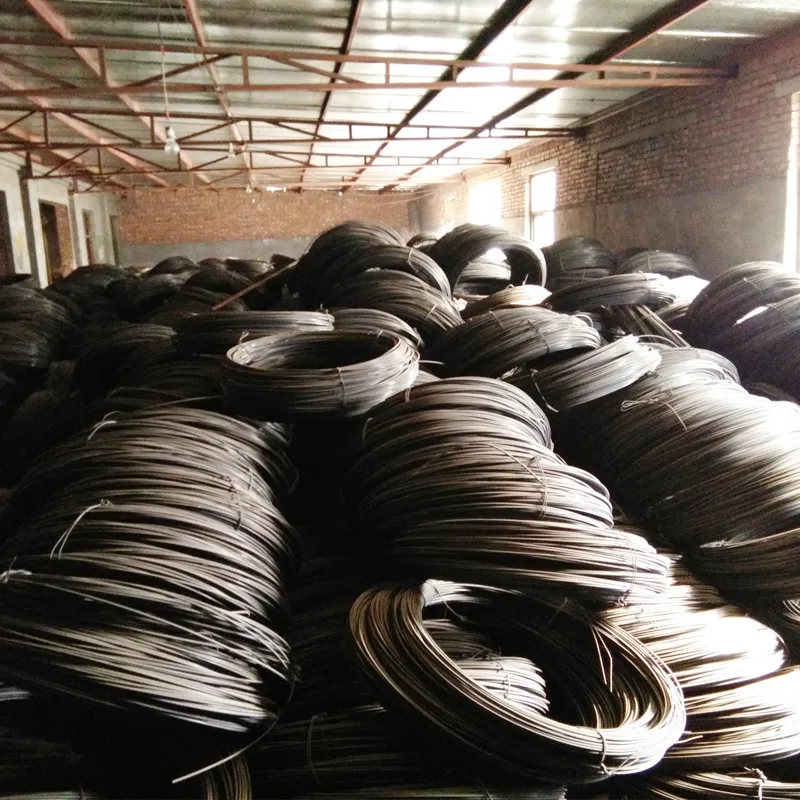
Concrete nails are predominantly manufactured from high-carbon steel, specifically AISI 1045 or equivalent, selected for its high tensile strength and hardness. The steel composition typically includes manganese (0.60-0.90%), silicon (0.15-0.35%), phosphorus (≤0.040%), and sulfur (≤0.050%) to enhance hardenability and ductility. Manufacturing begins with cold drawing of steel wire to achieve the desired diameter. This cold working process increases the steel’s yield strength through strain hardening. The nail body is then formed through a heading process, shaping the nail head. Critical parameters during heading include die temperature, impact force, and heading speed, all influencing head geometry and material density. Following heading, the nails undergo a heat treatment process – typically hardening followed by tempering – to achieve the desired balance of hardness and toughness. Hardening is often accomplished through quenching in oil or water, while tempering reduces brittleness and improves impact resistance. A final surface treatment, typically bright phosphate coating or galvanization, provides corrosion resistance. Galvanization, involving a zinc coating applied via hot-dip or electroplating, offers superior long-term corrosion protection, particularly in exposed environments. The quality of the coating is crucial, impacting the nail's lifespan and resistance to electrochemical corrosion when in contact with dissimilar metals.
Performance & Engineering
The performance of a 2-inch concrete nail is primarily governed by its shear and tensile strength, directly influencing its load-bearing capacity. Engineering calculations consider the concrete’s compressive strength (f’c), the nail’s diameter, and the depth of embedment. The nail's shank experiences shear stress as the applied load attempts to slide it out of the concrete. Tensile stress develops along the shank as the load attempts to pull the nail directly out. The holding power is dictated by the frictional forces between the nail shank and the displaced concrete aggregate. Finite element analysis (FEA) is employed to model stress distribution and predict failure loads. Environmental resistance is also a significant factor. Repeated exposure to freeze-thaw cycles can induce tensile stresses within the concrete, potentially leading to cracking and reduced nail holding capacity. Similarly, chloride ingress in marine environments can accelerate corrosion of the nail steel, weakening its structural integrity. Compliance requirements, such as those outlined in ICC-ES AC318 (Acceptance Criteria for Concrete Anchors), dictate minimum performance criteria for concrete fasteners, including safety factors and allowable stress levels. Installation angle significantly impacts performance; nails driven perpendicular to the concrete surface exhibit optimal holding power, while angled installation reduces load-bearing capacity.
Technical Specifications
| Parameter | Typical Value | Testing Standard | Units |
|---|---|---|---|
| Nail Length | 2 inches (50.8 mm) | ASTM F1667 | in/mm |
| Nail Diameter | 0.120 - 0.148 | ASTM F1667 | in |
| Steel Type | AISI 1045 (or equivalent) | ASTM A108 | - |
| Minimum Tensile Strength | 80,000 | ASTM F1667 | psi |
| Minimum Shear Strength | 60,000 | ASTM F1667 | psi |
| Coating | Bright Phosphate / Hot-Dip Galvanized | ASTM B695 | - |
Failure Mode & Maintenance
Concrete nails are susceptible to several failure modes. Shear failure occurs when the applied load exceeds the shear strength of the nail shank and the concrete interface, causing the nail to slide out. Tensile failure happens when the applied load exceeds the tensile strength of the nail, leading to shank fracture. Concrete spalling, a common failure mode, involves the fracturing of the surrounding concrete, reducing the nail’s embedment depth and holding power. This is often exacerbated by improper installation techniques or low concrete strength. Corrosion is a long-term degradation mechanism, particularly in chloride-rich environments, leading to reduced nail cross-section and decreased strength. Fatigue cracking can occur under cyclic loading, initiating at stress concentrations near the nail head or shank surface. Maintenance typically involves visual inspection for signs of corrosion or concrete deterioration. Severely corroded nails should be replaced. Preventative measures include utilizing corrosion-resistant coatings, ensuring proper concrete curing, and avoiding excessive mechanical shock to the fastened assembly. Addressing any observed concrete cracking promptly can also extend the fastener's service life. Regular torque checks on associated components can help detect potential loosening and prevent premature failure.
Industry FAQ
Q: What is the effect of concrete compressive strength on the holding power of a 2-inch concrete nail?
A: Higher concrete compressive strength generally correlates with increased holding power. Stronger concrete provides greater resistance to displacement and generates higher frictional forces along the nail shank. However, this relationship is not linear, and excessively high strength concrete can be more prone to spalling if the nail is improperly installed.
Q: How does the nail's coating affect its long-term performance in coastal environments?
A: Hot-dip galvanization provides significantly superior corrosion resistance compared to bright phosphate coating in coastal environments. Chloride ions in saltwater accelerate corrosion of unprotected steel. Galvanized nails create a sacrificial barrier, protecting the steel substrate from corrosion.
Q: What installation techniques minimize the risk of concrete spalling?
A: Using a carbide-tipped nail gun with appropriately adjusted air pressure is crucial. Pre-drilling pilot holes, especially in dense or brittle concrete, can significantly reduce spalling. Avoiding excessive hammering force and ensuring the nail is driven perpendicular to the surface are also essential.
Q: What is the typical safety factor applied to concrete nail holding values in structural applications?
A: Safety factors vary depending on the application and governing building codes. However, a common safety factor of 4.0 is applied to tensile and shear loads calculated using allowable stress design (ASD) methodologies. Load and Resistance Factor Design (LRFD) utilizes different load combinations and resistance factors.
Q: Can concrete nails be used in cracked concrete?
A: Using concrete nails in cracked concrete is generally not recommended, as the cracks reduce the effective embedment depth and diminish the nail's holding power. If absolutely necessary, a larger diameter nail and increased embedment depth should be considered, and a qualified structural engineer should assess the situation.
Conclusion
The 2-inch concrete nail remains a vital fastener in a wide range of construction applications, prized for its speed, simplicity, and cost-effectiveness. However, achieving reliable and durable performance requires a thorough understanding of the material science, manufacturing processes, and engineering principles governing its behavior. Critical factors such as concrete strength, environmental conditions, and proper installation techniques must be carefully considered to mitigate potential failure modes.
Future advancements in concrete nail technology may focus on developing enhanced coating systems providing even greater corrosion resistance, optimizing nail head geometry to maximize pull-out resistance, and exploring alternative steel alloys with superior mechanical properties. Continuous research and adherence to established industry standards are paramount to ensuring the safe and reliable application of this ubiquitous fastening element.