



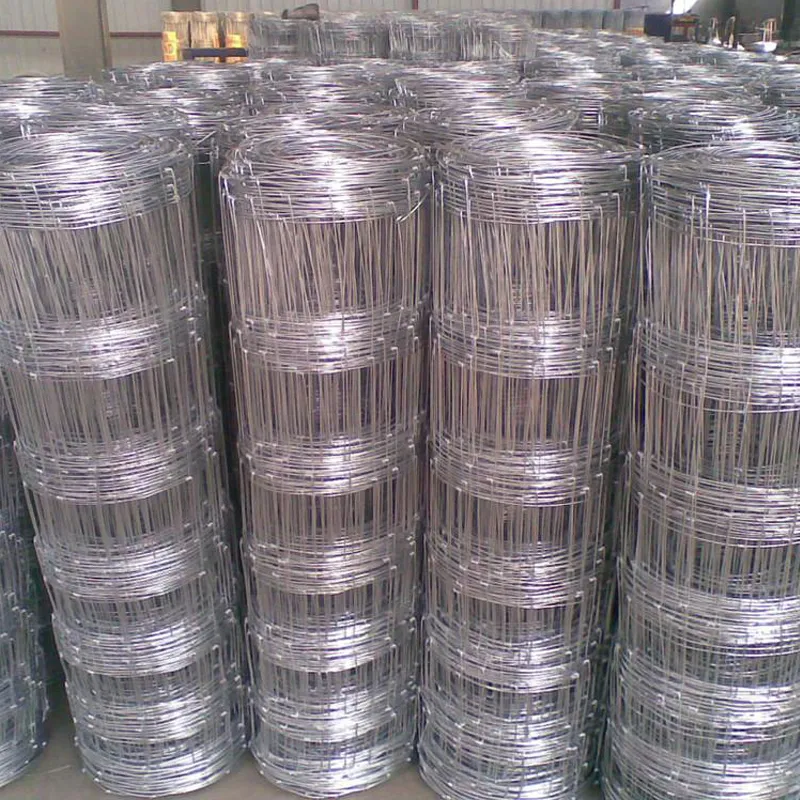
Introduction
Concrete nails, typically manufactured from hardened steel wire, represent a critical fastening solution within the construction industry. Their price per kilo is a significant cost factor in large-scale projects. This technical guide details the material science, manufacturing processes, performance characteristics, potential failure modes, and relevant industry standards associated with concrete nails. The primary function of these nails is to securely fasten materials – often wood or metal – directly into concrete or masonry substrates, offering a rapid and efficient alternative to drilling and anchoring systems. Understanding the nuances of their construction and material properties is paramount to ensuring structural integrity and long-term performance. Price variations are intrinsically linked to steel grade, coating, nail diameter, length, and production volume. This document analyzes these factors from a B2B perspective, assisting procurement managers and engineers in informed decision-making.
Material Science & Manufacturing
Concrete nails are predominantly manufactured from high-carbon steel, typically AISI 1045 or similar grades. This steel possesses a carbon content ranging from 0.45% to 0.60%, imparting the necessary hardness and tensile strength for concrete penetration. The manufacturing process begins with wire drawing, where steel rods are pulled through a series of dies to achieve the desired nail diameter – common sizes range from 2.5mm to 4.5mm. Following wire drawing, the steel undergoes heat treatment, specifically hardening and tempering. Hardening, often achieved through quenching in oil or water, increases the steel’s brittleness and resistance to deformation. Tempering, a subsequent process of reheating to a lower temperature, mitigates brittleness and enhances ductility, preventing catastrophic failure upon impact. Surface treatments are critical for corrosion resistance. Common coatings include galvanization (zinc plating), epoxy coating, or phosphate coating. Galvanization provides sacrificial protection, while epoxy and phosphate coatings create a barrier against moisture and chemical attack. Nail point geometry is crucial for concrete penetration. Nails can feature diamond points, chisel points, or blunt points, each suited to different concrete densities and application requirements. The final stage involves nail heading, forming the nail head using a cold forging process, ensuring dimensional accuracy and consistent impact force distribution. Control of the heat treatment process, specifically the austenitizing temperature and cooling rate, dictates the final microstructure and mechanical properties of the nail. Microstructural analysis reveals a martensitic matrix, refined grain size, and minimal non-metallic inclusions for optimal performance.
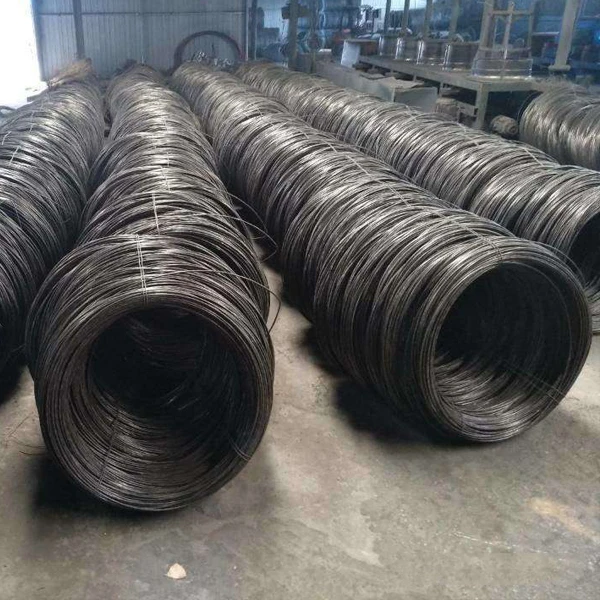
Performance & Engineering
The performance of concrete nails is fundamentally governed by their ability to withstand shear and tensile forces while embedded in concrete. Engineering considerations include withdrawal resistance, bending strength, and fatigue life. Withdrawal resistance is determined by the nail’s shank diameter, length, embedding depth, and the compressive strength of the concrete. A larger diameter and greater length increase withdrawal resistance, but also require greater insertion force. Bending strength, crucial for resisting lateral loads, is directly related to the steel's yield strength and the nail's cross-sectional area. Fatigue life, especially relevant in applications subject to dynamic loading (e.g., seismic zones), depends on the nail’s material properties, coating quality, and the frequency and amplitude of the applied load. Finite Element Analysis (FEA) is frequently employed to model the stress distribution within the nail and surrounding concrete, optimizing nail geometry and material selection. Environmental resistance is a significant performance parameter. Exposure to moisture, chlorides (from de-icing salts), and alkaline conditions can accelerate corrosion, reducing the nail’s strength and longevity. Coating selection, therefore, plays a pivotal role in mitigating these effects. Compliance requirements vary by region and application. In seismic regions, concrete nails must meet stringent performance criteria outlined in building codes, often necessitating specific steel grades and coating specifications. Pull-out tests, conducted in accordance with ASTM E119 or equivalent standards, are used to verify the nail’s load-carrying capacity and ensure compliance with regulatory requirements. The impact energy required for full penetration is also a critical parameter, and nail designs are optimized to minimize insertion force while maximizing holding power.
Technical Specifications
| Parameter | Unit | Typical Value (2.8mm x 50mm Nail) | Typical Value (4.2mm x 75mm Nail) |
|---|---|---|---|
| Nominal Diameter | mm | 2.8 | 4.2 |
| Length | mm | 50 | 75 |
| Steel Grade | - | AISI 1045 | AISI 1045 |
| Tensile Strength | MPa | 800-950 | 750-900 |
| Yield Strength | MPa | 600-750 | 550-700 |
| Hardness (HRC) | - | 45-55 | 40-50 |
| Coating | - | Galvanized / Epoxy | Galvanized / Epoxy |
| Withdrawal Capacity (Concrete 25 MPa) | kN | 2.5 | 4.0 |
| Price per Kilogram | USD | 3.5-5.0 | 5.0-7.5 |
Failure Mode & Maintenance
Concrete nails are susceptible to several failure modes. Brittle fracture, resulting from excessive impact force or low-temperature exposure, can cause the nail to snap during installation. Corrosion, particularly in chloride-rich environments, leads to pitting and reduction in cross-sectional area, diminishing the nail's strength and promoting premature failure. Shear failure occurs when the lateral load exceeds the nail’s shear capacity, resulting in the nail bending or breaking at the concrete interface. Withdrawal failure occurs when the applied tensile force overcomes the nail’s withdrawal resistance, causing it to pull out of the concrete. Fatigue failure, in cyclically loaded applications, initiates from microcracks at the nail head or shank, propagating over time until the nail fractures. Preventive maintenance is limited but crucial. Regular inspection for signs of corrosion is essential, especially in coastal environments or areas exposed to de-icing salts. If corrosion is detected, the affected nails should be replaced. Proper installation technique – ensuring perpendicular insertion and adequate embedding depth – minimizes stress concentrations and reduces the risk of bending or shear failure. Utilizing nails with appropriate coatings for the specific environmental conditions is critical. For heavily loaded applications, consider using larger diameter nails or alternative fastening systems (e.g., concrete anchors) to enhance load-carrying capacity and long-term reliability. Failure analysis often involves microscopic examination of fractured nails to identify the root cause of failure, informing material selection and manufacturing process improvements.
Industry FAQ
Q: What is the impact of concrete compressive strength on nail holding power?
A: Higher concrete compressive strength generally leads to increased nail holding power due to greater frictional resistance between the nail shank and the concrete matrix. However, excessively high compressive strength can also increase the risk of concrete cracking during nail insertion, potentially reducing long-term performance. Optimization requires selecting a nail diameter and length appropriate for the specific concrete grade.
Q: How does the coating type affect the long-term durability of concrete nails?
A: Coating type significantly impacts durability. Galvanization provides sacrificial corrosion protection, while epoxy coatings create a robust barrier against moisture and chemicals. Phosphate coatings offer moderate corrosion resistance but often serve as a primer for subsequent coatings. Epoxy coatings generally provide the best long-term protection in harsh environments, but are typically more expensive.
Q: What is the difference between diamond-point and chisel-point concrete nails?
A: Diamond-point nails are designed for harder, denser concrete, requiring less insertion force. Chisel-point nails are better suited for softer, more porous concrete, providing greater displacement and reducing the risk of concrete cracking. The optimal point geometry depends on the specific concrete mix and application requirements.
Q: How does nail diameter influence withdrawal resistance?
A: Nail diameter has a substantial influence on withdrawal resistance. Larger diameter nails provide a greater surface area in contact with the concrete, resulting in increased frictional resistance. However, increasing diameter also requires higher insertion force and may increase the risk of concrete cracking.
Q: What quality control measures are typically implemented during concrete nail manufacturing?
A: Quality control measures include raw material inspection (steel grade verification), dimensional checks (diameter, length, head size), hardness testing, tensile strength testing, coating thickness measurement, and corrosion resistance testing. Statistical Process Control (SPC) is often employed to monitor manufacturing parameters and ensure consistent product quality.
Conclusion
Concrete nails remain a cost-effective and efficient fastening solution for a wide range of construction applications. Their price per kilo is influenced by material selection, manufacturing processes, coating quality, and production volume. Understanding the interplay between these factors is crucial for informed procurement and optimized performance. The selection of appropriate nails, coupled with proper installation techniques and consideration of environmental factors, ensures structural integrity and long-term durability.
Future trends in concrete nail technology are likely to focus on the development of more corrosion-resistant coatings, optimized nail geometries for enhanced holding power, and the integration of smart materials for real-time monitoring of structural stress. Furthermore, the increasing emphasis on sustainable construction practices may drive demand for nails manufactured from recycled steel and eco-friendly coatings.