




Introduction
The process of hammering a nail into concrete, while seemingly simple, represents a complex interaction of material science, impact mechanics, and structural engineering principles. This guide details the technical considerations surrounding this fundamental construction task, moving beyond common practice to analyze the forces involved, material properties impacted, and potential failure modes. Concrete, a composite material composed primarily of cement, aggregates (sand, gravel, or crushed stone), and water, presents a significantly harder surface than wood or softer materials typically nailed. Successfully driving a nail requires overcoming the compressive strength of the concrete and achieving sufficient anchorage to resist pullout forces. This is typically achieved through the use of specialized fasteners – concrete nails – and an understanding of the concrete's composition and condition. The industrial application extends beyond simple fastening; it is crucial in installing fixtures, securing temporary structures, and retrofitting existing concrete elements. A failure to understand these nuances can lead to ineffective fastening, structural damage, or even safety hazards.
Material Science & Manufacturing
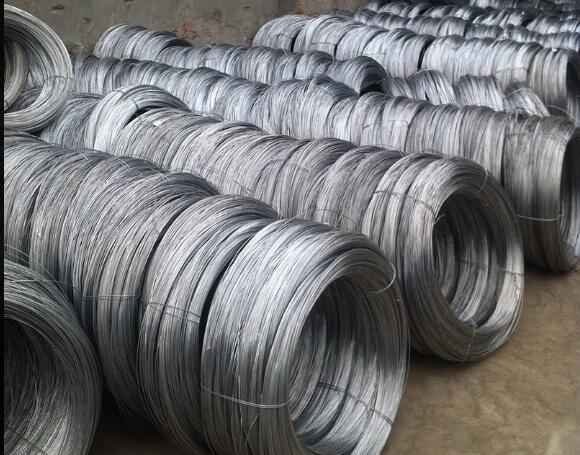
Concrete nail manufacturing typically involves cold heading of high-carbon steel wire (typically AISI 1045 or similar, offering a balance of hardness and ductility). The wire undergoes a drawing process to achieve the desired diameter and tensile strength. The nail head is formed via upsetting, a cold-forming process that increases the cross-sectional area of the wire to create a larger bearing surface. Critical material properties include yield strength (typically >800 MPa), tensile strength (>950 MPa), and Rockwell hardness (HRC 45-55). The steel must exhibit sufficient ductility to withstand the impact forces without fracturing. Concrete itself is highly variable. Cement type (Portland, blended Portland, etc.) affects strength and setting time. Aggregate size and gradation influence workability and compressive strength. Water-cement ratio is a crucial parameter; lower ratios generally yield higher strength but reduce workability. Moisture content at the time of nail installation is critical. Dry concrete is harder to penetrate and can cause nails to shatter. The nail's surface treatment—galvanization (zinc coating) or epoxy coating—is vital for corrosion protection, particularly in environments with high humidity or exposure to chlorides. Galvanization involves a metallurgical bond between the zinc and the steel, providing sacrificial protection. Epoxy coatings offer a barrier to moisture and chemicals, but their adhesion can be compromised by poor surface preparation. Manufacturing tolerances in nail diameter and head dimensions are critical for consistent performance. Variation in these parameters can affect insertion force and holding power.
Performance & Engineering
The act of hammering a nail into concrete involves dynamic loading and stress wave propagation. The impact force from the hammer is transferred through the nail to the concrete, creating compressive stresses in the concrete and tensile stresses in the nail shank. The nail's hardened tip concentrates the stress, initiating fracture and displacement of the concrete particles. The nail’s holding power relies on a combination of friction and mechanical interlock. The nail creates a localized area of compression within the concrete, generating frictional resistance to pullout. The deformed shank of the concrete nail (typically annular rings or barbs) further enhances mechanical interlock by embedding itself into the fractured concrete. Force analysis requires consideration of the impact velocity, nail mass, and concrete compressive strength. Higher impact velocities impart greater energy, but can also increase the risk of nail bending or shattering. The nail's geometry—length, diameter, and shank deformation—significantly influences its pullout resistance. Environmental resistance is also a key factor. Temperature fluctuations can cause expansion and contraction of both the nail and the concrete, leading to stress buildup and potential loosening. Moisture ingress can accelerate corrosion, reducing the nail's cross-sectional area and load-carrying capacity. Compliance requirements vary by region and application. Building codes often specify minimum nail size, spacing, and embedment depth for specific load-bearing applications. Corrosion resistance standards, such as ASTM B117 (salt spray testing), are used to evaluate the effectiveness of protective coatings.
Technical Specifications
| Nail Diameter (mm) | Nail Length (mm) | Minimum Pullout Resistance (kN) | Hardness (HRC) |
|---|---|---|---|
| 3.175 | 50 | 1.5 | 50-55 |
| 3.175 | 75 | 2.5 | 52-57 |
| 3.175 | 100 | 3.8 | 53-58 |
| 4.2 | 50 | 2.2 | 48-53 |
| 4.2 | 75 | 3.5 | 50-55 |
| 4.2 | 100 | 5.0 | 52-57 |
Failure Mode & Maintenance
Common failure modes include nail bending, shank fracture, pullout failure, and corrosion. Nail bending occurs when the impact force is not aligned with the nail axis or when the concrete is excessively hard. Shank fracture results from brittle failure of the nail material, often due to excessive impact velocity or pre-existing material defects. Pullout failure occurs when the frictional and mechanical interlock forces are insufficient to resist the applied load. This can be caused by insufficient embedment depth, low concrete strength, or nail corrosion. Corrosion, particularly of the nail shank, significantly reduces its cross-sectional area and load-carrying capacity, leading to premature failure. Fatigue cracking can occur under cyclic loading, gradually weakening the nail shank. Maintenance primarily involves visual inspection for signs of corrosion, bending, or pullout. If corrosion is detected, the nail should be replaced. For applications subject to cyclic loading, periodic inspections are recommended to identify and replace fatigued nails. Preventing failure starts with proper nail selection (matching size and material to the application), correct installation technique (straight impact, sufficient force), and appropriate corrosion protection (galvanization or epoxy coating). Repairing failed installations typically requires drilling out the failed nail and installing a new nail with appropriate adhesive or expansion anchors for increased holding power.
Industry FAQ
Q: What is the optimal nail angle for maximizing pullout resistance in concrete?
A: While a perpendicular angle (90 degrees) is generally recommended, a slight angle (5-10 degrees) towards the direction of the applied load can subtly improve pullout resistance. This leverages a small component of shear force to augment the frictional resistance. However, excessive angling reduces the effective embedment depth and can increase bending stresses.
Q: How does the concrete's compressive strength affect nail holding power?
A: Nail holding power is directly proportional to the concrete's compressive strength. Higher compressive strength concrete provides greater resistance to nail penetration and generates more frictional resistance to pullout. Lower strength concrete is more prone to crumbling and reduces the effectiveness of mechanical interlock.
Q: What is the impact of using a hardened concrete nail in a highly reinforced concrete structure?
A: Using hardened concrete nails in highly reinforced concrete requires caution. Impacts near rebar can cause deformation or fracture of the nail, or potentially damage the rebar itself. It's critical to assess the rebar layout before nailing and avoid direct impacts on the reinforcement.
Q: Are epoxy-coated nails significantly superior to galvanized nails in marine environments?
A: Epoxy coatings generally offer superior corrosion protection in highly aggressive marine environments compared to galvanization. However, the long-term performance of epoxy coatings is highly dependent on proper surface preparation and application. Galvanization provides a sacrificial barrier and can self-heal minor scratches, while epoxy coating failure can lead to rapid corrosion.
Q: What is the recommended minimum embedment depth for a 3.175mm concrete nail in 25 MPa concrete?
A: A minimum embedment depth of 40mm is generally recommended for a 3.175mm concrete nail in 25 MPa concrete, assuming the nail is designed for concrete fastening and has appropriate shank deformations. However, this should be verified against relevant building codes and engineering specifications for the specific application.
Conclusion
Successfully hammering a nail into concrete demands a comprehensive understanding of materials, mechanics, and potential failure modes. The process isn't merely a forceful impact, but a controlled fracture and interlocking mechanism heavily influenced by concrete properties, nail characteristics, and installation technique. Ignoring these factors leads to compromised fastening, structural instability, and potentially hazardous situations. Careful selection of appropriate concrete nails, adherence to best practices for installation, and periodic maintenance are essential for ensuring long-term performance and safety.
Future advancements in concrete nail technology are likely to focus on improved corrosion resistance, enhanced mechanical interlock designs, and the development of smart fasteners with integrated sensors for monitoring load and structural integrity. The integration of finite element analysis (FEA) in nail design and installation optimization will further refine performance predictions and minimize the risk of failure. Continued research into the interaction between nail materials and different concrete compositions will also be critical for addressing the diverse challenges presented by this seemingly simple, yet fundamentally complex construction process.