



Introduction
Concrete nails designed for brick masonry represent a specialized fastening solution within the broader construction industry. Positioned between traditional timber framing nails and more complex mechanical anchors, these nails offer a balance of speed of installation and holding power in relatively soft, porous brick. Their function is to secure materials – typically wood, but also metal straps and components – directly into brickwork, providing a structural connection without requiring pre-drilling in many applications. This guide provides an in-depth examination of concrete nail technology as applied to brick masonry, encompassing material science, manufacturing processes, performance characteristics, potential failure modes, and relevant industry standards. The core performance indicators are shear strength, tensile strength (withdrawal resistance), and corrosion resistance, all critical for long-term structural integrity.
Material Science & Manufacturing
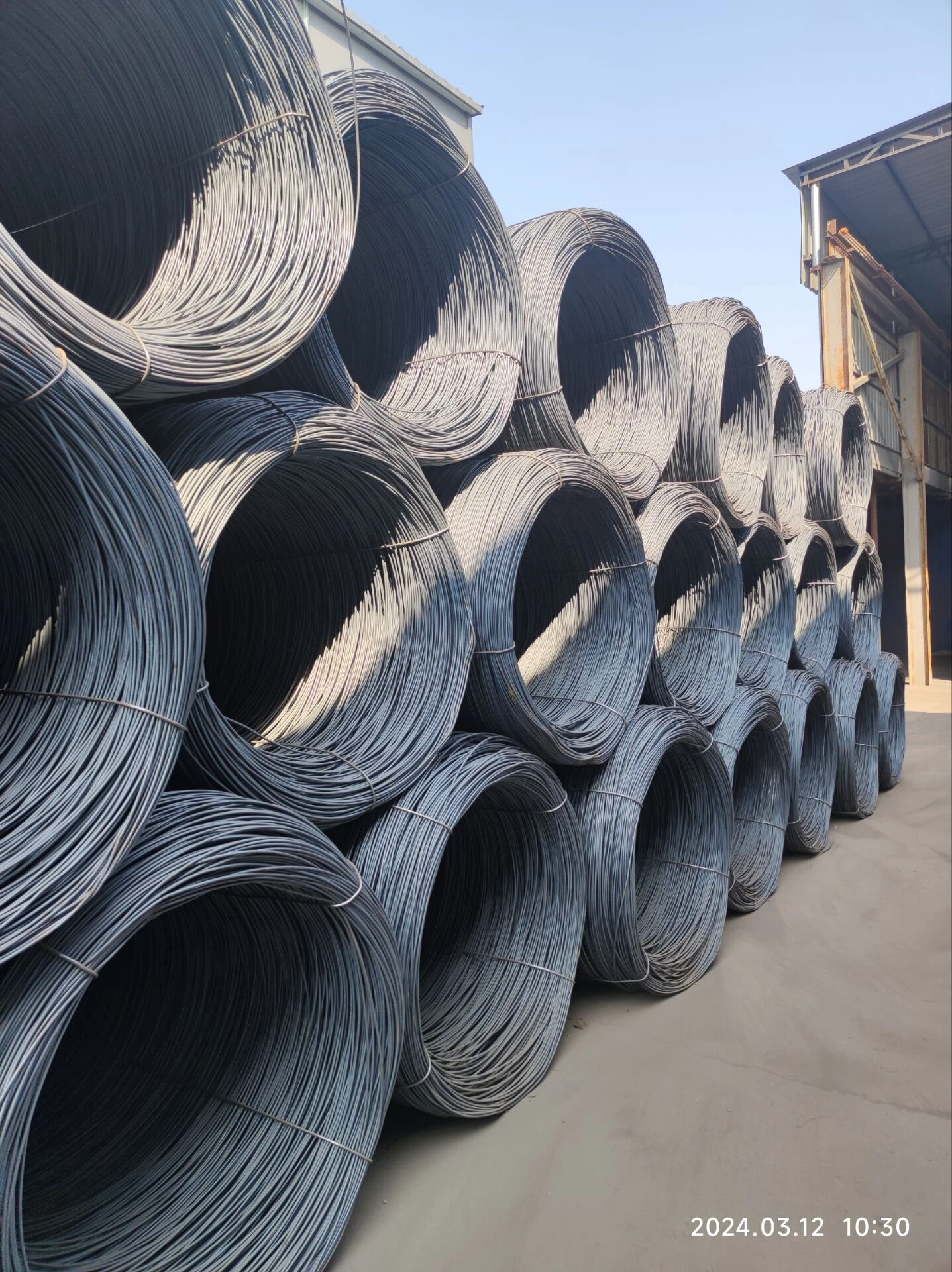
Concrete nails intended for brick typically utilize high-carbon steel as their base material, often AISI 1045 or similar grades. This selection balances hardness for driving into masonry with ductility to prevent shattering. The steel undergoes a heat treatment process, typically involving quenching and tempering, to achieve the desired balance of properties. The surface is then often treated with a corrosion-resistant coating. Historically, zinc coatings were common; however, modern formulations increasingly employ epoxy or polymer coatings for enhanced durability, particularly in harsh environments. Manufacturing begins with wire drawing, reducing the steel billet to the desired nail diameter. This is followed by heading, where the nail head is formed through a forging process. Critical parameters during heading include impact force, die geometry, and temperature control to ensure consistent head size and shape. Next, the nail shank is pointed via a cold forming process. Precise pointing is crucial for efficient penetration of the brick and minimizes brick splitting. Finally, the nails undergo coating, inspection (visual and dimensional), and packaging. Quality control throughout the process focuses on maintaining consistent hardness (measured via Rockwell or Vickers scales), coating thickness, and dimensional accuracy. The brick itself is composed primarily of clay minerals, silica, and iron oxide. Its porosity and compressive strength directly affect the nail’s holding power. Variations in brick composition (e.g., soft-fired versus hard-fired) significantly impact performance.
Performance & Engineering
The performance of concrete nails in brick relies heavily on a combination of friction, mechanical interlock, and, to a lesser extent, adhesion. Upon driving, the nail’s shank displaces brick material, creating compressive stresses around the shank. This compression generates frictional resistance to withdrawal. The flutes or rings commonly found on the shank surface further enhance mechanical interlock by increasing the surface area in contact with the brick. Engineering calculations for load-bearing applications must consider several factors. Shear strength is critical for resisting lateral forces, while withdrawal resistance (tensile strength) determines the nail's ability to withstand pull-out forces. These values are significantly influenced by brick compressive strength, nail diameter, nail length, and embedding depth. Environmental resistance is also paramount. Prolonged exposure to moisture, particularly in freeze-thaw cycles, can lead to corrosion of the nail and degradation of the surrounding brick. Galvanic corrosion can occur if dissimilar metals are used in conjunction with the nails (e.g., steel nails in contact with aluminum flashing). Compliance with building codes (e.g., IBC in the US, Eurocodes in Europe) mandates specific load capacities and safety factors. Finite Element Analysis (FEA) is often employed to model nail-brick interactions and predict performance under various loading conditions.
Technical Specifications
| Nail Diameter (inches) | Nail Length (inches) | Shear Strength (PSI) | Withdrawal Strength (PSI) |
|---|---|---|---|
| 0.120 | 1.5 | 800 | 450 |
| 0.120 | 2.0 | 950 | 600 |
| 0.140 | 2.5 | 1200 | 800 |
| 0.140 | 3.0 | 1400 | 950 |
| 0.160 | 3.5 | 1600 | 1100 |
| 0.160 | 4.0 | 1800 | 1300 |
Failure Mode & Maintenance
Concrete nails in brick are susceptible to several failure modes. Shear failure occurs when the lateral load exceeds the nail’s shear strength, causing the nail to break or bend. Withdrawal failure happens when the tensile load overcomes the nail's withdrawal resistance, leading to the nail pulling out of the brick. Corrosion is a significant long-term threat, particularly in exposed environments. Rust weakens the nail shank, reducing both shear and withdrawal strength. Brick spalling, or chipping, around the nail can reduce the effective embedding depth and compromise holding power. Fatigue cracking can occur under cyclical loading, especially if the nail experiences repeated stress fluctuations. Maintenance involves periodic inspection for signs of corrosion or brick damage. If corrosion is detected, the nail should be replaced. If brick spalling is observed, consider adding a backing plate or larger washer to distribute the load. Properly sealed or painted brickwork can mitigate corrosion risks. Avoiding overdriving the nail during installation is crucial to prevent brick cracking and maintain optimal holding power. Using nails with appropriate coatings for the specific environment is essential for long-term durability. Proper nail gun pressure settings are also critical.
Industry FAQ
Q: What is the impact of brick hardness on nail holding power?
A: Brick hardness, measured by compressive strength, is a primary determinant of nail holding power. Harder bricks generally offer greater resistance to nail withdrawal, as they provide more material for mechanical interlock. However, extremely hard bricks can be more prone to splitting during nail installation, necessitating the use of smaller diameter nails or pre-drilling.
Q: What coating provides the best corrosion resistance for concrete nails used in coastal environments?
A: Epoxy or polymer coatings generally offer superior corrosion resistance compared to traditional zinc coatings, especially in marine environments with high salt concentrations. These coatings create a more robust barrier against moisture and chloride ion penetration, significantly extending the nail’s service life.
Q: How does nail length affect the withdrawal strength?
A: Nail length has a significant positive correlation with withdrawal strength. A longer nail provides a greater embedded length, increasing the frictional surface area and mechanical interlock within the brick. This results in a higher force required to pull the nail out.
Q: Is pre-drilling recommended when using concrete nails in brick?
A: Pre-drilling is generally not recommended for standard concrete nails designed for brick, as the nail’s pointing is designed for self-penetration. However, in very hard-fired bricks or near brick edges, pre-drilling with a slightly smaller diameter bit can help prevent splitting and facilitate installation.
Q: What safety factors should be applied when calculating load capacities for nail connections?
A: Safety factors vary depending on the application and governing building codes. However, a common practice is to apply a safety factor of 4:1 to ultimate shear strength and 3:1 to ultimate withdrawal strength to account for variations in material properties, installation quality, and environmental conditions.
Conclusion
Concrete nails represent a cost-effective and efficient fastening solution for a range of applications involving brick masonry. Their performance is fundamentally dictated by a complex interplay of material properties – both of the nail itself and the brick substrate – and the precision of the manufacturing process. Understanding the potential failure modes, particularly corrosion and brick spalling, is critical for ensuring long-term structural integrity.
Future developments in concrete nail technology may focus on advanced coating materials, optimized shank geometries for enhanced mechanical interlock, and the integration of sensors for monitoring nail stress and corrosion levels. Proper installation techniques, adherence to relevant building codes, and regular inspection and maintenance remain paramount to maximizing the service life and reliability of concrete nail connections.