




Introduction
Concrete nails, also known as hardened steel nails, represent a specialized fastening solution within the broader construction industry. They are designed for direct insertion into concrete, brick, and other masonry materials without the need for pre-drilling in many applications, differentiating them from conventional nails intended for wood. Their technical position lies between traditional mechanical anchors and simpler nail fastening, offering a balance of speed and holding power. Core performance characteristics include shear strength, tensile strength (pull-out resistance), and resistance to bending. The increasing demand for faster, more efficient construction methods, coupled with the widespread use of concrete in modern infrastructure, drives the continued development and refinement of concrete nail technology. A primary industry pain point centers on achieving reliable anchoring in various concrete densities and compositions, and ensuring long-term durability against corrosion and vibrational stress.
Material Science & Manufacturing
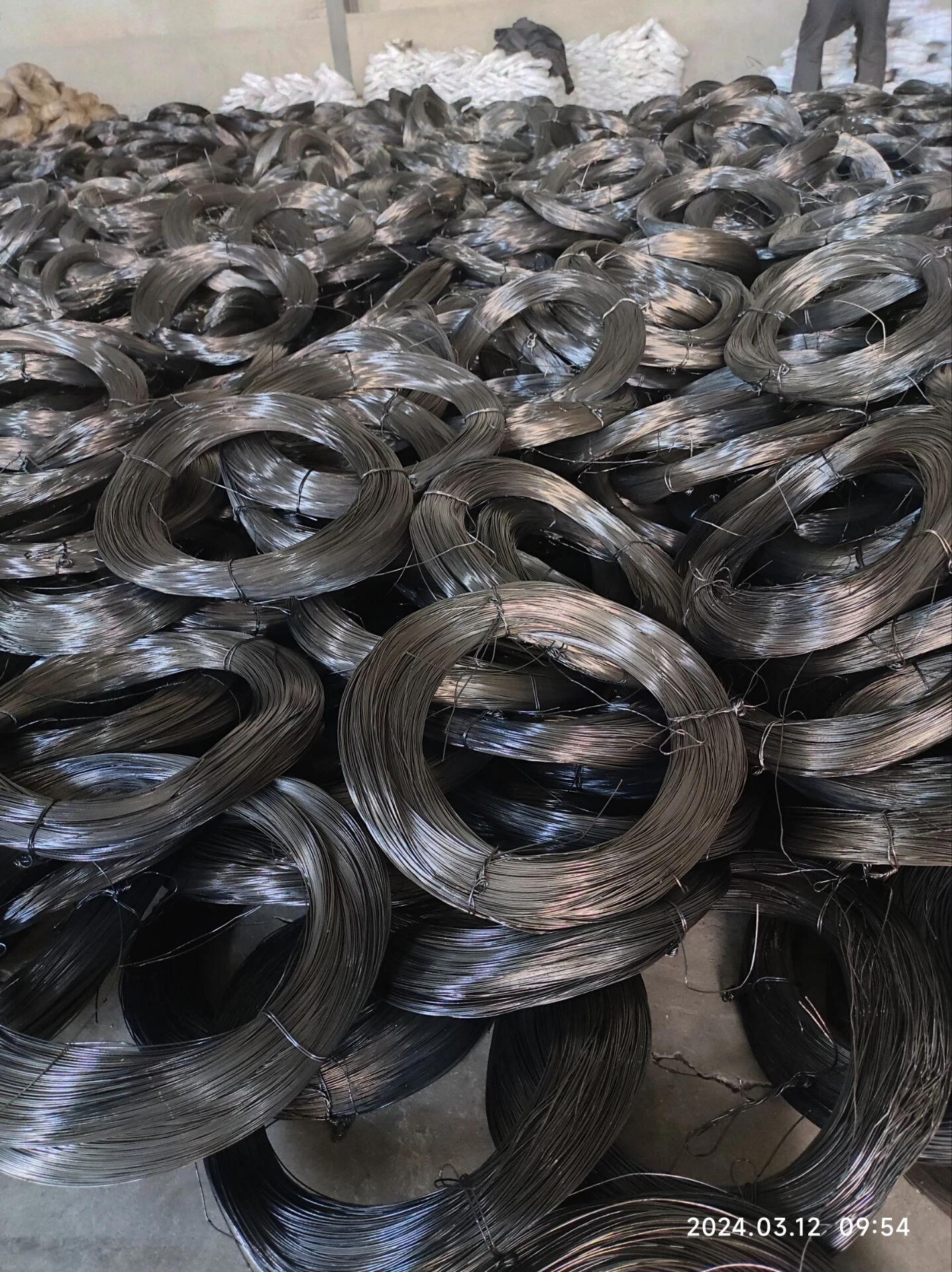
Concrete nails are predominantly manufactured from high-carbon steel, typically SAE 1045 or similar alloys. These steels possess inherent hardness and tensile strength crucial for penetration and holding power. The manufacturing process begins with wire drawing, reducing the steel’s diameter to the desired nail gauge. Following wire drawing, the steel undergoes a heat treatment process – hardening and tempering – to achieve an optimal balance of brittleness and ductility. Hardening, usually via quenching, increases the steel’s resistance to deformation. Tempering then reduces the brittleness induced by hardening, enhancing toughness. The nail head is then formed through a cold heading process, using dies to shape the desired head geometry. Surface treatments, such as bright coating, galvanization (zinc coating), or epoxy coating, are applied to enhance corrosion resistance. The galvanization process, either hot-dip or electro-galvanization, provides a sacrificial layer of zinc, preventing the underlying steel from corroding. Critical process parameters include the control of hardening temperatures, tempering times, and the thickness/adhesion of the surface coating. Variations in these parameters directly affect the nail's performance and longevity. Chemical compatibility between the coating and the concrete is also crucial; some coatings may react with alkaline components within the concrete, leading to premature failure.
Performance & Engineering
The performance of concrete nails is governed by principles of material mechanics and concrete behavior. Upon impact, the nail's kinetic energy is transferred to the concrete, inducing localized stress. The nail's hardened steel point initiates a fracturing process within the concrete matrix. Shear stress is the primary loading condition in most applications; the nail must resist forces acting parallel to the concrete surface. Pull-out resistance, or tensile strength, dictates the nail's ability to withstand forces acting perpendicular to the concrete surface. This resistance is a function of nail diameter, length, the concrete’s compressive strength, and the nail’s surface characteristics (e.g., ring shank vs. smooth shank). Engineering calculations for load bearing capacity employ empirical formulas derived from extensive testing, often referencing ACI (American Concrete Institute) guidelines. Environmental resistance is a significant concern. Exposure to moisture, chloride ions (in marine environments), and freeze-thaw cycles can accelerate corrosion. Furthermore, the coefficient of thermal expansion mismatch between steel and concrete induces stresses during temperature fluctuations, potentially leading to fatigue cracking. Compliance requirements, such as those mandated by building codes and safety standards, dictate minimum performance criteria and testing procedures. Proper nail selection and installation techniques are paramount for achieving structural integrity.
Technical Specifications
| Nail Diameter (Gauge) | Nail Length (mm) | Minimum Shear Strength (MPa) | Minimum Pull-Out Strength (kN) |
|---|---|---|---|
| 3.3 mm (8d) | 50 | 60 | 4.5 |
| 3.8 mm (10d) | 75 | 80 | 6.8 |
| 4.2 mm (12d) | 90 | 100 | 9.0 |
| 4.8 mm (16d) | 120 | 120 | 12.0 |
| 5.5 mm (20d) | 150 | 150 | 15.0 |
| 6.3 mm (24d) | 180 | 180 | 18.0 |
Failure Mode & Maintenance
Concrete nails are susceptible to several failure modes. Shear failure occurs when the force applied exceeds the nail’s shear strength, resulting in brittle fracture. Pull-out failure happens when the nail loses its grip within the concrete, often due to insufficient embedment depth or low concrete compressive strength. Corrosion is a common long-term degradation mechanism, particularly in chloride-rich environments. Rust formation weakens the steel and reduces the nail’s effective cross-sectional area. Fatigue cracking can occur under repeated loading, initiating at stress concentrations around the nail head or shank. Delamination of the concrete surrounding the nail can also contribute to failure. Preventative maintenance is limited, as concrete nails are typically embedded within the structure. However, regular inspection for signs of corrosion or concrete degradation is crucial. Applying a protective coating to the nail head during installation, particularly in exposed environments, can mitigate corrosion. In cases of significant concrete cracking around the nail, supplemental anchoring may be required. Repair typically involves replacing the failed nail with a larger diameter or a different type of anchor. Failure analysis should include examination of the fracture surface to determine the failure mode and identify potential contributing factors.
Industry FAQ
Q: What is the optimal nail length for a given concrete thickness?
A: As a general rule, the nail should penetrate the concrete to a depth of at least 5 times its diameter. However, this is a minimum requirement. Optimal length depends on the concrete's compressive strength and the anticipated load. Higher compressive strength allows for shorter embedment lengths. Engineering calculations, or consulting with a structural engineer, are recommended for critical applications.
Q: How does concrete compressive strength affect holding power?
A: Holding power is directly proportional to concrete compressive strength. Higher compressive strength concrete provides greater resistance to nail penetration and withdrawal, resulting in increased shear and pull-out strength. Nails installed in lower-strength concrete require longer embedment depths or larger diameters to achieve comparable performance.
Q: What type of coating provides the best corrosion resistance?
A: Hot-dip galvanization generally provides superior corrosion resistance compared to electro-galvanization due to the thicker zinc coating. Epoxy coatings offer excellent corrosion protection, but their adhesion to the steel substrate is critical. For highly corrosive environments, stainless steel nails are the preferred option, albeit at a higher cost.
Q: Can concrete nails be used in cracked concrete?
A: Using concrete nails in cracked concrete significantly reduces their holding power. The presence of cracks provides a plane of weakness, facilitating pull-out failure. In such cases, mechanical anchors with expansion sleeves or chemical adhesives are recommended to ensure a reliable connection.
Q: What are the limitations of using concrete nails compared to drilled anchors?
A: Concrete nails offer speed and convenience, but generally have lower load-bearing capacity compared to drilled anchors. Drilled anchors, particularly those with epoxy adhesives, provide superior pull-out resistance and can be used in a wider range of concrete conditions. Concrete nails are best suited for light-duty applications where speed of installation is a priority.
Conclusion
Concrete nails provide a rapid and cost-effective fastening solution for a range of light-duty applications in concrete and masonry. Their performance is inextricably linked to the material properties of the nail itself – high-carbon steel and appropriate surface treatments – and the characteristics of the concrete matrix into which they are driven. Understanding the principles of shear and pull-out resistance, as well as potential failure modes like corrosion and fatigue, is essential for ensuring long-term structural integrity.
Future developments in concrete nail technology will likely focus on enhanced corrosion resistance through novel coating materials and improved steel alloys, as well as the integration of smart features for monitoring nail integrity and load capacity. Standardization of testing procedures and performance criteria will also be crucial for promoting wider adoption and ensuring consistent reliability within the construction industry. Careful consideration of application-specific requirements, coupled with adherence to established engineering principles, will remain paramount for optimizing the performance of concrete nail systems.