




Introduction
Concrete nails screws represent a crucial fastening solution in the construction industry, bridging the gap between traditional nails and screws when securing materials into concrete, brick, and masonry substrates. Unlike conventional fasteners, these specialized screws are engineered with hardened threads and often utilize proprietary coatings to achieve superior pull-out resistance and shear strength within these challenging materials. Their position in the supply chain encompasses raw material suppliers (steel, coatings), manufacturing facilities specializing in cold forming and thread rolling, and ultimately, distribution networks serving construction contractors and DIY markets. Core performance characteristics center around holding power, corrosion resistance, installation torque requirements, and compatibility with various power tool drivers. Addressing issues surrounding premature failure due to insufficient embedment depth, improper installation torque, and material degradation is paramount for ensuring structural integrity and long-term performance.
Material Science & Manufacturing
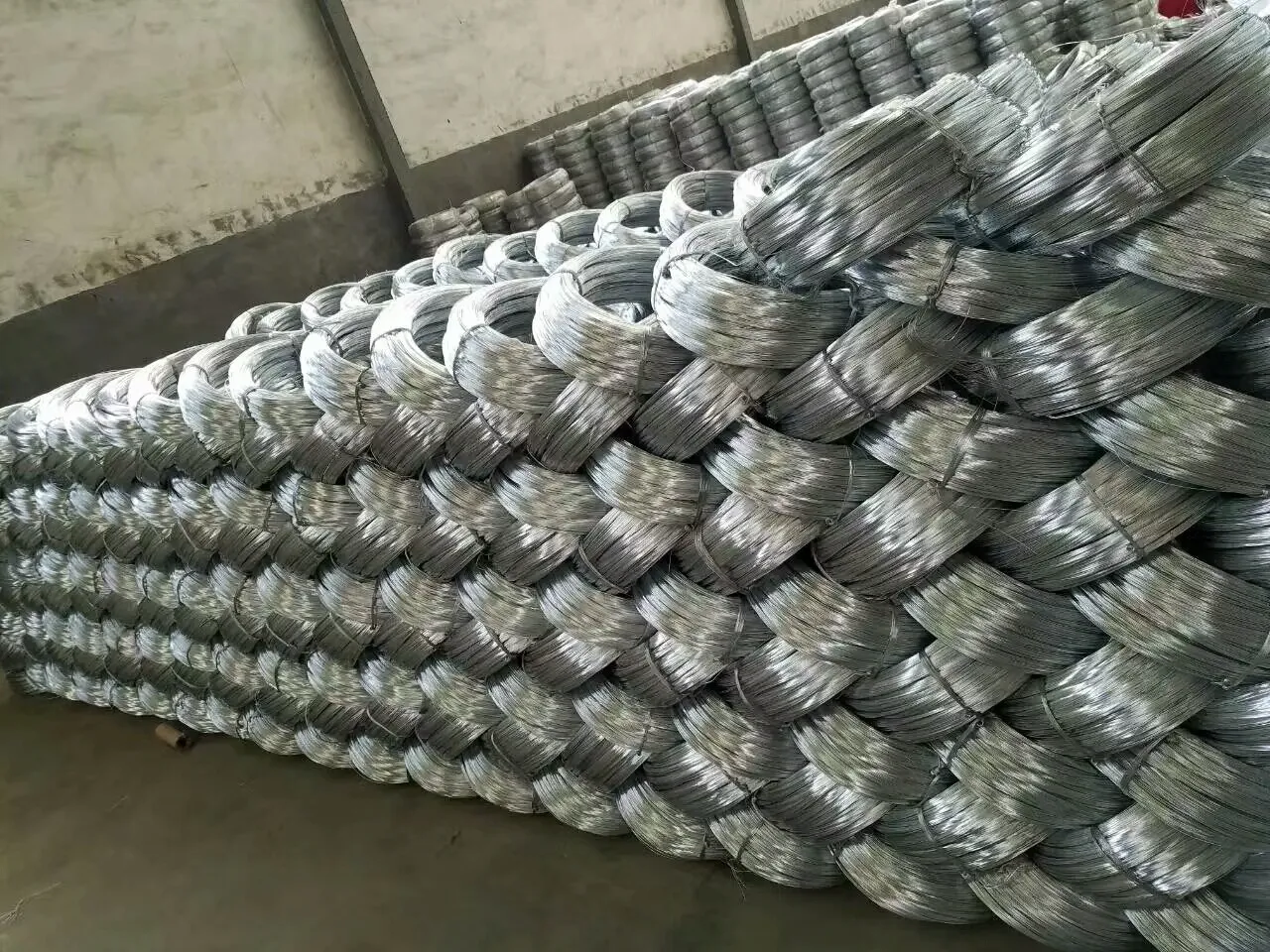
The primary material for concrete nails screws is typically high-carbon steel (SAE 1022, 10B21 being common grades) due to its inherent strength and ability to be hardened. The steel undergoes a cold heading process to form the screw head and shank. Critical material properties include tensile strength (typically exceeding 800 MPa), yield strength (approximately 500 MPa), and elongation (generally between 15-25%). The surface finish is crucial; zinc plating, hot-dip galvanization, or specialized polymer coatings (e.g., Xylan, PTFE) are employed to provide corrosion protection. These coatings are applied via electrolytic deposition or powder coating, requiring precise control of coating thickness and adhesion. Manufacturing involves multiple stages: wire drawing to achieve the desired diameter, heading to form the screw head, thread rolling using hardened dies to create the helical threads, heat treatment (hardening and tempering) to optimize strength and ductility, and finally, coating application. Critical parameters during thread rolling include die angle, feed rate, and lubrication to ensure accurate thread formation and prevent galling. Quality control utilizes Rockwell hardness testing, dimensional verification using calibrated gauges, and salt spray testing to assess corrosion resistance.
Performance & Engineering
The performance of concrete nails screws is fundamentally governed by the interaction between the screw threads and the concrete matrix. Holding power depends on several factors: embedment depth (minimum embedment is crucial to fully engage the concrete), screw diameter, thread pitch, and concrete compressive strength. Force analysis involves calculating the shear force capacity, tensile force capacity (pull-out resistance), and bending moment resistance. The threads create a mechanical interlock with the concrete aggregate, resisting tensile loads. Shear resistance relies on the friction between the screw shank and the concrete. Environmental resistance is a significant concern; prolonged exposure to moisture and chloride ions (e.g., coastal environments) can accelerate corrosion, reducing holding power. Compliance with building codes (e.g., ICC-ES reports) is essential, dictating load capacity requirements and installation guidelines. Engineering considerations include the selection of appropriate screw length and diameter based on the application and the load requirements, proper pre-drilling to minimize concrete cracking, and applying the correct installation torque to avoid stripping the threads or overstressing the concrete. Finite Element Analysis (FEA) is frequently used to model stress distributions within the screw and the concrete substrate under various loading conditions.
Technical Specifications
| Diameter (mm) | Length (mm) | Minimum Embedment Depth (mm) | Tensile Strength (MPa) |
|---|---|---|---|
| 4.2 | 50 | 35 | 800 |
| 4.8 | 75 | 50 | 900 |
| 5.5 | 100 | 65 | 950 |
| 6.3 | 125 | 80 | 1000 |
| 8.0 | 150 | 100 | 1050 |
| 10.0 | 200 | 130 | 1100 |
Failure Mode & Maintenance
Concrete nails screws are susceptible to several failure modes. Fatigue cracking can occur under cyclic loading, particularly near the thread roots. Hydrogen embrittlement, induced by the corrosive environment and high stress levels, can reduce ductility and promote brittle fracture. Pull-out failure occurs when the holding power is exceeded, causing the screw to disengage from the concrete. Shear failure happens when the shear stress exceeds the material's shear strength. Corrosion is a pervasive issue, weakening the screw and reducing its load-bearing capacity. Delamination of the concrete surrounding the screw can also lead to reduced holding power. Maintenance primarily involves periodic inspection for signs of corrosion or loosening. Replacing screws showing signs of degradation is critical. Preventive measures include selecting screws with appropriate corrosion resistance for the specific environment, ensuring proper installation torque, and avoiding overloading the fasteners. Periodic application of a corrosion inhibitor may extend service life in harsh environments. Regular inspections should be documented, tracking the condition of fasteners and identifying potential issues before they escalate.
Industry FAQ
Q: What is the impact of concrete compressive strength on the holding power of these screws?
A: Higher compressive strength concrete generally provides greater holding power. The increased density and aggregate interlock offer more resistance to pull-out. However, even in high-strength concrete, proper embedment depth and screw selection remain critical. Lower strength concrete requires larger diameter screws or closer spacing to achieve comparable holding power.
Q: How does the coating type affect the longevity of the screw in a marine environment?
A: In marine environments, hot-dip galvanization or specialized polymer coatings (e.g., PTFE, Xylan) are significantly superior to standard zinc plating. These coatings provide a more robust barrier against chloride ion penetration, mitigating corrosion. Regular maintenance, including cleaning and re-application of protective coatings, is still recommended.
Q: What is the correct torque specification for a 6.3mm diameter screw installed in typical concrete?
A: Torque specifications vary depending on the screw length and concrete hardness, but generally, a 6.3mm screw requires between 8-12 Nm of torque. Over-torquing can strip the threads, while under-torquing results in insufficient clamping force. Always refer to the manufacturer's recommendations.
Q: Can these screws be used in cracked concrete?
A: The use of concrete screws in cracked concrete is dependent on the crack width and the load requirements. Generally, smaller cracks are tolerable, but larger cracks can compromise holding power. Consider using sleeves or chemical anchors in situations with significant cracking.
Q: What is the difference between a self-tapping and a self-drilling concrete screw?
A: Self-tapping screws require a pre-drilled hole, while self-drilling screws have a drill-bit shaped tip that allows them to drill their own hole as they are driven. Self-drilling screws are faster to install but may generate more dust and heat, potentially affecting the concrete’s properties. Self-tapping generally provides a cleaner installation.
Conclusion
Concrete nails screws represent a sophisticated fastening solution engineered for reliable performance in challenging masonry substrates. Their effectiveness is intrinsically linked to material science, precise manufacturing processes, and a thorough understanding of the underlying engineering principles governing load transfer and environmental degradation. Careful consideration of material selection, coating type, installation torque, and environmental factors is crucial for maximizing longevity and structural integrity.
Future advancements in concrete nail screw technology are likely to focus on developing more corrosion-resistant coatings, optimizing thread geometries for improved holding power, and integrating smart sensor technology for real-time monitoring of fastener performance. Furthermore, increased emphasis on sustainable materials and manufacturing processes will drive innovation in this sector.