



Introduction
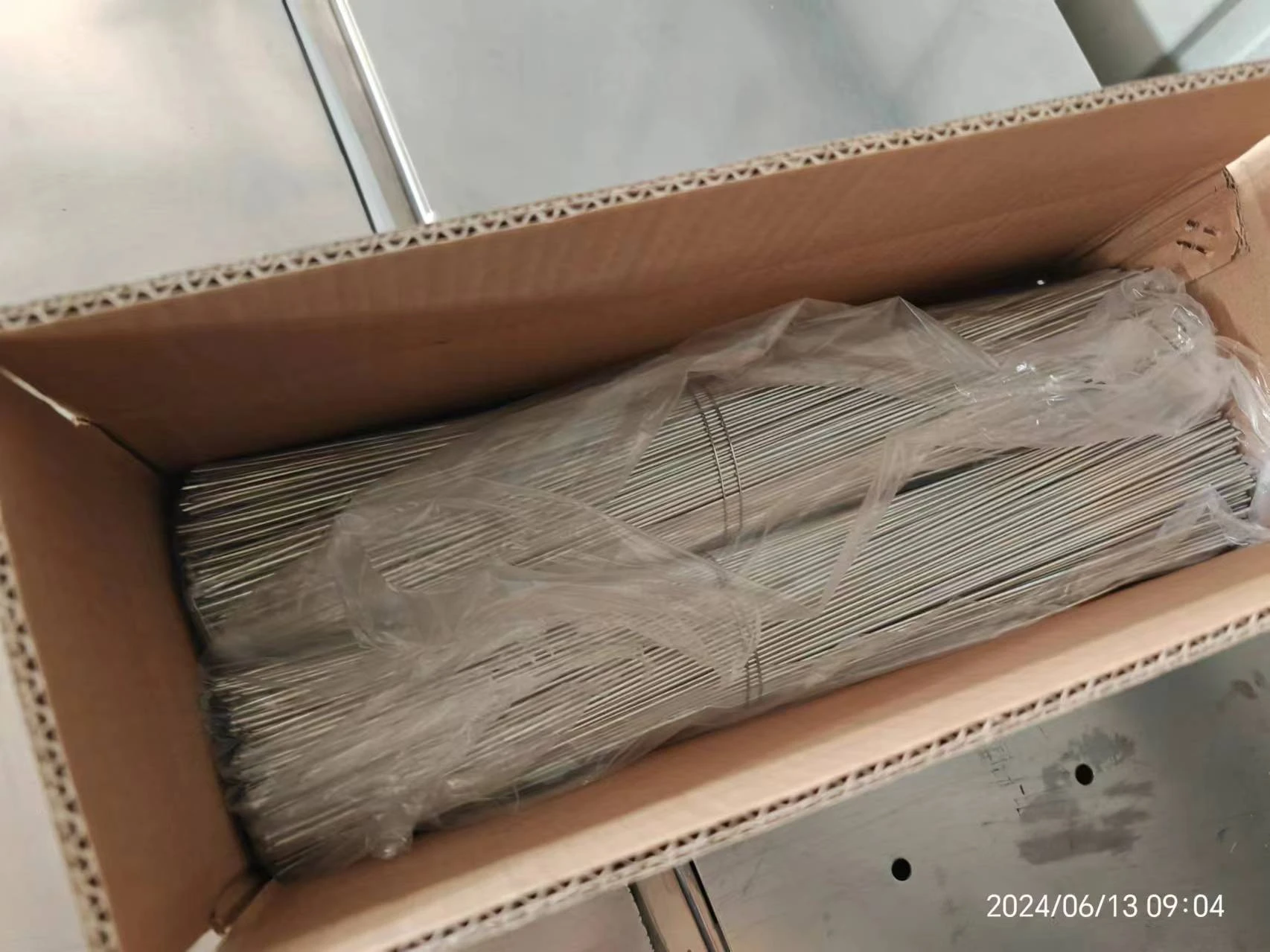
Concrete stub nails, also known as cut nails, are short, thick nails used extensively in the construction industry, particularly in applications involving concrete, masonry, and heavy timber. Unlike wire nails, stub nails are square or rectangular in cross-section and are manufactured through a cutting process rather than being drawn through a die. This manufacturing process imparts distinct mechanical properties, providing superior holding power and resistance to bending compared to wire nails. Their primary function is to provide a robust, shear-resistant fastening solution where significant load-bearing capacity is required. The strategic positioning of concrete stub nails within the building material supply chain is critical; they represent a foundational element, bridging the gap between raw material procurement and structural assembly. Core performance characteristics include shear strength, tensile strength, and resistance to pull-through, all of which are directly related to nail diameter, length, and material composition.
Material Science & Manufacturing
The primary material for concrete stub nails is high-carbon steel, typically AISI 1045 or equivalent. This selection is predicated on the steel’s inherent strength, ductility, and weldability. Carbon content generally ranges between 0.45% and 0.55% to achieve the necessary balance between hardness and toughness. Raw material is sourced as hot-rolled steel coils which undergo rigorous quality control, including chemical composition analysis and tensile testing. The manufacturing process begins with heading, where the steel is formed into nail blanks. These blanks are then cut to length, creating the characteristic rectangular cross-section. This cutting process, using specialized machinery with high-speed steel cutters, is critical and requires precise tooling maintenance to prevent work hardening and ensure consistent nail dimensions. Heat treatment, specifically quenching and tempering, is applied to optimize the nail’s mechanical properties. Quenching increases hardness, while tempering enhances ductility and reduces brittleness. Surface treatments, such as galvanization (zinc coating) or epoxy coating, are then applied to enhance corrosion resistance. Galvanization involves immersing the nails in molten zinc, creating a protective layer. Epoxy coating provides a thicker, more durable barrier, particularly in harsh environments. Critical parameters during manufacturing include cut length tolerance (+/- 0.1 mm), head dimensions (controlled by die settings), and coating thickness (monitored via electrochemical testing). Deviations from these parameters can significantly impact performance and lifespan.
Performance & Engineering
The performance of concrete stub nails is primarily governed by shear and tensile forces. Shear strength, crucial for resisting lateral loads, is dictated by the nail’s cross-sectional area and the shear strength of the steel material. Engineers calculate shear capacity using established formulas incorporating the nail diameter, length, and the shear strength of the steel, typically around 350 MPa for AISI 1045 steel. Tensile strength, essential for resisting pull-out forces, depends on the nail’s surface area in contact with the substrate and the adhesion between the nail and the surrounding material. Pull-out resistance is often enhanced through ring-shank or spiral-shank designs, which increase the surface area and mechanical interlocking. Environmental resistance is a critical engineering consideration. Concrete structures are exposed to varying temperature gradients, moisture levels, and chemical environments. Corrosion is a major concern, leading to reduced nail strength and potential structural failure. Galvanization and epoxy coatings mitigate corrosion, but their effectiveness diminishes over time, particularly in marine or industrial environments. Compliance with building codes, such as the International Building Code (IBC) and local regulations, is paramount. These codes specify minimum nail size, spacing, and penetration depth based on the structural load requirements. Force analysis frequently involves finite element analysis (FEA) to model stress distribution within the nail and the surrounding materials under various load scenarios. These simulations validate designs and identify potential failure points, ensuring structural integrity.
Technical Specifications
| Diameter (mm) | Length (mm) | Shear Strength (MPa) | Tensile Strength (MPa) |
|---|---|---|---|
| 3.3 | 50 | 450 | 600 |
| 3.8 | 65 | 520 | 700 |
| 4.2 | 80 | 580 | 780 |
| 4.8 | 100 | 650 | 850 |
| 5.5 | 120 | 720 | 950 |
| 6.3 | 150 | 800 | 1050 |
Failure Mode & Maintenance
Concrete stub nails are susceptible to several failure modes. Shear failure occurs when the applied shear force exceeds the nail’s shear strength, resulting in a brittle fracture. Tensile failure, or pull-out, happens when the nail is extracted from the substrate due to excessive tensile force. Corrosion is a prevalent failure mechanism, particularly in exposed environments. Rust formation weakens the nail’s cross-section, reducing its load-bearing capacity. Fatigue cracking can occur under cyclic loading, leading to gradual crack propagation and eventual failure. Delamination around the nail shank can also reduce holding power. Oxidation, stemming from prolonged exposure to air and moisture, degrades the steel matrix, decreasing its structural integrity. Maintenance is limited but crucial for longevity. Regular inspection for signs of corrosion, particularly in coastal or industrial areas, is recommended. Protective coatings can be reapplied periodically to maintain corrosion resistance. In situations where nails are exhibiting significant corrosion or fatigue, replacement is essential to prevent structural compromise. Proper installation is paramount to prevent failure; nails should be driven perpendicular to the surface and to the appropriate depth. Avoiding overdriving, which can weaken the surrounding material, is also vital. Regular monitoring of structural integrity, along with timely replacement of compromised nails, ensures continued safety and performance.
Industry FAQ
Q: What is the primary difference between a concrete stub nail and a common wire nail in terms of shear strength?
A: Concrete stub nails exhibit significantly higher shear strength compared to common wire nails due to their larger shank diameter and the use of higher-carbon steel. The square or rectangular cross-section provides greater resistance to lateral forces, making them ideal for shear-critical applications.
Q: How does galvanization affect the long-term performance of concrete stub nails in marine environments?
A: Galvanization provides a sacrificial layer of zinc, protecting the underlying steel from corrosion. However, in highly saline marine environments, the zinc coating will eventually corrode, exposing the steel. Regular inspection and reapplication of protective coatings are necessary to maintain long-term performance.
Q: What nail diameter and length are generally recommended for fastening concrete formwork?
A: Typically, a nail diameter of 4.2mm to 4.8mm and a length of 65mm to 80mm are recommended for concrete formwork, depending on the thickness of the formwork material and the concrete pressure. Local building codes should always be consulted for specific requirements.
Q: What impact does improper nail driving have on the holding power of a concrete stub nail?
A: Improper nail driving, such as bending the nail during installation or driving it at an angle, significantly reduces its holding power. Bending introduces stress concentrations, making the nail more susceptible to shear failure. An angled insertion reduces the effective shear area.
Q: What are the advantages of using epoxy-coated concrete stub nails over galvanized nails?
A: Epoxy coatings offer a thicker, more durable protective barrier than galvanization, providing superior corrosion resistance, particularly in aggressive chemical environments. Epoxy coatings are less susceptible to white rust (zinc oxide) formation, a common issue with galvanized nails in humid conditions.
Conclusion
Concrete stub nails represent a critical fastening solution in construction, leveraging specific material properties and manufacturing processes to deliver robust shear and tensile strength. The selection of appropriate nail size, material grade, and surface treatment is paramount to ensure long-term performance and structural integrity. Understanding the potential failure modes, including shear failure, tensile failure, corrosion, and fatigue, is essential for proactive maintenance and preventative measures.
Continued advancements in coating technologies, such as the development of more durable epoxy formulations and alternative corrosion inhibitors, promise to further enhance the longevity and reliability of concrete stub nails. Future research may focus on optimizing nail geometry to maximize holding power and minimize material usage, contributing to sustainable construction practices. The adherence to stringent quality control standards and compliance with relevant building codes remains fundamental to ensuring the safe and effective use of these essential construction fasteners.