



Introduction
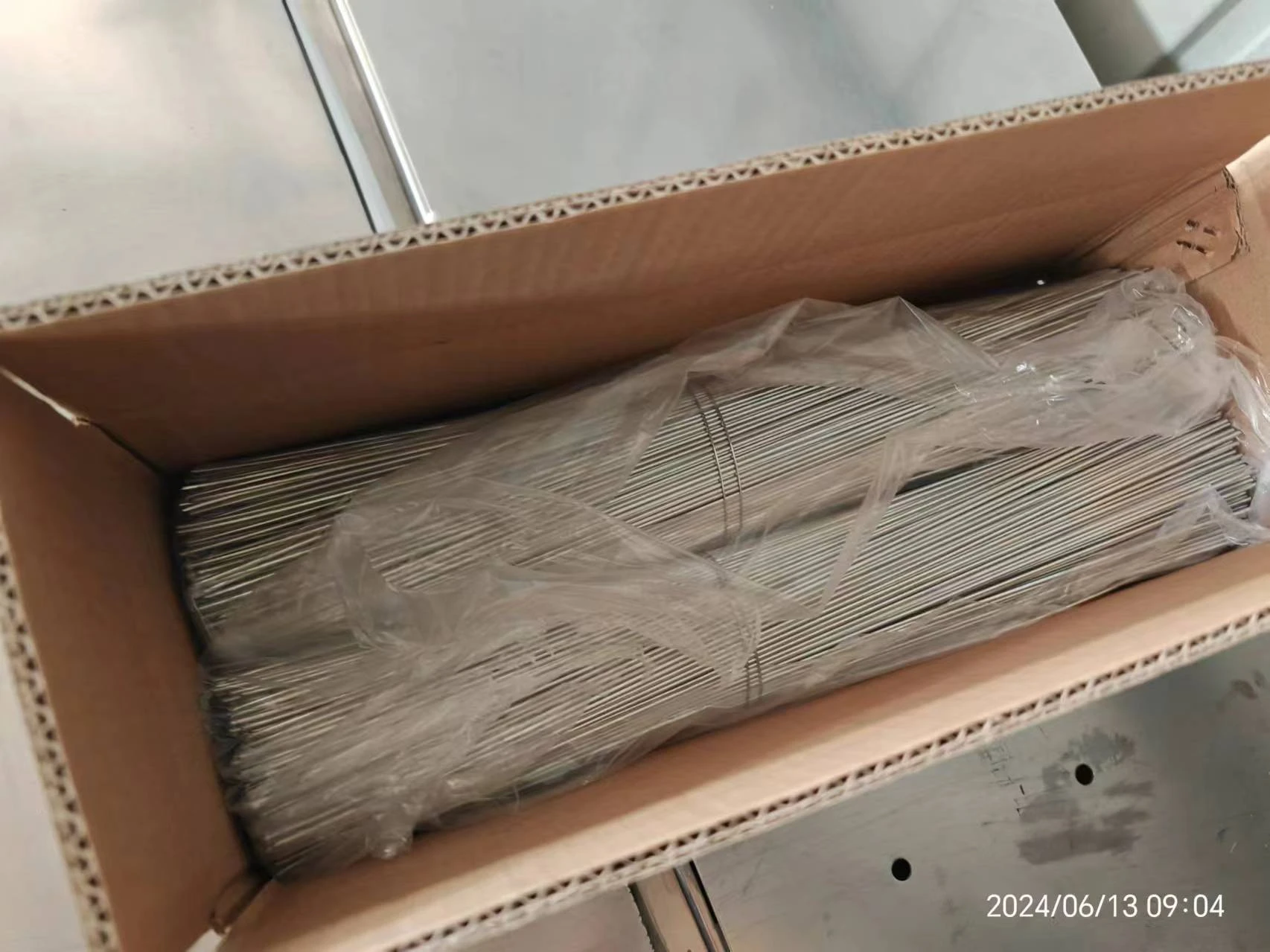
Concrete T-nails are a specialized fastening solution primarily utilized in the construction industry for attaching wood to concrete, masonry, and steel substrates. Technically classified as a single-piece, hardened steel nail with a distinct T-shaped head, they function as both a fastener and a direct impact driver attachment. Unlike conventional nails requiring pre-drilled holes or the use of powder-actuated tools, T-nails are driven directly into the base material using a pneumatic nail gun equipped with a dedicated T-nail adapter. Their performance hinges on a combination of high-impact force, the material properties of the nail steel, and the geometry of the T-head which provides a substantial bearing surface to resist pull-through. This guide provides an in-depth analysis of concrete T-nails, covering material science, manufacturing processes, performance characteristics, potential failure modes, and relevant industry standards. A core industry pain point addressed by T-nails is the speed and efficiency of wood-to-concrete attachment, significantly reducing labor costs compared to traditional methods. They also minimize damage to concrete and reduce the noise associated with powder-actuated fastening systems.
Material Science & Manufacturing
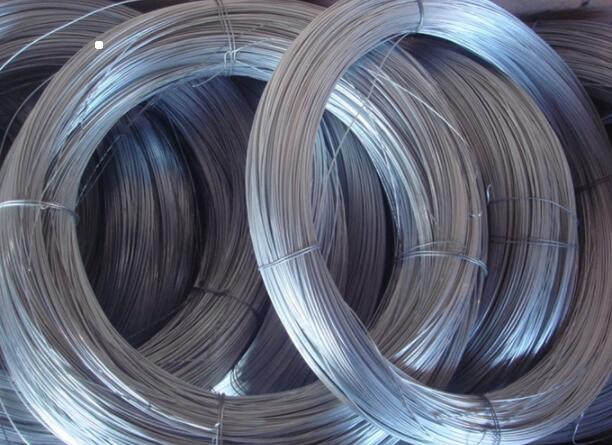
The core material for concrete T-nails is high-carbon steel, typically SAE 1045 or equivalent, selected for its balance of hardness, tensile strength, and ductility. The steel undergoes a heat treatment process – typically quenching and tempering – to achieve a Rockwell C hardness of 50-58. This heat treatment is crucial; insufficient hardening results in premature bending or deformation during installation, while excessive hardening can lead to brittleness and fracture. The manufacturing process begins with wire drawing, reducing the steel billet to the required diameter for nail body formation. The wire is then fed into a nail-making machine where it is cut to length, and the T-head is cold-formed using a progressive die system. Precise control of the die geometry is essential to ensure consistent T-head dimensions and a proper flange angle. Surface finishing, often involving phosphating or oil coating, enhances corrosion resistance and reduces friction during driving. Key parameters monitored during manufacturing include wire diameter consistency, head formation accuracy (flange width and angle), and surface coating thickness. Chemical composition analysis is performed regularly to verify adherence to steel grade specifications. The quality of the steel directly impacts the nail's ability to withstand shear and tensile stresses during service. Variations in the carbon content can affect weldability if subsequent modifications are required on site.
Performance & Engineering
The performance of concrete T-nails is fundamentally governed by shear strength and pull-through resistance. Shear strength is determined by the nail’s cross-sectional area and the shear strength of the steel alloy. Pull-through resistance, however, is a more complex parameter, influenced by the geometry of the T-head, the compressive strength of the concrete, and the nail’s penetration depth. Finite element analysis (FEA) is often employed during product development to optimize T-head design for maximum pull-through resistance. The T-head distributes the load over a wider area of the concrete, minimizing stress concentration and preventing premature failure. Engineering considerations also include the dynamic impact force required for successful installation. The nail gun must deliver sufficient energy to overcome the compressive strength of the concrete and embed the nail to the specified depth. Environmental resistance is another critical factor. Exposure to moisture and corrosive substances can lead to oxidation and degradation of the steel, reducing its load-bearing capacity. Protective coatings mitigate this effect, but periodic inspection and maintenance are recommended in harsh environments. Compliance with building codes and safety regulations is paramount. T-nails must meet specific performance requirements related to shear strength, pull-through resistance, and fire resistance, as dictated by local and national standards.
Technical Specifications
| Nail Length (inches) | Nail Diameter (inches) | Head Width (inches) | Minimum Shear Strength (PSI) |
|---|---|---|---|
| 1.5 | 0.120 | 0.437 | 80,000 |
| 2.0 | 0.148 | 0.500 | 100,000 |
| 2.5 | 0.165 | 0.562 | 120,000 |
| 3.0 | 0.193 | 0.625 | 140,000 |
| 3.5 | 0.210 | 0.687 | 160,000 |
| 4.0 | 0.230 | 0.750 | 180,000 |
Failure Mode & Maintenance
Common failure modes for concrete T-nails include bending, shear fracture, pull-through, and corrosion-induced degradation. Bending typically occurs due to excessive lateral force or insufficient nail penetration depth. Shear fracture results from exceeding the nail’s shear strength limit, often caused by dynamic loads or improper installation angle. Pull-through failure is linked to inadequate T-head bearing surface, low concrete compressive strength, or excessive withdrawal forces. Corrosion, especially in coastal or chemically aggressive environments, can weaken the nail steel and reduce its load-bearing capacity, leading to premature failure. Fatigue cracking can occur under cyclical loading, particularly in applications involving vibration or repeated stress. Maintenance primarily involves visual inspection for signs of corrosion, bending, or pull-through. If corrosion is detected, the affected nails should be replaced. Periodic tightening may be required for applications subject to vibration. Preventative measures include applying protective coatings to the nails and ensuring proper concrete curing to maximize compressive strength. In areas prone to seismic activity, using a higher nail density and selecting nails with enhanced ductility can mitigate the risk of failure. Failure analysis should include a metallurgical examination of fractured nails to determine the root cause of failure and inform future material selection or manufacturing process improvements.
Industry FAQ
Q: What is the recommended nail gun pressure for driving T-nails into standard concrete?
A: The optimal pressure depends on the nail gun model and the concrete compressive strength. However, a starting point of 80-120 PSI is generally recommended. It's crucial to consult the nail gun manufacturer’s specifications and perform test drives to determine the appropriate pressure for consistent and complete nail penetration without damaging the concrete.
Q: How does the compressive strength of the concrete affect the holding power of T-nails?
A: Higher concrete compressive strength directly correlates to increased pull-through resistance. Concrete with a compressive strength below 2500 PSI may exhibit reduced holding power. It’s vital to verify the concrete’s compressive strength before installation and select nails with appropriate dimensions and specifications for the specific concrete grade.
Q: Are T-nails suitable for use in all types of concrete?
A: T-nails are generally effective in standard Portland cement concrete. However, their performance may be compromised in lightweight concrete, cellular concrete, or concrete containing a high proportion of aggregates. In these cases, alternative fastening solutions may be more appropriate.
Q: What is the typical service life of a concrete T-nail in a non-corrosive environment?
A: In a non-corrosive indoor environment, a properly installed concrete T-nail can have a service life exceeding 20 years. However, exposure to moisture, salt spray, or other corrosive substances can significantly reduce this lifespan.
Q: Can T-nails be used to fasten wood to steel studs?
A: While possible, it is not the primary intended application. T-nails designed for concrete will not exhibit the same performance when driven into steel. Specialized fasteners designed for steel framing are recommended for such applications to ensure structural integrity.
Conclusion
Concrete T-nails represent a significant advancement in wood-to-concrete fastening technology, offering a faster, more efficient, and less disruptive alternative to traditional methods. Their performance relies heavily on material selection, precise manufacturing, and adherence to proper installation techniques. Understanding the underlying principles of shear strength, pull-through resistance, and potential failure modes is crucial for ensuring long-term structural integrity and safety.
Future advancements in concrete T-nail technology may involve the development of new alloy compositions with enhanced corrosion resistance, optimized T-head geometries for improved pull-through performance, and the integration of smart sensors for real-time monitoring of nail stress and load. Continued research and development, coupled with stringent quality control measures, will further solidify the position of concrete T-nails as a reliable and versatile fastening solution within the construction industry.