



Introduction
Construction nails, seemingly simple fasteners, are critical components in structural integrity and the durability of countless projects. This guide details the diverse range of nail types used in construction, their metallurgical basis, manufacturing processes, performance characteristics, and potential failure modes. Nails are categorized primarily by material, size (penny size – ‘d’), shank type, and head style, each influencing their holding power and application. The selection of the appropriate nail is dictated by factors including the materials being joined (softwood, hardwood, steel), the type of load (shear, tension, withdrawal), and environmental conditions. Understanding these nuances is paramount for ensuring structural safety and longevity, mitigating costly repairs, and adhering to stringent building codes. Incorrect nail selection can lead to structural weakness, corrosion, and premature failure. This document serves as a comprehensive resource for engineers, architects, construction professionals, and procurement specialists involved in the sourcing and application of construction fasteners.
Material Science & Manufacturing
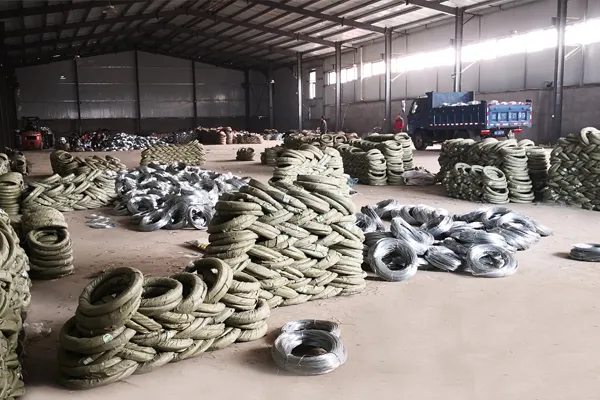
The vast majority of construction nails are manufactured from carbon steel, though materials like stainless steel, aluminum, copper, and galvanized steel are employed for specific applications. Carbon steel nails are typically produced from AISI/SAE 1008 or 1010 steel, exhibiting adequate tensile strength and ductility. Higher carbon content increases hardness but reduces ductility, making the nail more brittle. Manufacturing begins with wire drawing, reducing the steel billet to the desired diameter. This process induces work hardening, improving the steel’s strength. The wire is then straightened and cut to length using high-speed automated machinery. The head is formed through a process called heading, where the end of the wire is upset between dies, compressing the material and creating the desired head shape. Shank features, such as rings, spirals, or barbs, are added through subsequent cold-forming operations. Galvanization, employing a hot-dip or electroplating process, is crucial for corrosion resistance. Hot-dip galvanization provides a thicker, more durable coating but can introduce a slightly rougher surface finish. Electroplating offers a smoother finish but typically a thinner coating. The chemical composition of the galvanizing bath (zinc, aluminum, and other alloys) dictates the level of corrosion protection. Quality control involves rigorous testing of material composition, tensile strength, shear strength, coating thickness, and bend resistance.
Performance & Engineering
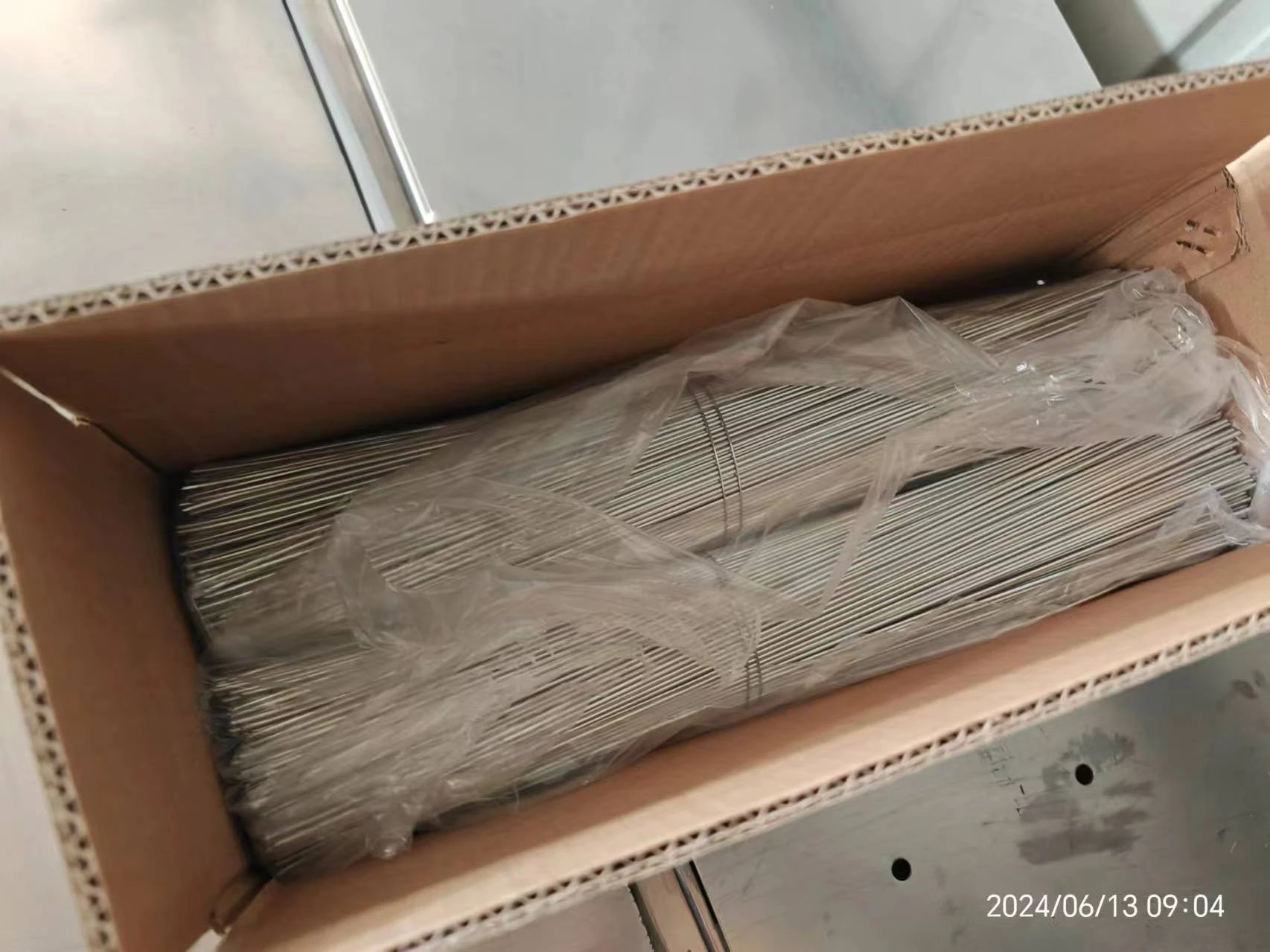
The performance of a construction nail is governed by several engineering principles, primarily shear strength, tensile strength, and withdrawal resistance. Shear strength is the nail’s ability to resist forces acting parallel to its axis, critical in applications where the nail is subjected to lateral loads. Tensile strength, the nail’s resistance to being pulled apart, is essential for joints under direct tension. Withdrawal resistance, the force required to pull the nail out of the wood, depends on the shank’s design (smooth, ringed, spiral) and the wood’s density. Ring-shank nails offer significantly higher withdrawal resistance compared to smooth-shank nails due to the mechanical interlocking created by the rings. Nail bending is a crucial failure mode under load. The bending strength is directly related to the nail’s diameter and material properties. Environmental factors, particularly moisture content, significantly impact nail performance. Wood expands and contracts with changes in moisture, creating cyclic stresses on the nail. Corrosion, particularly in the presence of treated lumber, can weaken the nail and reduce its holding power. Engineering calculations, adhering to standards like the American Wood Council’s (AWC) National Design Specification (NDS) for Wood Construction, are essential for determining the appropriate nail size, spacing, and type for specific structural applications. Proper nail driving technique is also critical; angled nailing reduces bending stress, and overdriving can damage the wood and reduce holding power.
Technical Specifications
| Nail Type | Material | Shank Type | Coating | Typical Applications | Penny Size (d) Range |
|---|---|---|---|---|---|
| Common Nail | Carbon Steel (1008/1010) | Smooth | Bright, Galvanized | General Framing, Sheathing | 6d - 60d |
| Box Nail | Carbon Steel (1008/1010) | Smooth | Bright | Interior Trim, Finish Work | 2d - 30d |
| Finishing Nail | Carbon Steel (1008/1010) | Smooth | Bright, Blued | Interior Trim, Molding | 4d - 16d |
| Roofing Nail | Carbon Steel (1008/1010) | Ring Shank | Galvanized, Aluminum | Asphalt Shingles, Roofing Felt | 8d - 16d |
| Siding Nail | Carbon Steel (1008/1010), Stainless Steel | Ring Shank, Spiral Shank | Galvanized, Aluminum | Wood Siding, Exterior Trim | 6d - 16d |
| Concrete Nail | Hardened Steel | Spiral Shank | Coated | Fastening to Concrete/Masonry | 1 1/2" - 3" |
Failure Mode & Maintenance
Common failure modes in construction nails include bending, shear failure, withdrawal, and corrosion. Bending occurs when the applied load exceeds the nail’s bending strength, resulting in permanent deformation. Shear failure happens when the force acting parallel to the nail’s axis exceeds its shear strength, causing the nail to break. Withdrawal failure occurs when the nail is pulled out of the wood due to insufficient holding power. Corrosion weakens the nail, reducing its cross-sectional area and load-carrying capacity. Galvanic corrosion is a significant concern when using dissimilar metals (e.g., steel nails with treated lumber), accelerating the corrosion process. Fatigue cracking can occur under cyclic loading, leading to progressive damage and eventual failure. Prevention strategies include selecting the appropriate nail type for the application, ensuring proper nail driving technique, using corrosion-resistant coatings, and avoiding the use of dissimilar metals in direct contact. Regular inspections of nailed connections are recommended, particularly in exposed environments. Replace corroded or bent nails promptly to maintain structural integrity. For stainless steel nails, periodic cleaning to remove surface contaminants can enhance their corrosion resistance. In areas prone to seismic activity, consideration should be given to the use of nails specifically designed for earthquake resistance, featuring enhanced ductility and withdrawal resistance.
Industry FAQ
Q: What is the difference between a ‘d’ size nail and a penny (d) size nail?
A: The ‘d’ designation, commonly known as penny size, is a historical unit of measure for nail length. It doesn’t directly correlate to inches or millimeters, but rather reflects the original weight of 100 nails of that size. Generally, a higher ‘d’ number indicates a longer nail. For instance, an 8d nail is longer than a 6d nail, although the precise length varies slightly depending on the manufacturer and nail type.
Q: How does the choice of coating affect the longevity of nails used in exterior applications?
A: Coating selection is paramount for exterior applications. Bright nails, without coating, are highly susceptible to corrosion. Galvanization provides a zinc coating that sacrificially corrodes, protecting the steel underneath. Aluminum coatings offer even greater corrosion resistance, particularly in saltwater environments. Stainless steel nails provide superior corrosion resistance but are more expensive. The thickness of the coating also matters; thicker coatings offer longer-lasting protection.
Q: What are ring-shank nails and when should they be used instead of smooth-shank nails?
A: Ring-shank nails have rings along the shank that create a mechanical interlock with the wood fibers, significantly increasing withdrawal resistance. They should be used in applications where pull-out strength is critical, such as roofing, siding, and decking. Smooth-shank nails are generally suitable for interior applications where withdrawal resistance is less of a concern.
Q: What factors contribute to nail bending and how can it be mitigated?
A: Nail bending is primarily caused by excessive shear or bending stress. Factors contributing to bending include incorrect nail size, improper nailing angle, and wood defects. Mitigation strategies include using a larger nail diameter, angling the nail slightly to distribute the load, selecting a nail with higher bending strength, and ensuring the wood is free of knots or splits.
Q: Are there specific nail types recommended for use with pressure-treated lumber?
A: Yes. Pressure-treated lumber contains chemicals that can accelerate the corrosion of standard steel nails. Hot-dip galvanized nails are the minimum recommendation, but stainless steel or specially coated nails (designed for use with treated lumber) are preferred for maximum longevity. Avoid using standard bright nails with pressure-treated lumber.
Conclusion
The selection and application of construction nails are fundamental aspects of structural integrity. Understanding the material science, manufacturing processes, performance characteristics, and potential failure modes of different nail types is essential for ensuring safe, durable, and compliant construction projects. The seemingly simple act of driving a nail involves complex interactions between material properties, applied loads, and environmental conditions.
Continued advancements in nail technology, including the development of new coatings and shank designs, are aimed at enhancing corrosion resistance, increasing holding power, and reducing the risk of failure. Prioritizing proper nail selection, adhering to industry standards, and implementing regular inspection and maintenance procedures are crucial for maximizing the longevity and performance of nailed connections.