



Introduction
Drywall screws are a critical fastening element in modern construction, specifically designed for attaching drywall (gypsum board) to wood or metal framing. Unlike general-purpose screws, drywall screws are engineered with specific characteristics to minimize damage to the drywall paper face and provide a secure, flush finish. Their application extends beyond solely drywall installation, finding use in various interior construction tasks. This guide provides a comprehensive technical overview of drywall screws, covering their material science, manufacturing processes, performance characteristics, potential failure modes, and relevant industry standards. Understanding these aspects is crucial for ensuring structural integrity, optimizing installation procedures, and mitigating long-term performance issues. The core pain point in the construction industry concerning drywall screws revolves around consistent penetration depth, minimizing 'popping' (screw protrusion), and preventing tearing of the drywall paper during installation, ultimately affecting the aesthetic and structural quality of the finished wall.
Material Science & Manufacturing
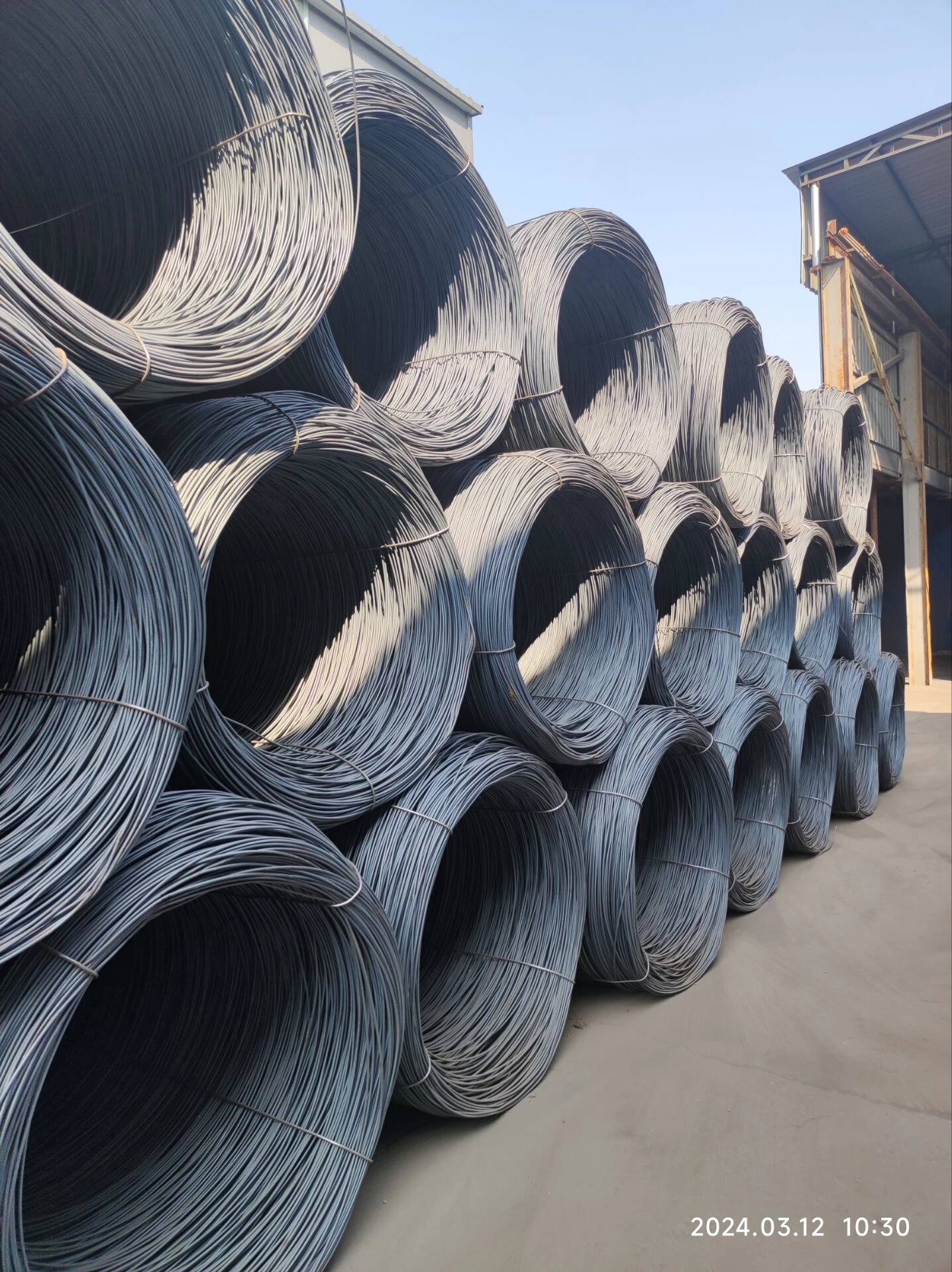
Drywall screws are typically manufactured from hardened steel, primarily C1022 carbon steel, selected for its balance of strength, ductility, and cost-effectiveness. The steel undergoes a heat treatment process, typically quenching and tempering, to achieve a Rockwell hardness of C30-C40. This hardness is vital for enabling the screw to self-tap into drywall and framing materials. The screw's shank is fully threaded to maximize holding power in the relatively soft gypsum core of the drywall. A bugle head, with a large, flat bearing surface, is crucial; it allows the screw to be driven slightly below the drywall surface without tearing the paper face. The screws are then coated with phosphate, primarily zinc phosphate, to improve corrosion resistance and provide a better surface for paint adhesion. Manufacturing involves cold forming of the steel wire into the screw shape, followed by thread rolling, heat treatment, phosphate coating, and quality control inspection. Precise control of the cold forming process is paramount; improper forming can introduce stress concentrations leading to premature failure. Coating thickness is also critical; insufficient coating provides inadequate corrosion protection, while excessive coating can interfere with paint adhesion. Variations in steel composition and heat treatment processes exist, impacting shear strength and tensile strength. Stainless steel variants (304 or 316) are used in high-humidity environments, such as bathrooms or exterior applications, to enhance corrosion resistance. The selection of phosphate coating chemistry also affects corrosion performance.
Performance & Engineering
The performance of a drywall screw is governed by several key engineering principles. Shear strength, the screw's resistance to forces applied parallel to its axis, is critical for maintaining the drywall's position against lateral loads. Tensile strength, its resistance to pulling forces, dictates its ability to withstand direct tension. The screw's thread geometry – thread angle, pitch, and depth – are engineered to maximize grip within both drywall and framing material. Penetration depth is a significant factor; too shallow and the screw lacks sufficient hold, too deep and the drywall paper can be crushed, reducing holding power. The bugle head design minimizes stress concentrations on the drywall surface, preventing cracking. When fastening to wood framing, the screw relies on the wood fibers to provide resistance to withdrawal. With metal framing, the self-tapping action creates threads within the metal, relying on the metal's ductility and the screw's hardness for securement. Environmental factors, such as humidity and temperature fluctuations, can induce expansion and contraction of both the framing material and drywall, imposing cyclic stresses on the screws. Fatigue analysis is crucial for predicting long-term performance under these conditions. Compliance with building codes (IBC, IRC) dictates screw spacing and type based on wall assembly and load requirements. Finite element analysis (FEA) is often employed to optimize screw design and predict performance under various loading scenarios. Consideration must also be given to the potential for galvanic corrosion when dissimilar metals (e.g., steel screws and aluminum framing) are used in contact.
Technical Specifications
| Diameter (inches) | Length (inches) | Head Type | Point Type | Material | Coating |
|---|---|---|---|---|---|
| 0.083 | 1 1/4 | Bugle | Fine Thread | C1022 Steel | Zinc Phosphate |
| 0.083 | 1 5/8 | Bugle | Fine Thread | C1022 Steel | Zinc Phosphate |
| 0.083 | 2 1/2 | Bugle | Fine Thread | C1022 Steel | Zinc Phosphate |
| 0.113 | 1 5/8 | Bugle | Coarse Thread | C1022 Steel | Zinc Phosphate |
| 0.113 | 2 1/2 | Bugle | Coarse Thread | C1022 Steel | Zinc Phosphate |
| 0.113 | 3 | Bugle | Coarse Thread | C1022 Steel | Zinc Phosphate |
Failure Mode & Maintenance
Drywall screw failures commonly manifest in several ways. Shear failure, particularly under lateral loading, occurs when the screw's shank fractures due to excessive stress. Tensile failure happens when the screw pulls through the drywall or framing material, often due to insufficient penetration or inadequate material strength. Corrosion, especially in humid environments, leads to weakening of the screw material and eventual failure. "Popping" – the protrusion of the screw head through the drywall surface – is a common aesthetic issue caused by differential movement between the framing and drywall, or by driving the screw too deeply. Stripping of the screw head, rendering it unable to accept further tightening, can occur due to improper driver bit selection or excessive torque. Drywall paper tearing is a common installation-related failure, resulting from excessive screw depth or using a screw with an improperly designed bugle head. Maintenance is generally limited to correcting failures. If screws are consistently "popping," additional framing support may be needed. Corroded screws should be replaced with stainless steel alternatives. Stripped screws can be removed using screw extractors, and the hole can be patched and refastened. Preventative measures include selecting the appropriate screw type and length for the application, using the correct driver bit, and avoiding over-tightening. Regularly inspect installed drywall for signs of screw failure or corrosion.
Industry FAQ
Q: What is the difference between fine-thread and coarse-thread drywall screws and when should each be used?
A: Fine-thread drywall screws are designed for use with metal framing, where they can bite into the metal more effectively. Coarse-thread screws are optimized for wood framing, providing a stronger grip within the wood fibers. Using the wrong thread type can significantly reduce holding power and increase the risk of stripping or pull-through.
Q: How important is the bugle head design on a drywall screw?
A: The bugle head is critically important. It's designed to allow the screw to be driven slightly below the drywall surface without tearing the paper face. A poorly designed bugle head will result in visible screw indentations and weakened drywall at the screw location.
Q: What causes drywall screws to "pop" and how can this be prevented?
A: "Popping" is usually caused by movement in the framing material, often due to temperature or humidity changes, or from the framing members themselves not being sufficiently secured. It can also occur if the screw is driven too deep. Prevention involves using appropriate screw length, ensuring the framing is stable and well-supported, and avoiding over-tightening.
Q: What are the corrosion resistance options for drywall screws?
A: The standard zinc phosphate coating provides basic corrosion resistance. For areas prone to high humidity or moisture, such as bathrooms or exterior walls, stainless steel (304 or 316 grade) screws are recommended. Galvanized screws offer intermediate corrosion protection, but are not as effective as stainless steel.
Q: What torque settings should be used when driving drywall screws?
A: Precise torque settings depend on the screw size, drywall thickness, and framing material. However, the general principle is to drive the screw until the head is slightly below the surface without breaking the drywall paper. Using a depth-sensitive driver bit is highly recommended to prevent over-driving. Manual adjustment is often preferred over high-torque power tools to ensure proper screw seating.
Conclusion
Drywall screws, though seemingly simple fasteners, are highly engineered components crucial for the performance and longevity of drywall installations. Their material composition, manufacturing processes, and design features directly impact their holding power, corrosion resistance, and susceptibility to failure. Proper screw selection based on framing material and environmental conditions is paramount. The understanding of potential failure modes and proactive maintenance strategies are vital for ensuring structural integrity and preventing aesthetic issues like “popping”.
Future advancements in drywall screw technology may focus on improved coating materials for enhanced corrosion resistance, self-driving mechanisms to reduce installation time and errors, and innovative head designs to minimize drywall damage. Furthermore, the development of smart screws with embedded sensors to monitor stress levels and detect potential failures could revolutionize drywall construction and maintenance practices. A consistent emphasis on quality control and adherence to industry standards will remain critical for ensuring reliable and long-lasting drywall systems.