



Introduction
Drywall screws, also known as gypsum board screws, are a critical fastening element in modern construction. Manufactured extensively in China, they represent a significant portion of the global fastener market. This guide provides an in-depth technical analysis of drywall screw manufacturing, material properties, performance characteristics, potential failure modes, and relevant industry standards. The primary function of a drywall screw is to securely attach gypsum wallboard to wood or metal framing. Their design incorporates a bugle head to minimize tearing of the paper facing on gypsum board and a sharp point for easy penetration. The industry currently faces challenges related to consistent coating adhesion, corrosion resistance in varying environments, and maintaining dimensional accuracy for automated installation systems. This document addresses these pain points with a focus on the technical aspects of production and quality control, catering to procurement managers, engineers, and quality assurance personnel involved in large-scale construction projects.
Material Science & Manufacturing
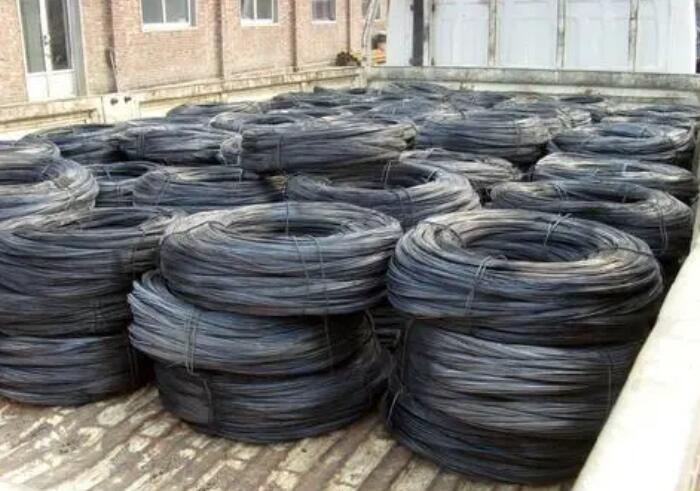
Drywall screws are predominantly manufactured from carbon steel, specifically C1022 steel, due to its balance of strength, ductility, and cost-effectiveness. The steel wire undergoes a cold heading process to form the screw shape. This process work-hardens the material, increasing its tensile strength. Key material properties include a tensile strength ranging from 850-1000 MPa and a yield strength of approximately 550-700 MPa. The screw’s coating is paramount for corrosion protection. Common coatings include zinc plating (mechanical or electrolytic), phosphate coating, and increasingly, polymer coatings like those incorporating acrylic or epoxy resins. Manufacturing steps include: (1) Wire drawing to achieve the desired diameter; (2) Cold heading to form the screw head and body; (3) Thread rolling to create the screw threads; (4) Heat treatment (hardening and tempering) to achieve desired mechanical properties; (5) Coating application (zinc, phosphate, polymer); (6) Quality control checks including thread form inspection, coating thickness measurement, and hardness testing. Critical parameters during manufacturing include die angle during thread rolling (influencing thread strength), quenching medium and temperature during heat treatment (affecting hardness and ductility), and coating application thickness (directly impacting corrosion resistance). Improper control of these parameters leads to defects such as thread stripping, brittle fractures, or premature corrosion.
Performance & Engineering
The performance of a drywall screw is determined by its ability to withstand shear and tensile forces during installation and throughout the service life of the structure. Force analysis involves calculating the shear stress at the screw threads when subjected to lateral loads and the tensile stress when the gypsum board is subjected to bending moments. The screw's core diameter, thread pitch, and thread engagement length directly influence these stresses. Environmental resistance is a major consideration. Exposure to moisture can lead to corrosion of the steel substrate, particularly in coastal regions or humid climates. The coating must provide a sufficient barrier to prevent electrolyte penetration. Compliance requirements vary by region. In North America, ASTM C954 establishes standards for the performance of gypsum board screws, including requirements for shear strength, tensile strength, and corrosion resistance. European standards (EN 1019-2) outline similar performance criteria. Functional implementation dictates screw length selection. Screw length should penetrate the framing member by at least 1.25 inches for wood framing and must be appropriate for the thickness of the metal framing. The bugle head design minimizes damage to the gypsum board’s paper facing, crucial for maintaining joint strength and preventing cracking. Screw spacing is also critical; excessive spacing reduces support, while overly close spacing can weaken the gypsum board.
Technical Specifications
| Diameter (mm) | Length (mm) | Head Type | Coating Type | Tensile Strength (MPa) | Shear Strength (N) |
|---|---|---|---|---|---|
| 3.5 | 25 | Bugle | Zinc Plated | 900 | 800 |
| 3.5 | 38 | Bugle | Zinc Plated | 920 | 850 |
| 3.5 | 57 | Bugle | Zinc Plated | 880 | 900 |
| 3.5 | 76 | Bugle | Zinc Plated | 950 | 950 |
| 3.5 | 90 | Bugle | Polymer Coated | 980 | 1000 |
| 4.2 | 38 | Bugle | Phosphated | 850 | 750 |
Failure Mode & Maintenance
Common failure modes for drywall screws include: (1) Stripped Threads: Occurs when excessive torque is applied during installation, exceeding the shear strength of the threads. (2) Brittle Fracture: Can occur during installation, especially with hardened screws, if subjected to impact loads or cold temperatures. (3) Corrosion: Rusting of the screw, leading to reduced strength and potential staining of the gypsum board. This is prevalent in high-humidity environments or where the coating is compromised. (4) Head Shear: The head of the screw detaches from the shank due to excessive shear forces. (5) Coating Delamination: Loss of coating adhesion, allowing corrosion to initiate. Maintenance is generally limited to addressing issues related to loose screws. Loose screws can be tightened, but over-tightening exacerbates the risk of stripping threads. For screws exhibiting corrosion, replacement is the recommended course of action. Prevention of failures relies heavily on proper installation techniques. Using a clutch-controlled driver minimizes the risk of over-driving and stripping threads. Selecting appropriate screw length and coating for the environment is crucial. Periodic inspections in high-risk areas can identify and address early signs of corrosion before structural integrity is compromised. Failure analysis, including metallurgical examination of fractured screws, can identify root causes and inform process improvements in manufacturing.
Industry FAQ
Q: What is the impact of hydrogen embrittlement on high-strength drywall screws?
A: Hydrogen embrittlement is a significant concern with high-strength steel drywall screws, particularly those undergoing zinc plating. The electroplating process can introduce hydrogen atoms into the steel lattice, reducing ductility and increasing the risk of brittle fracture under stress. Manufacturers mitigate this through "baking" processes after plating, which allow hydrogen to diffuse out of the steel. Proper control of plating parameters, such as current density and electrolyte composition, is also critical.
Q: How does the phosphate coating compare to zinc plating in terms of corrosion resistance?
A: Phosphate coatings, while offering some corrosion protection, are generally less effective than zinc plating alone. Phosphate coatings act as a base for subsequent coatings, improving paint adhesion and providing a degree of corrosion resistance through passivation. Zinc plating provides sacrificial protection; the zinc corrodes preferentially, protecting the steel substrate. However, zinc plating can be susceptible to "white rust" (zinc oxide) formation in humid environments. Combination coatings, such as zinc phosphate, offer enhanced corrosion resistance.
Q: What are the advantages of using polymer-coated drywall screws?
A: Polymer coatings, typically acrylic or epoxy-based, offer superior corrosion resistance compared to traditional zinc plating, particularly in aggressive environments. They also provide a smoother surface, reducing friction during installation and potentially minimizing damage to the gypsum board. Polymer coatings can be colored for aesthetic purposes or to identify specific screw types. However, they are generally more expensive than zinc plating and can be susceptible to UV degradation if not properly formulated.
Q: What quality control tests are essential for ensuring consistent drywall screw performance?
A: Essential quality control tests include: (1) Hardness testing (Rockwell C scale) to verify heat treatment effectiveness; (2) Tensile strength testing to confirm material properties; (3) Shear strength testing to evaluate load-bearing capacity; (4) Coating thickness measurement (micrometer) to ensure adequate corrosion protection; (5) Salt spray testing (ASTM B117) to assess corrosion resistance; (6) Thread form inspection to verify thread accuracy and prevent stripping.
Q: How do different thread types (coarse vs. fine) affect the holding power of drywall screws in wood framing?
A: Coarse-threaded drywall screws generally provide greater holding power in wood framing because they have a larger thread contact area. This increased contact area distributes the load more effectively and reduces the risk of pull-through. Fine-threaded screws are typically used for metal framing, where they can achieve a more secure grip. The optimal thread type depends on the framing material and the anticipated load.
Conclusion
Drywall screws represent a deceptively complex product, requiring careful attention to material science, manufacturing processes, and quality control to ensure reliable performance. Chinese manufacturers have become dominant players in the global market, offering competitive pricing and increasingly sophisticated production capabilities. However, maintaining consistent quality and addressing emerging challenges such as corrosion resistance and coating adhesion remain critical priorities. Understanding the underlying technical principles outlined in this guide is essential for procurement professionals and engineers seeking to optimize fastening solutions in construction projects.
Future advancements in drywall screw technology are likely to focus on developing more durable and environmentally friendly coatings, optimizing screw designs for automated installation systems, and incorporating smart features such as embedded sensors for structural health monitoring. Continued research and development in these areas will contribute to safer, more efficient, and more sustainable construction practices. A proactive approach to material selection, manufacturing process control, and ongoing quality assurance is paramount for ensuring the long-term integrity of structures relying on these essential fasteners.