



Introduction
Drywall screws are a critical fastening component in the construction industry, specifically designed for the installation of drywall (gypsum board) to wood or metal framing. Their cost is a significant factor in overall building project budgets, influenced by material composition, coating, size, quantity, and manufacturing processes. Unlike general-purpose screws, drywall screws feature a bugle head that allows them to sink below the surface of the drywall without tearing the paper facing, enabling seamless patching and finishing. This guide provides an in-depth analysis of drywall screw cost drivers, encompassing material science, manufacturing techniques, performance characteristics, potential failure modes, and relevant industry standards. Understanding these aspects is essential for procurement managers, engineers, and contractors to optimize material selection and project costing. The industry consistently faces challenges regarding corrosion resistance, shear strength, and the balance between cost optimization and long-term durability, particularly in environments with high humidity or specific chemical exposures.
Material Science & Manufacturing
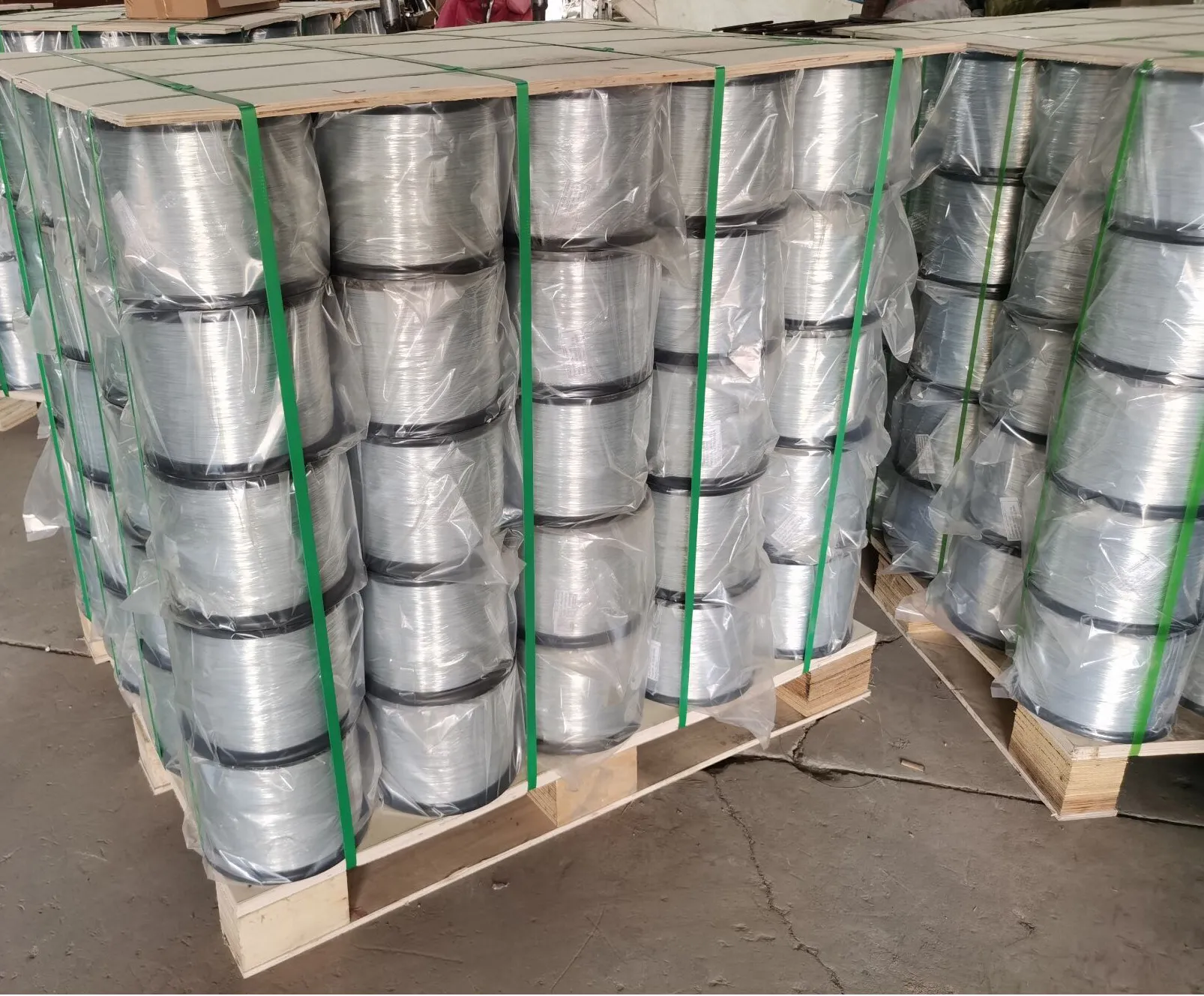
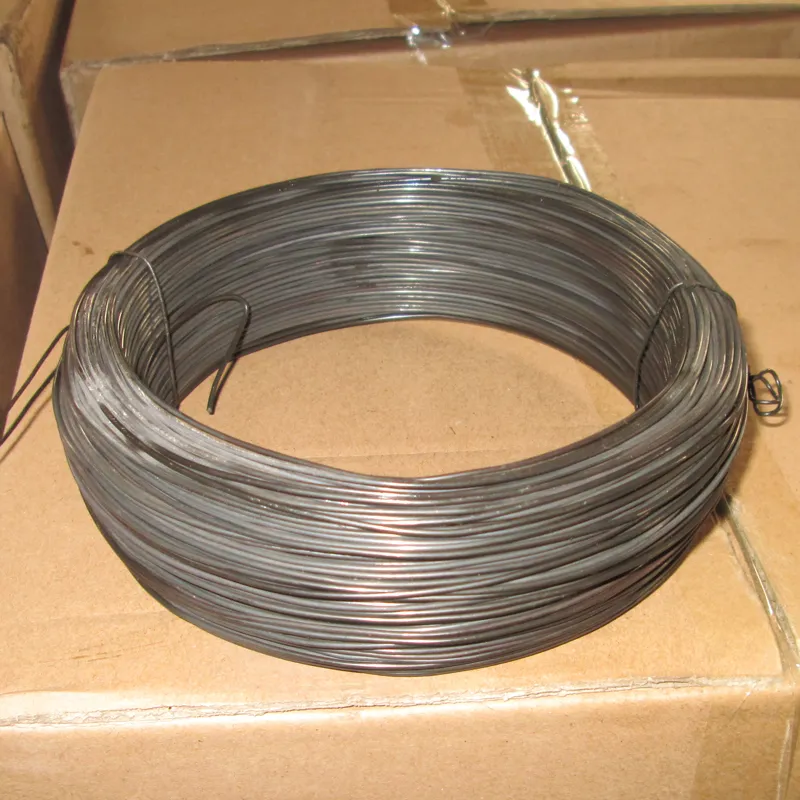
Drywall screws are typically manufactured from carbon steel, specifically C1018 or C1022 steel, chosen for its balance of strength, ductility, and cost-effectiveness. The manufacturing process begins with wire drawing, reducing the steel diameter to the desired gauge for the screw shank. This is followed by cold heading, a process where the wire is formed into the screw head shape using a die and punch. Critical parameters in cold heading include die angle, punch velocity, and lubrication to ensure accurate head formation and prevent material defects. The shank is then rolled with threads using a threading machine, employing a reciprocating die to create the screw threads. Thread pitch and depth are carefully controlled to ensure proper engagement with the drywall and framing material. Following thread rolling, the screws undergo a coating process. Common coatings include zinc plating (most cost-effective, offering moderate corrosion resistance), phosphate coating (improves paint adhesion and corrosion resistance), and polymer coatings (superior corrosion protection, often used in exterior applications). Coating thickness and uniformity are crucial for long-term performance. Heat treatment processes like hardening and tempering are applied to enhance the screw’s strength and prevent brittle fracture. Precise control of temperature and time is vital during heat treatment to achieve the desired mechanical properties. The material’s yield strength is a key factor in determining its load-bearing capacity, while its tensile strength indicates its resistance to breaking under tension. The manufacturing process must consistently meet specified tolerances for dimensional accuracy and material properties to ensure reliable performance.
Performance & Engineering
The performance of drywall screws is governed by several engineering principles. Shear strength is paramount, determining the screw’s ability to resist lateral forces applied to the drywall panel. This is particularly important in areas subject to wind loads or seismic activity. The bugle head design is engineered to minimize damage to the drywall paper facing during installation, preventing crumbling and ensuring a secure hold. The depth of the screw penetration into the framing material significantly impacts its pull-out resistance. Excessive penetration can weaken the framing member, while insufficient penetration reduces holding power. Environmental resistance is a critical consideration. Exposure to moisture can lead to corrosion of the screw material, reducing its strength and potentially causing staining of the drywall. The choice of coating is therefore crucial, with polymer coatings offering the highest level of corrosion protection. Compliance requirements, such as those stipulated by ASTM C1002, dictate minimum performance standards for drywall screws, including shear strength, tensile strength, and corrosion resistance. The screws also need to meet specific standards related to head dimensions and thread geometry to ensure compatibility with automatic screw driving equipment. Finite element analysis (FEA) is often employed during the design process to optimize the screw geometry and material selection for specific loading conditions. Consideration must also be given to the compatibility of the screw material with the framing material (wood or metal) to prevent galvanic corrosion.
Technical Specifications
| Parameter | Unit | Typical Value (1 1/4" Screw) | Tolerance |
|---|---|---|---|
| Screw Length | inches | 1.25 | ±0.01 |
| Diameter (Shank) | inches | 0.083 | ±0.002 |
| Head Diameter | inches | 0.437 | ±0.005 |
| Thread Pitch | threads/inch | 12 | ±0.5 |
| Minimum Shear Strength | lbs | 180 | N/A (Minimum Requirement) |
| Coating Thickness (Zinc) | µm | 5 | ±1 |
Failure Mode & Maintenance
Drywall screw failure can manifest in several ways. Fatigue cracking can occur under repeated loading, particularly in areas subject to vibration or impact. This is often initiated at stress concentrations around the thread roots or head. Shear failure occurs when the screw is subjected to excessive lateral force, exceeding its shear strength. Corrosion is a common failure mode, especially in humid environments, leading to weakening of the screw material and potential staining of the drywall. Hydrogen embrittlement can occur in high-strength screws exposed to certain corrosive environments, leading to brittle fracture. Pull-out failure occurs when the screw loses its grip on the framing material, often due to insufficient penetration or damage to the wood fibers. Maintenance is primarily preventative, focusing on selecting the appropriate screw type and coating for the specific application environment. In areas prone to corrosion, using polymer-coated screws is recommended. Proper installation techniques, including correct screw depth and avoiding over-tightening, are crucial to prevent damage to the drywall and framing. Regular inspection for signs of corrosion or loosening should be conducted, and damaged screws should be replaced promptly. Avoid using screws in direct contact with dissimilar metals (e.g., steel and aluminum) without appropriate isolation measures to prevent galvanic corrosion.
Industry FAQ
Q: What is the primary cost driver for drywall screws?
A: The primary cost driver is the raw material (carbon steel) price, followed by the coating process (zinc, phosphate, or polymer). Manufacturing complexity and thread rolling precision also contribute significantly. Bulk purchasing and long-term contracts can mitigate material cost fluctuations.
Q: How does the coating affect the overall cost and performance?
A: Coatings significantly impact cost. Zinc plating is the least expensive, offering moderate corrosion resistance. Phosphate coating adds cost but improves paint adhesion. Polymer coatings (e.g., ceramic) are the most expensive, providing superior corrosion protection and extended lifespan, particularly in high-humidity or corrosive environments.
Q: What is the difference between Type A and Type AB drywall screws?
A: Type A screws are generally used for wood framing and have a coarser thread. Type AB screws are designed for both wood and metal framing and have a finer thread. Type AB screws typically cost slightly more due to the increased manufacturing precision required for the finer threads.
Q: What are the implications of using a lower-cost screw for a high-moisture application?
A: Using a lower-cost screw (e.g., zinc-plated) in a high-moisture environment will likely result in premature corrosion, leading to reduced holding power and potential failure. This can necessitate costly repairs and replacements. The long-term cost of a more durable, higher-cost screw often outweighs the initial savings.
Q: How do screw length and gauge influence cost and performance?
A: Longer and thicker (higher gauge) screws generally cost more due to increased material usage and manufacturing complexity. However, they offer greater holding power and are necessary for applications requiring higher load capacity. Selecting the appropriate length and gauge is crucial for ensuring structural integrity and preventing failure.
Conclusion
Drywall screw cost is a multifaceted issue, influenced by material selection, manufacturing precision, coating type, and intended application environment. A thorough understanding of these factors is essential for optimizing material procurement and ensuring long-term performance. Focusing solely on the lowest upfront cost can lead to premature failure, increased maintenance expenses, and potential structural issues.
Ultimately, the optimal choice of drywall screws requires a balanced consideration of cost, performance, and environmental conditions. Adhering to relevant industry standards (ASTM, ISO) and employing robust quality control measures throughout the manufacturing process are crucial for ensuring the reliability and longevity of drywall installations. Continuous innovation in coating technologies and material science will likely drive further improvements in drywall screw performance and cost-effectiveness in the future.