



Introduction
Drywall screws are a critical fastening element in modern construction, specifically designed for the attachment of drywall (gypsum board) to wood or metal framing. Their seemingly simple function belies a complex engineering design optimized for shear strength, penetration depth, and ease of installation. Positioned as a consumable component within the broader building materials supply chain, drywall screws represent a significant cost factor in large-scale construction projects. Understanding the factors influencing their cost, material composition, and performance characteristics is crucial for procurement managers, contractors, and structural engineers alike. Core performance metrics center around holding power (axial and shear load capacity), screw withdrawal resistance, corrosion resistance (particularly in humid environments), and consistency of manufacturing to ensure predictable performance. Fluctuations in steel prices, manufacturing efficiencies, and supply chain dynamics directly impact the cost of these essential fasteners. This guide provides an in-depth examination of drywall screw technology, manufacturing processes, performance analysis, and potential failure modes to facilitate informed decision-making.
Material Science & Manufacturing
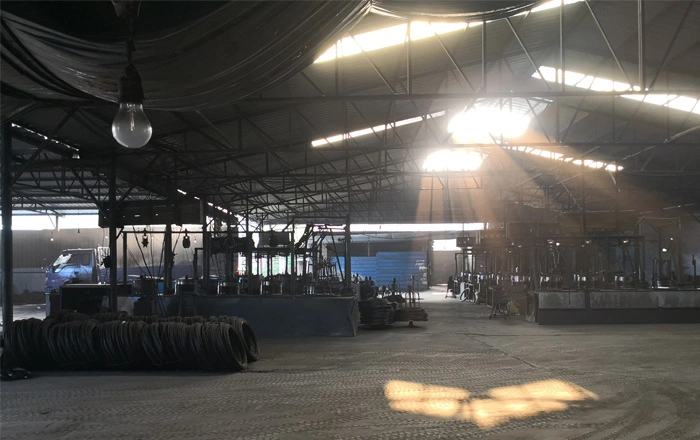
Drywall screws are predominantly manufactured from carbon steel, specifically grades meeting or exceeding ASTM C954 standards. The raw material typically consists of low-carbon steel wire (SAE 1008/1010) selected for its ductility and formability. Higher grades may utilize alloy steels containing manganese, phosphorus, and sulfur to enhance hardness and tensile strength. The screw head is generally formed from the same material, though some specialized screws employ different materials for the head to improve driver engagement. Manufacturing begins with cold heading, a process where the steel wire is fed into a machine that forms the screw head. This cold forming process work-hardens the steel, increasing its tensile strength. Following heading, the screw body is rolled to create the threads. Thread rolling is preferred over machining, as it preserves the grain structure of the steel, increasing its strength and reducing the risk of stress concentrations. A critical parameter is the thread pitch and depth, meticulously controlled to ensure optimal holding power and prevent stripping. After threading, the screws undergo a surface treatment process. Common coatings include zinc plating (most prevalent for corrosion resistance), phosphate coating (providing a base for paint or other coatings), and occasionally polymer coatings for increased durability in specific environments. The quality of the coating directly impacts the screw's resistance to corrosion and its overall lifespan. Quality control measures at each stage, including dimensional checks, hardness testing, and coating thickness verification, are paramount to ensuring consistent product performance. Improper heat treatment can lead to brittle screws prone to snapping under load. Variations in steel composition directly affect the cost; higher alloy content increases material cost but also enhances performance characteristics.
Performance & Engineering
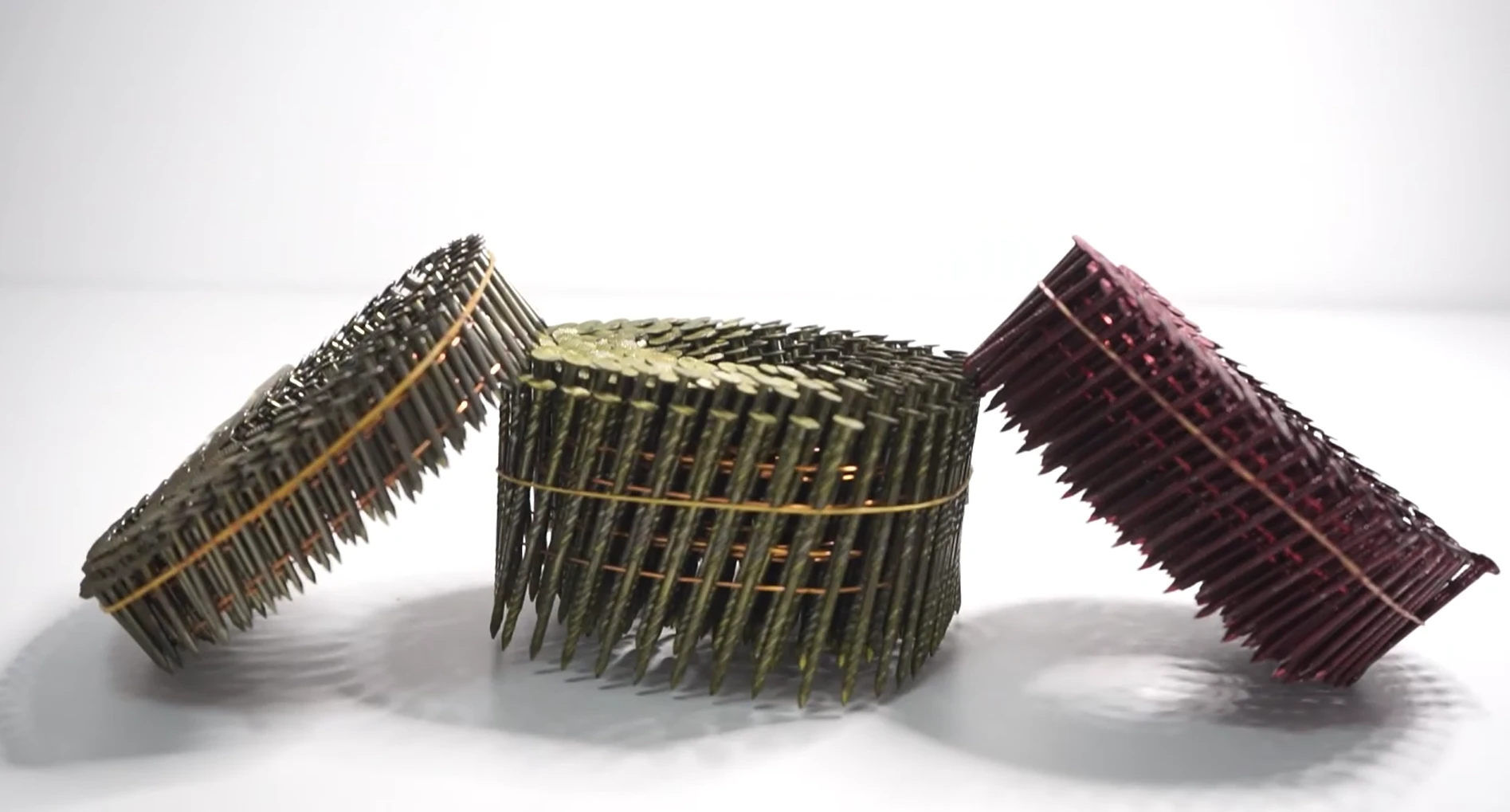
The performance of a drywall screw is fundamentally governed by its ability to resist shear and tensile forces. Shear strength is particularly important, as drywall applications primarily rely on the screw's ability to prevent slippage between the drywall and framing. This is quantified through standardized shear testing procedures (ASTM C162). Tensile strength dictates the screw's resistance to pull-out forces, a crucial consideration when supporting heavier objects attached to the drywall. The screw’s point geometry – sharp, blunt, or self-drilling – influences its penetration characteristics and the torque required for installation. Sharp points generally require less torque but can be more prone to wandering. Environmental resistance is another key performance factor. Corrosion is a significant concern, particularly in humid climates or applications exposed to moisture. The zinc coating thickness and quality are directly correlated with corrosion resistance. Furthermore, the compatibility of the screw material with the framing material (wood or metal) must be considered. Galvanic corrosion can occur when dissimilar metals are in contact in the presence of an electrolyte (moisture). For metal framing, screws specifically designed for metal framing are essential to prevent this. Compliance requirements, such as those mandated by building codes (IBC, IRC), dictate the minimum performance standards for drywall screws used in specific applications. These codes specify requirements for screw spacing, edge distance, and holding power. Proper installation torque is also critical; over-torquing can strip the threads or damage the drywall, while under-torquing results in insufficient holding power. Finite element analysis (FEA) is often used during the design phase to optimize screw geometry and predict performance under various loading conditions.
Technical Specifications
| Diameter (Gauge) | Length (inches) | Head Type | Point Type | Material | Coating |
|---|---|---|---|---|---|
| #6 | 1 1/4 | Bugle | Sharp | Carbon Steel (SAE 1008) | Zinc Plated |
| #7 | 1 5/8 | Bugle | Sharp | Carbon Steel (SAE 1010) | Zinc Plated |
| #8 | 1 5/8 | Bugle | Sharp | Carbon Steel (SAE 1010) | Zinc Plated |
| #8 | 2 1/2 | Bugle | Sharp | Carbon Steel (SAE 1010) | Zinc Plated |
| #9 | 2 1/2 | Bugle | Sharp | Carbon Steel (SAE 1010) | Zinc Plated |
| #8 | 1 5/8 | Bugle | Self-Drilling | Carbon Steel (SAE 1010) | Phosphate Coated |
Failure Mode & Maintenance
Drywall screw failure can manifest in several ways. Shear failure, where the screw body snaps under lateral load, is common in areas subjected to repeated stress or impact. This is often exacerbated by using screws with insufficient shear strength for the application. Tensile failure, resulting in pull-out, occurs when the screw loses its grip on the drywall or framing. This can be due to insufficient screw length, stripped threads, or improper installation. Corrosion is a significant contributor to failure, weakening the screw and reducing its holding power over time. Hydrogen embrittlement, a phenomenon where hydrogen atoms diffuse into the steel, can occur in highly stressed screws exposed to corrosive environments, leading to brittle fracture. Thread stripping can occur during installation, especially with power tools if the clutch is not properly adjusted. Fatigue cracking can develop in screws subjected to cyclical loading, eventually leading to failure. Regular inspection of installed screws is recommended, particularly in high-stress areas. If corrosion is evident, replacement with corrosion-resistant screws is advised. For screws that have been over-torqued or stripped, replacement is essential. Preventive maintenance involves ensuring proper storage conditions to avoid corrosion and using appropriate screw types for specific applications. Use of properly calibrated torque drivers during installation will prevent over-torquing. Maintaining a consistent installation technique reduces variability and minimizes the risk of premature failure.
Industry FAQ
Q: What is the impact of fluctuating steel prices on drywall screw costs?
A: Steel constitutes a significant portion of the raw material cost for drywall screws. Increases in global steel prices, driven by factors like supply chain disruptions, tariffs, and increased demand, directly translate into higher screw costs. Manufacturers may implement surcharges to account for these fluctuations. Conversely, decreases in steel prices can lead to lower screw costs, although these savings are not always immediately passed on to consumers.
Q: What are the key differences between Type A and Type B drywall screws, and when should each be used?
A: Type A screws are generally used for attaching drywall to wood framing, featuring a coarser thread for better grip in wood fibers. Type B screws are designed for metal framing and have a sharper, finer thread to penetrate metal studs effectively. Using the incorrect type can significantly reduce holding power and increase the risk of failure. Type B screws are also often phosphate coated to prevent galvanic corrosion with metal studs.
Q: How does the zinc coating thickness affect corrosion resistance?
A: The zinc coating provides a barrier between the steel and the corrosive environment. A thicker zinc coating generally offers superior corrosion resistance. Coating thickness is typically measured in microns or weight per unit area. The industry standard for drywall screw zinc coating thickness is usually between 5-10 microns, but higher thicknesses are available for more demanding applications.
Q: What is the role of the bugle head design, and are there alternatives?
A: The bugle head design is specifically engineered to embed slightly into the drywall surface without tearing the paper facing. This creates a stronger, more aesthetically pleasing finish. Alternatives include wafer heads and trumpet heads, but these are less common for general drywall applications. Improper bugle head depth can lead to the screw tearing the paper and compromising holding power.
Q: How can I determine the appropriate screw length for a specific drywall thickness?
A: A general rule of thumb is to ensure that at least one inch of the screw penetrates into the framing member. For standard 1/2-inch drywall, a 1 1/4-inch screw is typically sufficient for wood framing. For metal framing, a 3/8-inch to 1/2-inch penetration is usually adequate. For thicker drywall (5/8-inch), longer screws (1 5/8-inch or longer) are required to ensure adequate penetration.
Conclusion
Drywall screws, despite their seemingly mundane nature, are precision-engineered fasteners critical to the integrity and longevity of building structures. Their cost is influenced by a complex interplay of material prices, manufacturing processes, and coating technologies. Understanding the interplay between material science, performance characteristics, and industry standards is essential for optimizing procurement strategies and ensuring structural soundness. Proper selection, installation, and maintenance of drywall screws are paramount to preventing premature failure and maintaining the long-term performance of drywall assemblies.
Future innovations in drywall screw technology may focus on enhanced corrosion resistance through advanced coatings, self-tapping designs for improved installation efficiency, and the development of sustainable materials. Furthermore, advancements in quality control processes, leveraging machine learning and predictive analytics, will continue to drive down costs and improve product consistency. Prioritizing a thorough understanding of these factors will empower stakeholders across the construction industry to make informed decisions and maximize the value of this essential fastening element.