



Introduction
Drywall screws specifically utilized for door hinge mounting represent a critical fastening element in residential and commercial construction. While seemingly simple, their performance directly impacts door operation, longevity, and structural integrity. This guide provides an in-depth technical analysis of these screws, encompassing material science, manufacturing processes, performance characteristics, potential failure modes, and relevant industry standards. These fasteners differ significantly from standard drywall screws due to the dynamic loading conditions imposed by door operation – repeated opening and closing creating shear and tensile stresses. Incorrect selection can lead to hinge failure, door misalignment, and safety concerns. This analysis focuses on screws designed specifically for hinge applications, often featuring enhanced features like thread locking compounds and specialized head geometries to mitigate these issues. The industry faces challenges relating to corrosion resistance in varying humidity environments, maintaining consistent screw drive engagement, and ensuring adequate shear strength to support the weight and operation of the door. Understanding these factors is paramount for specifying and installing reliable door hinge fasteners.
Material Science & Manufacturing
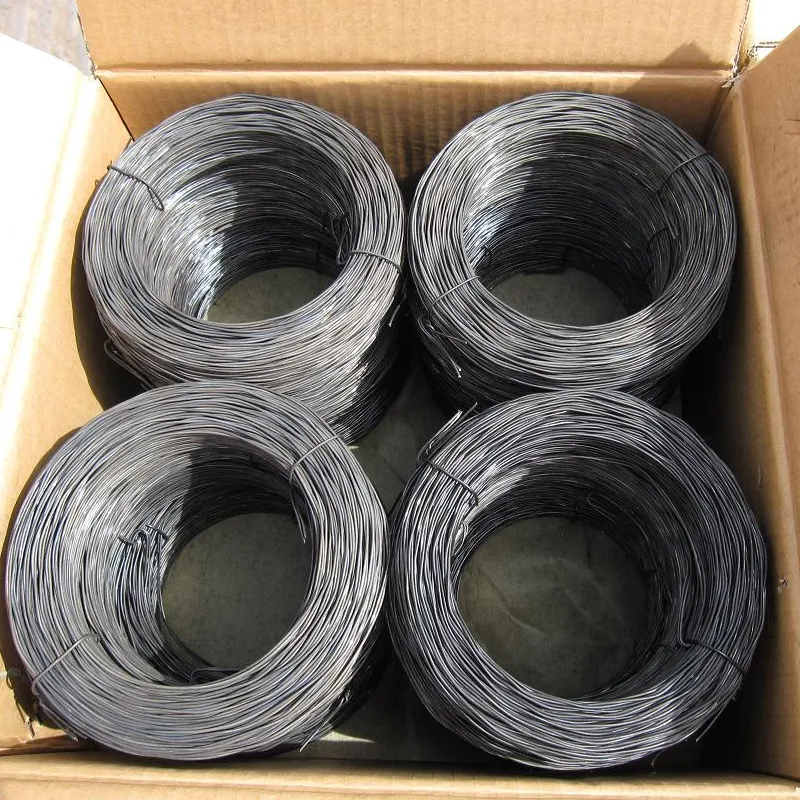
The predominant material for drywall screws intended for door hinges is carbon steel, typically SAE 1022 or equivalent. This steel offers a balance of tensile strength, ductility, and cost-effectiveness. However, the core property affecting long-term performance is corrosion resistance. Standard carbon steel screws are susceptible to rust, particularly in humid environments. Consequently, most hinge screws undergo post-manufacturing surface treatments. Common coatings include zinc plating (mechanized or electrolytic), black phosphate, and increasingly, specialized ceramic coatings offering superior corrosion protection. The manufacturing process begins with cold heading, where wire stock is fed into a header die and formed into the screw shape. This process work-hardens the material, increasing its tensile strength. Thread rolling, rather than cutting, is typically employed to create the screw threads; this maintains the grain flow of the steel, enhancing its shear strength. Head forming dictates the screw’s drive type – Phillips, Pozidriv, or Torx (star) being the most common. Torx drives offer superior torque transmission and reduced cam-out, crucial for consistent installation. Quality control throughout manufacturing involves rigorous dimensional checks, coating thickness measurement, and destructive testing (tensile and shear) to ensure compliance with specifications. The precise control of heat treatment parameters, such as austenitizing temperature and cooling rate, is vital for achieving the desired mechanical properties. Furthermore, the purity of the steel alloy and the quality of the coating material significantly influence long-term durability.
Performance & Engineering
The performance of drywall screws in door hinge applications hinges on several key engineering considerations. Firstly, shear strength is paramount. The screws must withstand the lateral forces exerted by the door's weight and movement. Finite element analysis (FEA) is often used to model the stress distribution within the screw and surrounding materials (door frame and hinge plate) under load. Tensile strength is also critical, particularly during installation, to prevent stripping of the screw head or thread. The geometry of the screw head plays a crucial role. Bugle head screws are common, designed to countersink flush with the hinge plate, minimizing obstruction. The length of the screw must be sufficient to penetrate the door frame stud deeply enough to provide adequate holding power, typically a minimum of 1.5 inches. The thread pitch and diameter affect the screw’s pull-out resistance. Corrosion resistance is a major performance factor, especially in exterior doors or high-humidity environments. Environmental testing, including salt spray testing (ASTM B117), is used to evaluate the effectiveness of different coatings. Compliance with building codes and standards related to fire safety and structural integrity is essential. The screw’s ability to maintain its integrity under cyclical loading (repeated door opening and closing) is also a critical performance characteristic, often assessed through fatigue testing. Consideration must also be given to the interaction between the screw material and the door frame material (typically wood or metal) to avoid galvanic corrosion.
Technical Specifications
| Parameter | Standard Drywall Screw | Door Hinge Screw (Premium) | Door Hinge Screw (Standard) |
|---|---|---|---|
| Material | SAE 1022 Carbon Steel | SAE 1022 Carbon Steel with Ceramic Coating | SAE 1022 Carbon Steel with Zinc Plating |
| Diameter | #6, #8 | #8, #10 | #8 |
| Length | 1-1/4", 1-5/8", 2" | 1-5/8", 2", 2-1/2" | 1-5/8", 2" |
| Shear Strength (lbs) | 500-800 | 1200-1500 | 800-1000 |
| Tensile Strength (lbs) | 600-900 | 1300-1600 | 900-1200 |
| Coating | Zinc Plating | Ceramic Coating (e.g., Geomet) | Zinc Plating (Mechanized) |
Failure Mode & Maintenance
Common failure modes for drywall screws used in door hinges include shear failure (screw breaks due to excessive lateral force), pull-out failure (screw loses its grip in the frame stud), stripping of the screw head (drive bit cam-out damages the head), and corrosion-induced failure (rust weakens the screw). Shear failure is often a result of undersized screws or inadequate screw length. Pull-out failure can occur in soft wood or if the screw holes are pre-drilled too large. Stripping is minimized by using Torx drives and applying consistent torque during installation. Corrosion is a progressive failure mode that can be mitigated by using screws with superior coatings. Fatigue cracking can occur over time due to the cyclical loading of the door. Regular maintenance involves inspecting the screws for signs of corrosion or loosening. If screws are found to be loose, they should be replaced with new screws of the same specifications. Applying a lubricant (specifically designed for fasteners) during installation can reduce friction and stress on the screw. Preventative measures include ensuring the door is properly aligned to minimize uneven stress distribution on the hinges and avoiding over-tightening the screws, which can damage both the screw and the door frame. If corrosion is prevalent, consider using stainless steel screws as a long-term solution, although they are generally more expensive.
Industry FAQ
Q: What differentiates a drywall screw specifically for door hinges from a standard drywall screw?
A: Door hinge screws are engineered for higher shear and tensile strength due to the dynamic loading from door operation. They typically feature improved corrosion resistance through specialized coatings like ceramic finishes and often utilize Torx drive systems for reduced cam-out and better torque transmission. Standard drywall screws lack these enhancements and are prone to failure under these stresses.
Q: How does the coating type affect the lifespan of the screw, particularly in exterior applications?
A: Coating type is crucial. Zinc plating offers basic corrosion resistance, but ceramic coatings (like Geomet) provide significantly superior protection against rust and environmental degradation, extending the screw's lifespan considerably, especially in humid or corrosive environments. Stainless steel offers the highest level of corrosion resistance but at a higher cost.
Q: What screw length is recommended for optimal holding power in a standard 2x4 door frame stud?
A: A minimum penetration depth of 1.5 inches into the stud is recommended. For a 2x4 stud, a 2-inch or 2.5-inch screw length is generally optimal, ensuring sufficient engagement without penetrating through the stud. Consider the thickness of the hinge plate when selecting screw length.
Q: What torque setting should be used when installing door hinge screws to avoid stripping the head?
A: Torque settings vary depending on the screw size and drive type. Using a calibrated torque screwdriver or drill with adjustable clutch is recommended. A general guideline for #8 screws with a Torx drive is 6-8 inch-pounds. Overtightening dramatically increases the risk of stripping.
Q: What impact does the screw material have on the potential for galvanic corrosion when used with metal door frames?
A: Dissimilar metals in contact can cause galvanic corrosion. If using steel screws with aluminum or other dissimilar metal frames, a barrier coating or isolation method is recommended. Stainless steel screws are less prone to galvanic corrosion, but proper selection is still vital to avoid issues.
Conclusion
The selection and installation of drywall screws for door hinges is a deceptively complex process, requiring consideration of material science, manufacturing quality, and engineering principles. Optimizing performance demands a shift away from generic drywall screws toward fasteners specifically designed for the cyclical loading and environmental challenges inherent in door hinge applications. Choosing screws with enhanced shear strength, corrosion resistance, and drive systems is vital for ensuring long-term door operation and structural integrity.
Future advancements will likely focus on further improving coating technologies to provide even greater corrosion protection and exploring new alloy compositions to enhance screw strength and durability. Continued refinement of FEA modeling will allow for more precise optimization of screw geometry and sizing for specific door and frame configurations. A holistic approach to fastener selection, incorporating proper installation techniques and regular maintenance, will ultimately deliver the most reliable and cost-effective solution.