



Introduction
Drywall screws designed for television mounting represent a specialized subset of fastening hardware critical for secure and reliable display installation. Unlike general-purpose drywall screws, those intended for TV mounts necessitate superior shear strength, thread engagement, and often, specialized geometries to counteract dynamic loads and vibrational stresses. These fasteners function at the intersection of structural engineering, material science, and consumer safety. Their position within the industry chain is as a final, but crucial, component in a larger system encompassing wall structure (studs, drywall), mounting bracket design, and television weight/size. Core performance characteristics revolve around pull-out resistance, shear capacity, and long-term retention of clamping force, with failure potentially resulting in equipment damage, personal injury, and liability concerns. The selection of appropriate drywall screws is therefore paramount and dictates the safety and longevity of the entire TV mounting system.
Material Science & Manufacturing
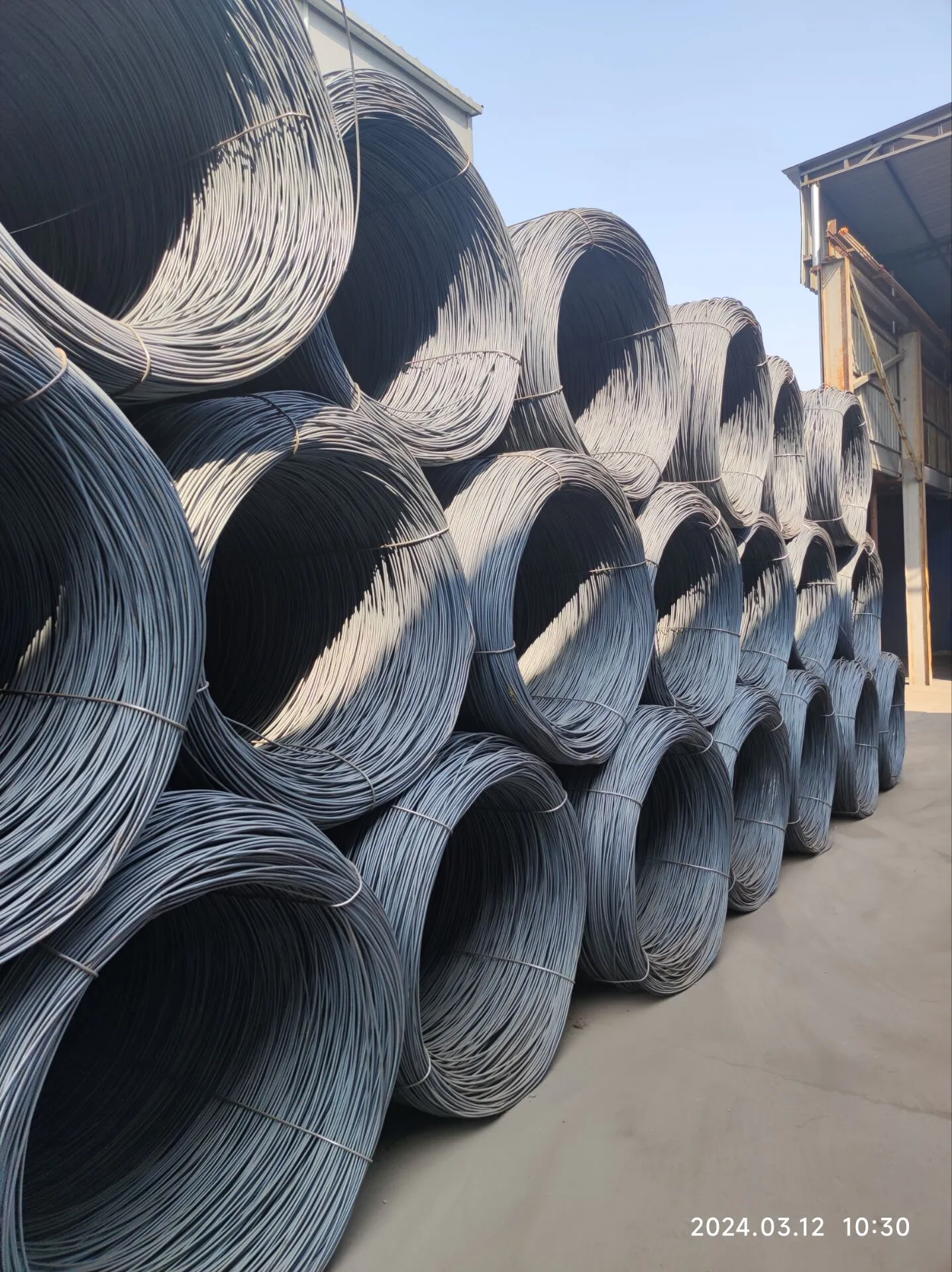
The predominant material used in drywall screws for TV mounting is carbon steel, typically AISI 1022 or similar grades offering a balance of strength and ductility. Steel selection is based on tensile strength (typically exceeding 850 MPa), yield strength (around 580 MPa), and elongation properties to prevent brittle fracture. Manufacturing begins with cold heading of steel wire, forming the screw head and partial thread. A key consideration is the thread form; coarser threads are favored for drywall applications due to their increased holding power in the relatively soft drywall material. The screws undergo thread rolling, a cold-forming process that work-hardens the steel, increasing its strength and fatigue resistance. A critical parameter in this process is the rolling pressure, which directly affects thread accuracy and surface finish. Surface treatments are applied to enhance corrosion resistance. Common coatings include zinc plating (electrogalvanizing), black phosphate, and increasingly, polymer coatings. Zinc plating provides sacrificial protection, while phosphate coatings create a base for paint or other protective layers. Polymer coatings offer enhanced corrosion protection and aesthetic appeal. Heat treatment processes, like quenching and tempering, are sometimes employed for higher-strength screws, altering the martensitic structure of the steel. Quality control throughout the manufacturing process is vital, including dimensional inspections, hardness testing (Rockwell C scale), and coating thickness verification. Screw drives are predominantly Phillips or Torx, selected for their torque transmission capabilities and resistance to cam-out.
Performance & Engineering
The performance of drywall screws in TV mounting applications is dictated by several engineering principles. Foremost is the analysis of shear forces. The television’s weight creates a static shear load on the screws, amplified by dynamic loads induced by vibration (e.g., from sound systems or accidental impact). The screw’s shear strength, determined by its material properties and thread engagement area, must exceed these combined loads with a significant safety factor. Pull-out resistance, the force required to extract the screw from the drywall, is another crucial parameter. This is dependent on the screw diameter, thread pitch, drywall thickness, and the quality of the screw’s thread engagement. Finite element analysis (FEA) is often employed to model stress distributions within the screw and surrounding drywall, optimizing screw geometry and placement. Environmental resistance is also critical. Temperature fluctuations, humidity, and potential exposure to corrosive agents can degrade the screw’s material and coating, reducing its strength and longevity. Compliance requirements are dictated by building codes and safety standards (discussed in the footer). Proper installation technique is paramount; over-tightening can strip the threads in the drywall, reducing holding power, while under-tightening can lead to movement and eventual failure. Consideration must be given to the type of wall stud (wood or metal) and the appropriate screw length to ensure adequate penetration. Furthermore, the mounting bracket itself introduces load distribution considerations, impacting the optimal screw pattern and spacing.
Technical Specifications
| Diameter (inches) | Length (inches) | Tensile Strength (PSI) | Shear Strength (PSI) |
|---|---|---|---|
| #8 (0.164) | 1 1/4 | 850+ | 650+ |
| #8 (0.164) | 1 1/2 | 850+ | 650+ |
| #8 (0.164) | 2 | 850+ | 650+ |
| #10 (0.190) | 1 1/2 | 900+ | 700+ |
| #10 (0.190) | 2 | 900+ | 700+ |
| #10 (0.190) | 2 1/2 | 900+ | 700+ |
Failure Mode & Maintenance
Common failure modes in drywall screws used for TV mounting include thread stripping, pull-out failure, shear fracture, and corrosion. Thread stripping occurs when the screw is over-tightened, exceeding the shear strength of the drywall material and stripping the threads. Pull-out failure results from insufficient thread engagement, often due to screws being too short or the drywall being damaged. Shear fracture happens when the applied shear load exceeds the screw’s shear strength, causing the screw shank to break. Corrosion, particularly in humid environments, can weaken the steel and reduce its load-bearing capacity. Fatigue cracking can also occur due to repeated vibrations, slowly propagating cracks until the screw fails catastrophically. Prevention relies on proper screw selection (diameter, length, material), correct installation technique (avoiding over-tightening), and ensuring the mounting bracket is securely attached to wall studs. Maintenance involves periodic inspection of the screws for signs of loosening, corrosion, or damage. If screws appear loose, they should be tightened (carefully to avoid stripping) or replaced. Rust or corrosion should be addressed with corrosion inhibitors or replacement. If the drywall surrounding the screw is damaged, the screw should be relocated to a solid section of drywall or a stud. Regular inspection (e.g., every six months) is recommended, especially in areas prone to vibration or humidity. Note: Attempting to repair severely damaged drywall is often less effective than replacing the drywall section entirely and re-installing the mount.
Industry FAQ
Q: What is the primary difference between a standard drywall screw and one specifically designed for TV mounting?
A: Standard drywall screws typically have lower shear strength and may lack corrosion-resistant coatings adequate for long-term TV mount applications. TV mount screws are engineered for higher shear loads, often feature enhanced coatings (e.g., polymer coatings), and may have optimized thread designs for increased pull-out resistance.
Q: How do I determine the correct screw length for my application?
A: The screw length should be sufficient to penetrate at least 1.5 inches into the wall stud. If mounting directly into drywall without a stud, use longer screws specifically designed for drywall anchors, ensuring the anchor is properly rated for the TV’s weight. Always verify the thickness of your drywall and mounting bracket to determine the optimal screw length.
Q: What type of screw drive is preferable for TV mounting – Phillips or Torx?
A: Torx drives generally offer superior torque transmission and reduced cam-out compared to Phillips drives, minimizing the risk of stripping the screw head. Torx is highly recommended for heavier TVs or installations requiring precise torque control.
Q: How important is corrosion resistance?
A: Corrosion resistance is critically important, especially in humid environments. Screws lacking adequate corrosion protection can weaken over time, leading to failure. Polymer-coated screws provide the best long-term corrosion resistance.
Q: Can I reuse drywall screws after removing a TV mount?
A: Reusing drywall screws is generally not recommended. The threads may be damaged, and the screws may have lost some of their strength. Using new screws ensures maximum holding power and safety.
Conclusion
The selection and proper installation of drywall screws for TV mounting are fundamental to ensuring a safe and reliable display installation. Understanding the material science behind screw manufacturing, the engineering principles governing load distribution, and the potential failure modes is crucial for making informed decisions. Simply choosing the ‘largest’ screw is insufficient; a holistic approach considering screw diameter, length, material, coating, and installation technique is paramount.
Future advancements in drywall screw technology will likely focus on enhanced corrosion resistance through novel coating materials, improved thread designs for maximizing pull-out resistance in various drywall compositions, and the development of smart fasteners incorporating sensors to monitor load levels and detect potential failures. Prioritizing quality, adhering to industry standards, and performing regular maintenance will remain essential for the long-term integrity of TV mounting systems.