



Introduction
Drywall screws specifically designed for use with cement board represent a critical fastening solution in modern construction. Cement board, a durable and fire-resistant substrate commonly used in areas exposed to moisture, necessitates specialized fasteners beyond those used for traditional gypsum drywall. These screws differ significantly in material composition, thread geometry, and head design to ensure adequate penetration, pull-out resistance, and corrosion protection within the highly alkaline environment of cement board. This guide provides an in-depth analysis of these fasteners, covering material science, manufacturing processes, performance characteristics, potential failure modes, and relevant industry standards. The increasing demand for durable, moisture-resistant construction materials underscores the importance of understanding the nuances of fastener selection for cement board applications, particularly regarding long-term structural integrity and compliance with building codes. A key pain point within the industry is premature fastener failure due to corrosion, inadequate penetration depth, or stripping of screw heads, leading to costly repairs and potential safety hazards.
Material Science & Manufacturing
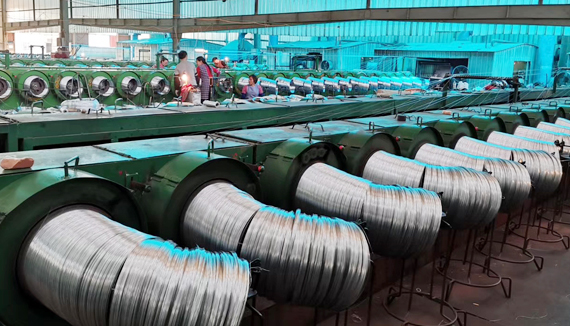
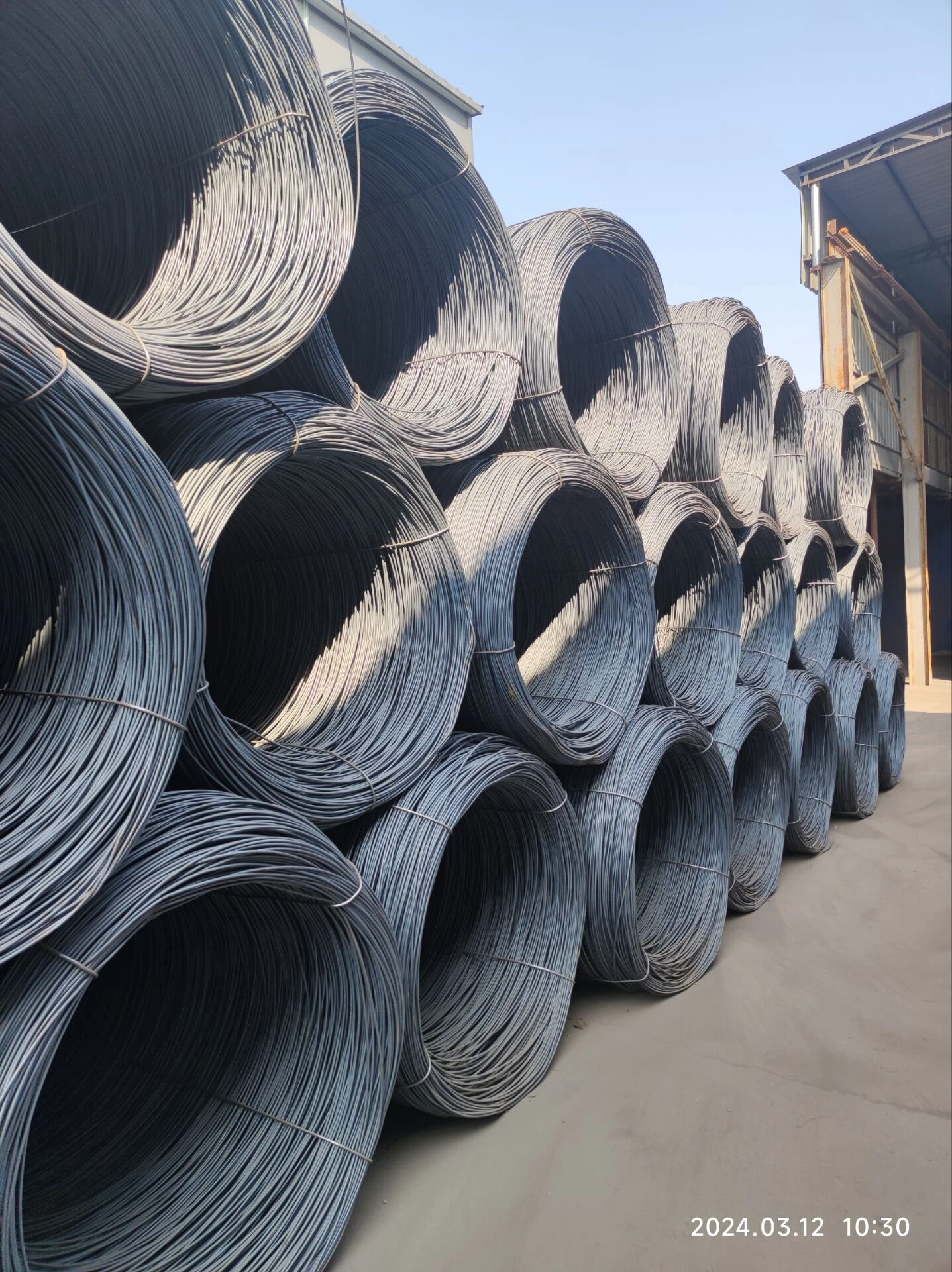
Drywall screws for cement board are typically manufactured from carbon steel, but critically, they feature a specialized coating to resist the alkalinity of the cement board material (typically exceeding pH 10). The most common coating is a phosphate coating, often followed by a polymer or epoxy coating. The phosphate layer provides a keying surface for the polymer, enhancing adhesion and corrosion resistance. The steel itself usually conforms to SAE 1022 or similar carbon steel specifications, offering a balance between strength and ductility. The manufacturing process begins with cold forming of the screw head and shank from wire stock. This process work-hardens the steel, increasing its tensile strength. Thread rolling, rather than cutting, is employed to maintain the grain structure of the steel, preventing stress concentrations that could lead to fracture. Screw head styles commonly used include bugle and wafer heads, the former being self-countersinking and the latter providing a larger bearing surface. A critical manufacturing parameter is the precise control of the thread pitch and depth. Too shallow a thread engagement in the cement board leads to reduced pull-out resistance, while excessive thread depth can cause cracking of the cement board. The polymer coating process utilizes dip coating or electrostatic spraying, with strict control of film thickness to ensure uniform protection. Quality control involves rigorous testing of coating adhesion, salt spray resistance (ASTM B117), and mechanical properties like tensile strength and shear strength. Hydrogen embrittlement is a potential issue during the phosphate coating process; post-coating heat treatment is often employed to mitigate this risk.
Performance & Engineering
The performance of drywall screws in cement board is primarily governed by their pull-out strength, shear strength, and corrosion resistance. Pull-out strength refers to the load required to dislodge the screw from the cement board, and is heavily influenced by thread engagement, screw diameter, and the density of the cement board itself. Shear strength, the screw's resistance to lateral forces, is crucial for applications subject to wind loads or other lateral stresses. Engineering calculations must consider the material properties of both the screw and the cement board. Cement board, while durable, is brittle and prone to cracking if over-stressed during screw installation. The screw’s point geometry is critical; a sharp, self-drilling point minimizes splitting, while a blunt point may require pre-drilling. Fatigue loading, resulting from cyclical stresses, is also a key consideration, particularly in structures subject to vibration or frequent loading changes. Finite element analysis (FEA) is often used to model the stress distribution around the screw, optimizing screw placement and minimizing stress concentrations. Compliance requirements, dictated by building codes (IBC, IRC), specify minimum fastener spacing and edge distance to ensure adequate load distribution and prevent cracking. The alkaline environment of cement board promotes galvanic corrosion if dissimilar metals are used in proximity; therefore, it is vital to ensure compatibility between the screw material and any adjacent structural elements. Consideration must also be given to thermal expansion coefficients of both the screw and cement board to avoid induced stresses.
Technical Specifications
| Parameter | Typical Value (Imperial) | Typical Value (Metric) | Test Standard |
|---|---|---|---|
| Screw Diameter | #8, #9, #10 | 4.2mm, 4.5mm, 5.0mm | ASTM F488 |
| Screw Length | 1-1/4", 1-5/8", 2" | 31.75mm, 41.28mm, 50.8mm | ASTM F488 |
| Minimum Tensile Strength | 80,000 PSI | 550 MPa | ASTM F488 |
| Minimum Shear Strength | 40,000 PSI | 275 MPa | ASTM F488 |
| Coating Thickness (polymer) | 0.0008" – 0.0012" | 20-30 μm | ASTM B117 (Salt Spray) |
| Point Style | Bugle, Wafer | Bugle, Wafer | Manufacturer Specification |
Failure Mode & Maintenance
The primary failure modes for drywall screws in cement board are corrosion, stripping of the screw head, shear failure, and pull-out failure. Corrosion is accelerated by the high alkalinity of the cement board and exposure to moisture. Inadequate coating thickness or breaches in the coating (e.g., from over-tightening) initiate corrosion, leading to weakening of the screw and eventual failure. Stripping of the screw head occurs when excessive torque is applied during installation, exceeding the shear strength of the screw head material. Shear failure happens when the screw is subjected to lateral loads exceeding its shear strength. Pull-out failure is related to insufficient thread engagement in the cement board, compounded by the cement board’s brittle nature. Maintenance involves periodic inspection of screw heads for signs of corrosion or loosening. If screws are found to be corroded, they should be replaced with appropriately coated screws. To prevent failure, screws should be driven to the correct depth – flush with the surface, but not overdriven – to avoid damaging the cement board and compromising the coating. Using a clutch-controlled drill/driver is crucial to avoid over-tightening. Preventative measures include ensuring proper ventilation to reduce moisture levels and protecting the cement board from direct exposure to harsh weather conditions. Routine visual inspection can identify early signs of corrosion, allowing for proactive replacement of compromised fasteners.
Industry FAQ
Q: What is the difference between drywall screws for gypsum board and those for cement board?
A: Drywall screws for gypsum board typically have a black phosphate coating, which is not sufficient for the highly alkaline environment of cement board. Cement board screws utilize a heavier phosphate coating followed by a polymer or epoxy coating to provide superior corrosion resistance. Additionally, cement board screws often have a different thread geometry optimized for the denser, harder material of cement board.
Q: Can I use stainless steel screws instead of coated carbon steel screws in a cement board application?
A: While stainless steel offers excellent corrosion resistance, it's significantly more expensive. For most applications, a properly coated carbon steel screw will provide adequate performance and cost-effectiveness. However, in extremely corrosive environments (e.g., coastal areas), stainless steel may be justified.
Q: What torque setting should I use when installing screws into cement board?
A: Torque settings vary depending on screw size, drill/driver type, and cement board thickness. It's essential to consult the screw manufacturer's recommendations. Typically, a clutch-controlled drill/driver is used, and the clutch setting is adjusted until the screw is driven flush with the surface without stripping the head or damaging the cement board.
Q: How important is pre-drilling when installing screws into cement board?
A: Pre-drilling is generally recommended, especially with thinner cement board or when working near edges. It minimizes the risk of cracking the cement board and ensures proper screw penetration. The drill bit size should be slightly smaller than the screw’s minor diameter.
Q: What should I look for when inspecting installed screws for potential failure?
A: Look for signs of corrosion, such as rust or discoloration around the screw head. Also, check for screws that are protruding, stripped, or loose. Any screws exhibiting these characteristics should be replaced immediately.
Conclusion
The selection and proper installation of drywall screws for cement board are paramount to ensuring the long-term durability and structural integrity of construction projects. The specialized coatings and material properties of these fasteners are specifically designed to withstand the harsh alkaline environment and demanding performance requirements of cement board applications. Understanding the failure modes – corrosion, stripping, shear failure, and pull-out – allows for proactive maintenance and preventative measures to mitigate risks.
Future developments in fastener technology will likely focus on enhanced corrosion resistance through novel coating materials and improved screw geometries that maximize pull-out strength and minimize stress concentrations within the cement board. Adherence to industry standards and best practices, combined with careful attention to detail during installation, remains crucial for achieving reliable and long-lasting fastening solutions in cement board construction.