




Introduction
The installation of fasteners into drywall, commonly referred to as gypsum board, is a foundational construction practice for interior finishing. This process, seemingly simple, is governed by a complex interplay of material properties, fastener mechanics, and building code requirements. Drywall screws are specifically engineered to securely attach drywall sheets to framing members (wood or metal), creating a continuous surface ready for decoration. This guide provides a comprehensive technical overview of the process, encompassing material science, installation techniques, performance characteristics, failure modes, and relevant industry standards. The core performance metric revolves around holding power, resisting pull-through and shear forces, and maintaining dimensional stability of the finished wall assembly. Failure to adhere to proper techniques or select appropriate fasteners can result in compromised structural integrity, aesthetic deficiencies, and potential safety hazards.
Material Science & Manufacturing
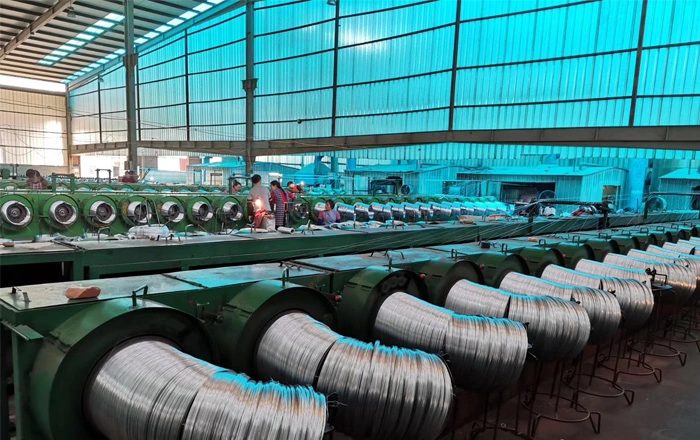
Drywall itself is primarily composed of gypsum (calcium sulfate dihydrate – CaSO4·2H2O), a relatively soft mineral. The manufacturing process involves crushing and heating gypsum to remove water, creating calcium sulfate hemihydrate (CaSO4·½H2O). This hemihydrate is then mixed with additives like starch, paper fibers, and accelerators, and sandwiched between two layers of paper facing. The paper facing provides tensile strength and a surface for decoration. Drywall screws are typically manufactured from hardened steel, often carbon steel that has undergone a case-hardening process to provide a strong, durable exterior while retaining a degree of flexibility within the core. Phosphate coatings (often black phosphate) are applied to enhance corrosion resistance and provide a surface for paint adhesion. The screw thread design is critical; a coarse thread is optimized for wood framing, while a fine thread is preferred for metal studs. Screw head types (bugle, trumpet, flat) influence the ability to countersink the screw without tearing the drywall paper facing. The precise control of steel composition, heat treatment, and coating application are paramount to achieving the required shear and tensile strength. Manufacturing tolerances, particularly thread pitch and screw diameter, are subject to stringent quality control measures.
Performance & Engineering
The performance of a drywall screw installation is dictated by several key engineering principles. Force analysis centers on the shear and tensile stresses experienced by the screw. Shear stress arises from lateral loads acting on the wall, while tensile stress results from pull-out forces. The holding power of the screw is a function of its length, diameter, thread engagement, and the compressive strength of the drywall and framing material. Penetration depth is crucial; screws driven too deep can strip the framing, while screws that are not fully seated will have reduced holding power. Environmental resistance is also a consideration. Exposure to high humidity can cause corrosion of the screw, leading to weakened connections. Building codes (ICC, UBC) specify minimum screw spacing and edge distance requirements to ensure adequate structural performance, taking into account anticipated loads (wind, seismic) and fire resistance ratings. Specifically, drywall systems contribute to fire resistance by containing flames; proper screw placement contributes to maintaining the integrity of the gypsum board during a fire event. The selection of screw gauge and length must be carefully considered based on the framing material (e.g. 2x4 lumber versus 20-gauge steel studs) and the drywall thickness (1/2 inch, 5/8 inch).
Technical Specifications
| Screw Type | Material | Diameter (inches) | Length (inches) |
|---|---|---|---|
| Drywall Screw (Coarse Thread) | Carbon Steel, Phosphate Coated | 0.125 | 1 1/4 |
| Drywall Screw (Coarse Thread) | Carbon Steel, Phosphate Coated | 0.125 | 1 5/8 |
| Drywall Screw (Fine Thread) | Hardened Steel, Phosphate Coated | 0.125 | 1 1/4 |
| Drywall Screw (Fine Thread) | Hardened Steel, Phosphate Coated | 0.125 | 1 5/8 |
| Drywall Screw (Coarse Thread) | Carbon Steel, Phosphate Coated | 0.159 | 1 5/8 |
| Drywall Screw (Coarse Thread) | Carbon Steel, Phosphate Coated | 0.159 | 2 1/2 |
Failure Mode & Maintenance
Several failure modes can occur in drywall screw installations. Fatigue cracking can develop over time due to cyclical loading, particularly in areas prone to vibration. Pull-through occurs when the screw loses its holding power and penetrates through the drywall paper facing. This is often caused by overdriving the screw or using a screw that is too short. Shear failure happens when the screw is subjected to excessive lateral force, exceeding its shear strength. Corrosion can weaken the screw over time, especially in humid environments. Stripping of the screw head can occur if the screw is improperly driven or if the driver bit is worn. Maintenance is generally limited to tightening loose screws or replacing damaged screws. Identifying and addressing the root cause of the failure (e.g., excessive loading, inadequate screw length) is critical to prevent recurrence. Periodic inspections of drywall assemblies, particularly in high-traffic areas or environments prone to moisture, can help detect and mitigate potential failures. If widespread failures are observed, it may indicate a systemic issue requiring more extensive repairs.
Industry FAQ
Q: What is the difference between coarse and fine thread drywall screws, and when should each be used?
A: Coarse thread screws are designed for use with wood framing, providing greater holding power in softer materials. The wider thread pitch allows for more material to be engaged. Fine thread screws are intended for metal studs, offering better grip and preventing stripping in harder materials. Using the incorrect thread type will significantly reduce holding power and increase the risk of failure.
Q: How deep should a drywall screw be driven into the framing member?
A: The screw should be driven until the head is flush with the drywall surface, and slightly dimpled (countersunk) without tearing the paper facing. Overdriving the screw compromises the drywall's structural integrity, while underdriving results in insufficient holding power. Approximately 1/8 inch of dimpling is generally acceptable.
Q: What is the recommended screw spacing for drywall installation?
A: Standard screw spacing is 12 inches on walls and 16 inches on ceilings. Along panel edges, spacing should be 8 inches. These are minimum requirements; increased screw density may be necessary for specific applications or to meet local building codes.
Q: How does drywall screw gauge affect performance?
A: Screw gauge (diameter) directly impacts shear strength and pull-out resistance. A larger gauge screw provides greater holding power but also increases the risk of splitting the framing material. The appropriate gauge depends on the drywall thickness and framing material.
Q: Are there specific corrosion-resistant coatings available for drywall screws used in high-humidity environments?
A: While standard phosphate coatings offer some corrosion resistance, specialized coatings like ceramic or stainless steel are available for use in environments with high humidity or exposure to corrosive substances. These coatings significantly extend the lifespan of the screws and maintain their holding power.
Conclusion
The proper installation of drywall screws is paramount to the long-term performance and safety of interior wall assemblies. Understanding the material science of both the screws and the drywall itself, coupled with a firm grasp of the engineering principles governing shear and tensile forces, is essential for ensuring a robust and reliable connection. Adherence to established building codes and manufacturer recommendations regarding screw type, spacing, and depth of penetration is non-negotiable.
Future advancements in fastener technology may include the development of self-driving screws with improved thread designs and corrosion-resistant coatings. Continued research into the interaction between drywall and framing materials will also contribute to optimizing screw selection and installation techniques. Ultimately, a proactive approach to quality control and meticulous attention to detail will remain the cornerstones of successful drywall installation.