



Introduction
Drywall screw installation represents a fundamental fastening technique within the construction industry, critical for the secure attachment of drywall panels to structural framing. Positioned within the broader building materials supply chain, drywall screws are a commodity component subject to stringent performance requirements dictated by building codes and structural engineering principles. The core performance characteristics of a drywall screw encompass shear strength, tensile strength, penetration depth, and head embedment capability. A primary industry pain point revolves around inconsistent screw performance leading to pull-through failures, compromised structural integrity, and costly rework. Selection criteria involve understanding drywall type (standard, moisture-resistant, fire-rated), framing material (wood, metal), and the intended load-bearing capacity of the finished wall assembly. Improper screw selection or installation is a significant source of building defects and potential safety hazards, necessitating a deep understanding of material properties and application techniques.
Material Science & Manufacturing
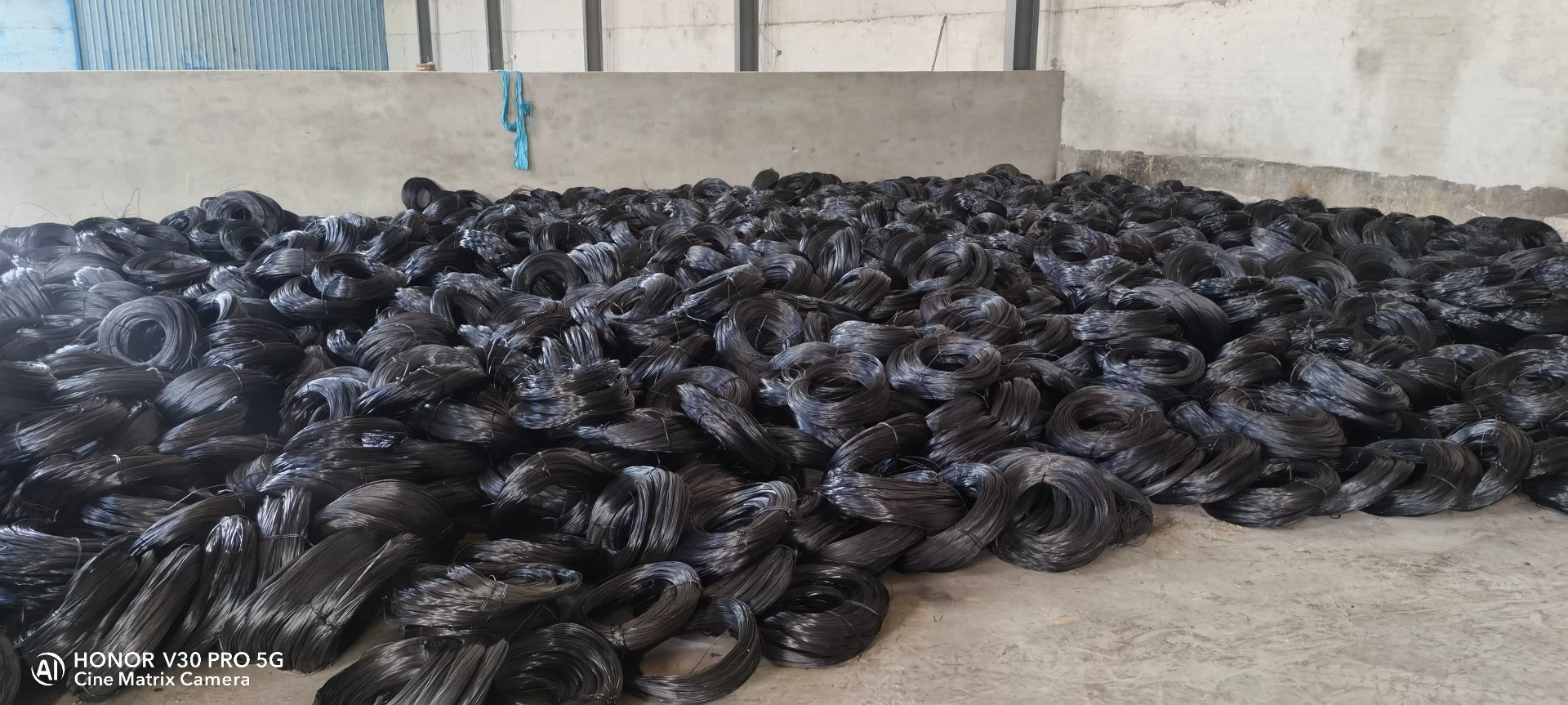
Drywall screws are typically manufactured from carbon steel, with phosphate coatings providing corrosion resistance. The steel’s composition, particularly the carbon content, influences its hardness and ductility. Higher carbon content yields greater strength but reduced ductility, increasing brittleness and potential for fracture. Screw manufacturing involves a cold heading process, where wire stock is fed into a header die and formed into the screw shape using compressive forces. Critical parameters during cold heading include die geometry, feed rate, and lubrication. These parameters impact the screw’s head formation, shank diameter consistency, and thread quality. Following heading, screws undergo thread rolling, where two hardened dies compress the screw blank, creating the helical thread form. Thread geometry – pitch, depth, and angle – dictates the screw's holding power and ease of installation. Phosphate coating (typically zinc phosphate) is applied via a chemical immersion process, creating a crystalline layer that inhibits corrosion. Coating thickness and uniformity are key quality control metrics. The framing material also impacts screw selection. Wood framing requires screws designed for shear and withdrawal resistance, while metal framing demands self-drilling screws with specialized point geometries to penetrate the metal substrate without pre-drilling. Material compatibility between screw coating and framing material is essential to prevent galvanic corrosion.
Performance & Engineering
The performance of a drywall screw is governed by several engineering principles. Tensile strength, measured in MPa or PSI, represents the screw’s resistance to pulling forces. Shear strength, also measured in MPa or PSI, quantifies its resistance to forces applied perpendicular to the screw axis. Both are crucial for load-bearing applications. Withdrawal resistance, the force required to pull the screw out of the drywall, is dependent on screw diameter, length, thread engagement, and drywall thickness. Buckling resistance is a concern with longer screws in softer materials, requiring careful screw length selection. The screw's point geometry significantly influences its penetration characteristics. Sharp, self-drilling points reduce installation torque and prevent drywall cracking, particularly with thinner drywall sheets. Environmental resistance is critical, especially in humid environments. Phosphate coatings offer limited corrosion protection; in corrosive environments, stainless steel screws may be necessary. Building code compliance (e.g., International Building Code - IBC) dictates minimum screw spacing and edge distance requirements to ensure adequate wall system performance. Finite element analysis (FEA) is often used to model screw performance under various load conditions and optimize screw design for specific applications. Proper screw depth is vital; over-driven screws strip the drywall face paper, reducing holding power, while under-driven screws lack sufficient embedment.
Technical Specifications
| Screw Diameter (mm) | Screw Length (mm) | Tensile Strength (MPa) | Shear Strength (MPa) |
|---|---|---|---|
| 3.5 | 30 | 620 | 380 |
| 3.5 | 45 | 620 | 380 |
| 3.5 | 65 | 620 | 380 |
| 4.2 | 30 | 690 | 430 |
| 4.2 | 45 | 690 | 430 |
| 4.2 | 65 | 690 | 430 |
Failure Mode & Maintenance
Common failure modes in drywall screw applications include pull-through failure (screw loses holding power due to insufficient thread engagement), shear failure (screw head or shank shears under lateral load), stripping of the drywall face paper (over-driving the screw), and corrosion (leading to reduced strength and eventual failure). Fatigue cracking can occur in areas subject to repeated vibration or impact. Pull-through is frequently observed in applications with heavy loads or inadequate screw length. Shear failure is more common with thinner drywall or improper screw angle. Stripping occurs due to excessive torque and insufficient drywall thickness. Corrosion is accelerated in humid environments or when dissimilar metals are in contact. Preventative maintenance is limited for installed screws, but proactive inspection can identify potential issues. Signs of failure include screw head protrusion, drywall cracking around the screw, or visible corrosion. Remedial action involves replacing failed screws with appropriately sized and coated screws. Proper screw installation techniques – correct torque settings, appropriate screw depth, and adequate spacing – are crucial for preventing premature failure. Regular monitoring of environmental conditions and addressing moisture issues can also mitigate corrosion risks. A key indicator is the consistent application of torque; under-torqued screws lack sufficient holding power, while over-torqued screws damage the drywall face paper.
Industry FAQ
Q: What is the optimal screw length for attaching 12.7mm (1/2 inch) drywall to 38mm x 89mm (2x4) wood studs?
A: Generally, a screw length of 38mm (1.5 inches) is recommended for attaching 12.7mm drywall to 38mm x 89mm wood studs. This provides sufficient thread engagement within the stud to achieve adequate holding power. However, the optimal length can vary depending on the load-bearing requirements and specific drywall type. Always consult local building codes for precise specifications.
Q: What is the difference between Type A and Type B drywall screws?
A: Type A drywall screws are generally used for standard drywall applications and have a bugle head designed to embed without tearing the paper face. Type B drywall screws are designed for metal studs and are self-drilling with a sharper point. They often have a different thread pattern for optimal performance in metal framing.
Q: How does humidity affect drywall screw performance?
A: High humidity can accelerate corrosion of drywall screws, especially those with standard phosphate coatings. Corrosion reduces screw strength and can lead to premature failure. In high-humidity environments, consider using stainless steel screws or screws with enhanced corrosion-resistant coatings.
Q: What torque setting should be used for a drywall screw gun?
A: The appropriate torque setting depends on the screw size, drywall thickness, and screw gun manufacturer's recommendations. A common starting point is 1500-2000 RPM with a clutch setting that allows the screw to embed flush with the drywall surface without stripping the paper. It's crucial to adjust the setting based on testing to avoid over-driving.
Q: Is it acceptable to use self-tapping screws instead of dedicated drywall screws?
A: While self-tapping screws can be used in some limited drywall applications, it’s generally not recommended. Drywall screws are specifically designed for drywall installation, with a bugle head to prevent tearing and a thread pattern optimized for holding power. Self-tapping screws may damage the drywall face paper and provide inadequate holding strength.
Conclusion
Drywall screw selection and installation are fundamental to the structural integrity and longevity of interior wall systems. Understanding the material science, manufacturing processes, and engineering principles governing screw performance is crucial for mitigating common failure modes and ensuring compliance with building codes. Proper screw selection, appropriate torque control, and consideration of environmental factors are essential for achieving a robust and durable drywall installation.
Future advancements in drywall screw technology may focus on enhanced corrosion-resistant coatings, optimized thread geometries for increased holding power, and smart screw systems incorporating sensors to monitor installation torque and detect potential failures. Continuing research and development in this area will contribute to improved building performance and reduced lifecycle costs.