



Introduction
Drywall strip screws, also known as drywall screws or gypsum board screws, are a fundamental fastening solution in the construction industry. Positioned within the building materials supply chain, they are critical for the secure attachment of gypsum wallboard (drywall) to wood or metal framing. Their primary performance characteristic is providing a strong, durable, and flush connection, minimizing the risk of cracking or “popping” of the drywall surface. Unlike general-purpose screws, drywall screws are specifically designed to minimize damage to the paper facing of the drywall, ensuring a solid hold and smooth finish. This guide provides an in-depth technical overview of drywall strip screws, encompassing material science, manufacturing processes, performance characteristics, failure modes, and relevant industry standards. The increasing demand for faster, more efficient construction techniques and enhanced building performance drives continuous innovation in drywall screw design and material composition.
Material Science & Manufacturing
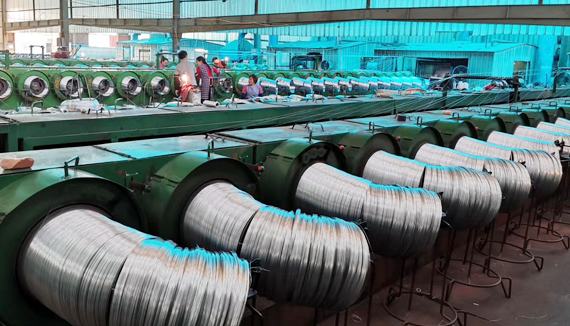
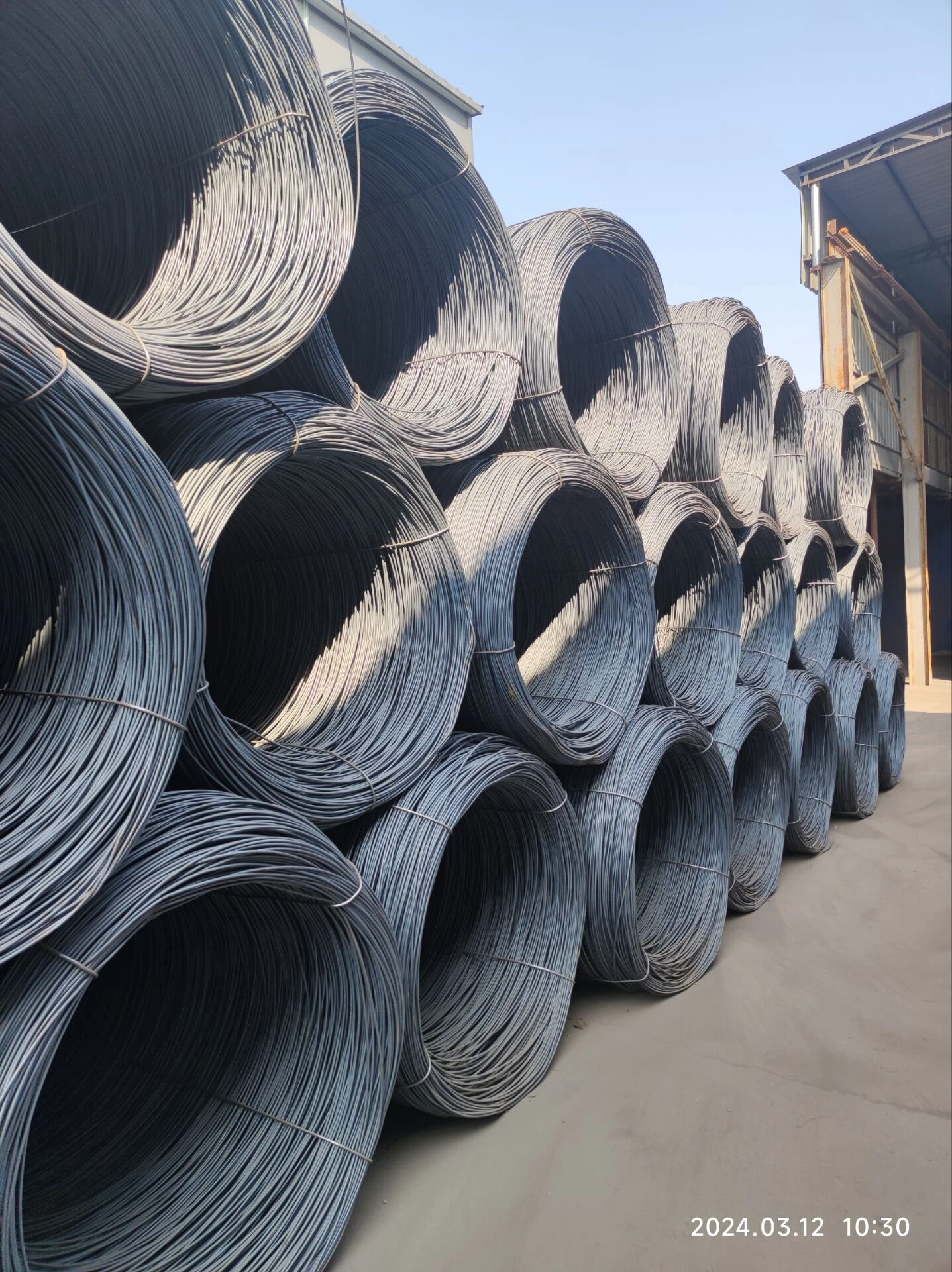
Drywall strip screws are predominantly manufactured from carbon steel, typically AISI 1018 or 1022. These steels offer a balance of strength, ductility, and cost-effectiveness. The steel undergoes a cold forming process, which work-hardens the material, increasing its tensile strength. This process involves feeding steel wire into a header, which cuts it to length, and then progressively drawing and forming the wire into the screw shape through a series of dies. Key parameters controlled during cold forming include die angle, feed rate, and lubrication. The screw head is formed simultaneously with the thread rolling process. Thread rolling, rather than cutting, is preferred as it does not sever the grain of the steel, resulting in a stronger, more durable thread. A phosphate coating, typically zinc phosphate, is applied to enhance corrosion resistance and provide a better surface for subsequent coatings. The final step involves applying a coating, commonly zinc plating, for further corrosion protection. Variations in coating materials – such as ceramic coatings or specialized polymer coatings – cater to specific environmental requirements. The hardness of the screw is critical, typically ranging from 50-60 HRC (Rockwell Hardness C scale) to ensure sufficient penetration and holding power without excessive brittleness. Hydrogen embrittlement is a potential issue during the zinc plating process; post-plating baking is employed to mitigate this risk by diffusing hydrogen out of the steel.
Performance & Engineering
The performance of drywall strip screws is governed by several engineering principles. Shear strength is paramount, determined by the screw’s diameter and material composition. Tensile strength dictates the screw’s resistance to pull-out forces. The screw’s thread design – typically coarse threads for wood framing and fine threads for metal framing – influences its holding power and installation torque. Installation torque is critical; over-torquing can strip the screw hole or fracture the drywall, while under-torquing results in insufficient holding power. The screw head design (bugle, flat, or trumpet) impacts the degree of damage to the drywall paper facing. A bugle head is most common, creating a slight countersink without tearing the paper. Environmental resistance, specifically corrosion resistance, is a major consideration. Exposure to moisture and varying temperatures can accelerate corrosion, weakening the screw and compromising the structural integrity of the wall. Compliance with building codes, such as the International Building Code (IBC), dictates the allowable spacing and edge distance of drywall screws to ensure structural stability. Finite element analysis (FEA) is often used during the design process to optimize screw geometry and predict performance under various loading conditions, including wind load and seismic activity. Creep, the tendency of a material to deform permanently under sustained stress, is also a factor over the long term, particularly in applications subject to continuous loading.
Technical Specifications
| Diameter (inches) | Length (inches) | Head Type | Thread Type | Material | Minimum Tensile Strength (PSI) |
|---|---|---|---|---|---|
| 0.125 | 1 1/4 | Bugle | Coarse | AISI 1018 Steel | 300,000 |
| 0.125 | 1 5/8 | Bugle | Coarse | AISI 1018 Steel | 300,000 |
| 0.125 | 2 | Bugle | Coarse | AISI 1018 Steel | 300,000 |
| 0.148 | 1 1/4 | Bugle | Fine | AISI 1018 Steel | 350,000 |
| 0.148 | 1 5/8 | Bugle | Fine | AISI 1018 Steel | 350,000 |
| 0.148 | 2 | Bugle | Fine | AISI 1018 Steel | 350,000 |
Failure Mode & Maintenance
Common failure modes for drywall strip screws include stripping of the screw head, shear failure of the screw shank, pull-out failure, and corrosion-induced failure. Stripping occurs when the driver bit loses engagement with the screw head, typically due to excessive torque or a worn driver bit. Shear failure happens when the screw shank is subjected to forces exceeding its shear strength, particularly in high-wind areas. Pull-out failure occurs when the screw loses its grip on the drywall or framing member, often due to insufficient penetration or improper screw length. Corrosion, especially in humid environments, weakens the screw material, leading to premature failure. Fatigue cracking can also occur over time due to cyclic loading. Maintenance is generally minimal, but periodic inspection for loose or corroded screws is recommended. In areas prone to moisture, screws with enhanced corrosion resistance (e.g., stainless steel or ceramic-coated screws) should be used. If screws are found to be loose, they should be replaced with screws of the appropriate length and type. Addressing underlying moisture issues is crucial to prevent further corrosion. Regular visual inspection during construction and post-installation helps identify potential problems early on. Preventative measures include proper screw selection based on the application environment and consistent use of calibrated torque drivers during installation.
Industry FAQ
Q: What is the difference between Type A and Type B drywall screws?
A: Type A drywall screws are generally used for interior applications and have a hardened core for increased brittleness, allowing for faster installation. Type B drywall screws are used for applications where the board is directly exposed to moisture and have a corrosion-resistant coating. They possess a slightly softer core to prevent shattering during installation.
Q: What torque setting should I use when installing drywall screws?
A: Recommended torque settings vary depending on the screw size and the type of drywall. A general guideline is to adjust the torque driver so the screw head is just below the drywall surface without tearing the paper. Over-torquing is a common error that can compromise the drywall’s integrity. Consult the screw manufacturer's specifications for precise recommendations.
Q: How can I prevent screw ‘pop’ in drywall installations?
A: Screw ‘pop’ is typically caused by insufficient screw penetration or movement in the framing. Ensure screws are driven into solid framing members and are of sufficient length to penetrate adequately. Using the correct screw spacing as outlined in building codes also helps. Pre-drilling can be necessary for hard wood framing.
Q: Are stainless steel drywall screws necessary for bathrooms?
A: While not always mandatory, stainless steel drywall screws are highly recommended for bathrooms and other high-humidity environments. They offer superior corrosion resistance compared to zinc-plated screws, preventing rust and maintaining structural integrity over the long term.
Q: What is the impact of screw spacing on drywall performance?
A: Screw spacing directly affects the drywall's ability to resist bending and shear forces. Building codes specify maximum screw spacing requirements to ensure structural stability. Closer spacing generally provides greater strength but also increases material costs. Edge spacing is also critical to prevent cracking along the drywall edges.
Conclusion
Drywall strip screws are a deceptively complex fastening component, playing a critical role in the structural integrity and aesthetic finish of interior walls and ceilings. A thorough understanding of their material science, manufacturing processes, and performance characteristics is essential for engineers, contractors, and building material specifiers. Selecting the appropriate screw type, utilizing proper installation techniques, and implementing preventative maintenance measures are all crucial for ensuring long-term performance and avoiding costly failures.
Future advancements in drywall screw technology will likely focus on enhanced corrosion resistance, improved screw head designs for faster installation, and the development of more sustainable materials. The integration of smart sensors within screws to monitor structural health and detect potential issues is also a developing area of interest. Continuing adherence to industry standards and best practices will remain paramount for maintaining the safety and reliability of drywall systems.