



Introduction
Exterior drywall screws are specifically engineered fasteners designed for the secure attachment of drywall panels to framing members in exterior applications. Unlike standard drywall screws, they possess enhanced corrosion resistance to withstand exposure to moisture, temperature fluctuations, and environmental contaminants. Their technical position within the building materials supply chain is critical, forming a key component in weather-resistant barrier (WRB) systems and exterior wall assemblies. Core performance characteristics include shear strength, tensile strength, and the ability to maintain structural integrity over prolonged exposure to harsh conditions. The industry pain point addressed by these screws is the premature failure of conventional drywall screws in exterior environments, leading to costly repairs and potential structural damage. Proper selection and installation are paramount for ensuring the longevity and performance of exterior drywall systems.
Material Science & Manufacturing
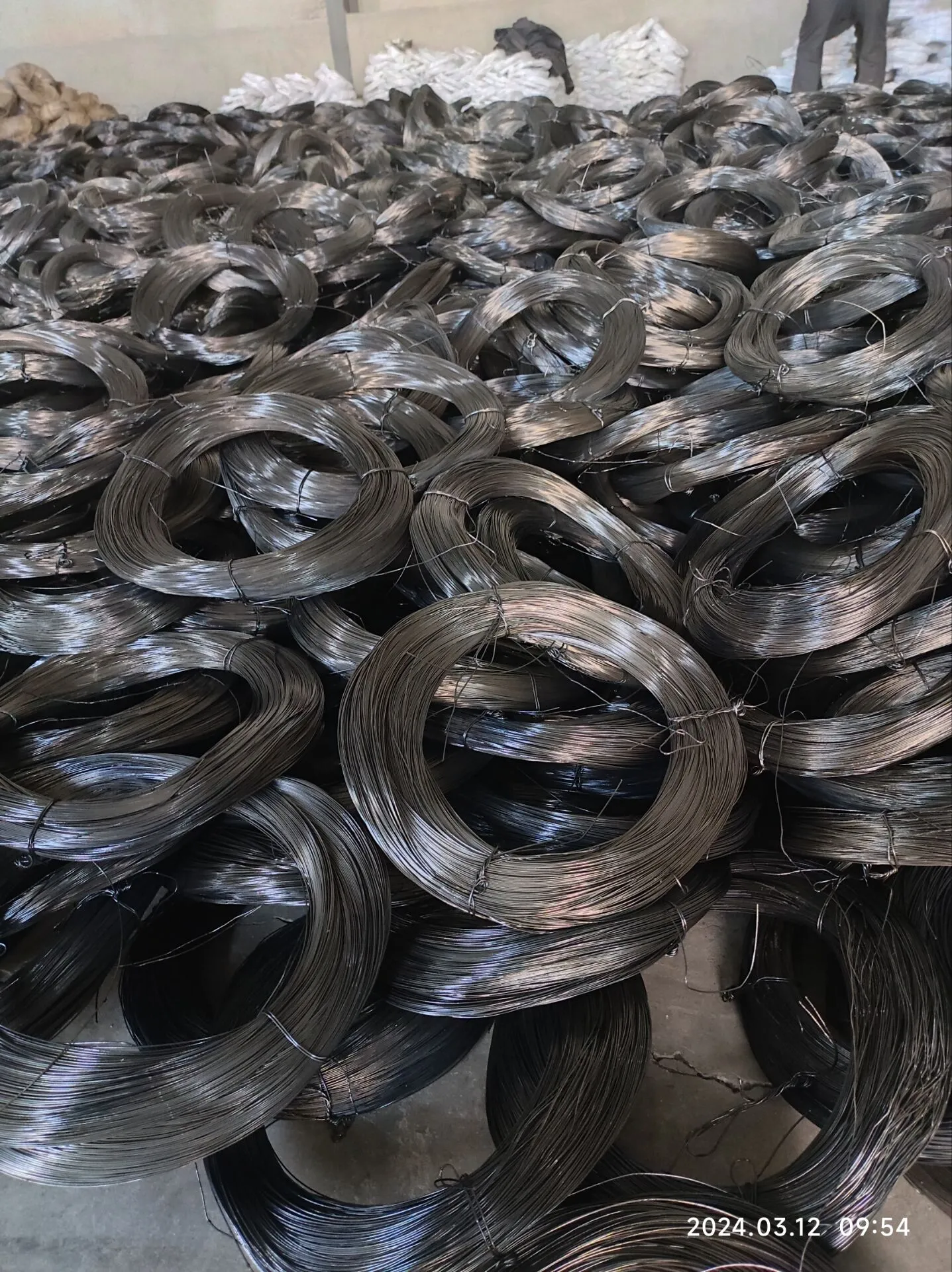
Exterior drywall screws are predominantly manufactured from carbon steel, although alloy steels are increasingly utilized for enhanced performance. The carbon steel typically undergoes a specialized coating process to provide robust corrosion protection. Common coating materials include zinc, epoxy, and fluoropolymer. Zinc coatings, particularly those applied via hot-dip galvanization, offer sacrificial corrosion protection. Epoxy coatings provide a barrier against moisture and chemicals, while fluoropolymer coatings exhibit exceptional UV resistance and long-term durability. The manufacturing process typically begins with wire drawing to achieve the desired screw diameter. The wire is then cold-formed into the screw shape through a threading process. Critical parameters during manufacturing include thread pitch, point style (sharp, blunt, or self-drilling), and head geometry (bugle, flat, or trim). Heat treatment, such as quenching and tempering, is employed to optimize the steel’s hardness and tensile strength. Precise control of the coating thickness is essential to ensure consistent corrosion resistance. The screw’s core material must meet specific requirements for ductility to prevent brittle fracture under stress. Hydrogen embrittlement, a potential consequence of certain plating processes, is mitigated through post-plating baking cycles.
Performance & Engineering
The performance of exterior drywall screws is governed by several engineering principles. Shear strength, measured according to ASTM C1436, dictates the screw's resistance to lateral forces. Tensile strength, determined by ASTM F2397, indicates its ability to withstand axial pull-out forces. The point style influences the ease of penetration and the required installation torque. Self-drilling points reduce the need for pre-drilling, accelerating installation, but can compromise holding power in certain substrate materials. The screw’s length and diameter must be appropriately matched to the thickness of the drywall and the framing member. Environmental resistance is paramount, as exterior screws are subjected to continuous exposure to moisture, UV radiation, and temperature cycles. Coating performance is evaluated through salt spray testing (ASTM B117) to assess corrosion resistance. Compliance with building codes, such as the International Building Code (IBC), necessitates the use of fasteners that meet specific performance criteria. Force analysis involves calculating the load-bearing capacity of a single screw and the overall system, considering factors such as screw spacing, edge distance, and panel thickness. Finite element analysis (FEA) is sometimes used to model the stress distribution within the screw and surrounding materials. Proper installation, including avoiding over-driving or stripping of the screw head, is crucial for maintaining optimal performance.
Technical Specifications
| Diameter (inches) | Length (inches) | Head Type | Coating Type |
|---|---|---|---|
| 0.125 | 1 1/4 | Bugle | Zinc-plated |
| 0.125 | 1 5/8 | Bugle | Epoxy Coated |
| 0.125 | 2 1/2 | Bugle | Fluoropolymer |
| 0.159 | 1 5/8 | Flat | Zinc-plated |
| 0.159 | 2 1/2 | Flat | Epoxy Coated |
| 0.159 | 3 | Flat | Fluoropolymer |
Failure Mode & Maintenance
Failure modes for exterior drywall screws typically fall into several categories. Corrosion is a primary concern, leading to weakening of the screw material and eventual failure. Galvanic corrosion can occur when dissimilar metals are in contact, accelerating the corrosion process. Hydrogen embrittlement, as previously mentioned, can lead to brittle fracture. Shear failure occurs when the screw’s shear strength is exceeded, often due to excessive lateral loads. Pull-out failure results from insufficient screw engagement with the framing member. Fatigue cracking can develop under cyclical loading, particularly in areas exposed to wind or seismic activity. Stripping of the screw head can occur during installation or removal, reducing holding power. Regular inspection of exterior drywall systems is recommended to identify signs of corrosion or failure. Preventative maintenance involves ensuring proper drainage to minimize moisture exposure. Loose screws should be tightened, and corroded screws should be replaced with appropriately coated fasteners. Applying a sealant around the screw head can further enhance corrosion resistance. In areas prone to extreme weather conditions, periodic re-coating of exposed screw heads may be necessary. Documenting screw type, coating, and installation date facilitates long-term maintenance planning.
Industry FAQ
Q: What is the difference between exterior and interior drywall screws regarding corrosion protection?
A: Interior drywall screws typically have a thinner zinc coating or no coating at all, sufficient for dry, indoor environments. Exterior screws utilize thicker, more robust coatings such as hot-dip galvanization, epoxy, or fluoropolymer, designed to withstand prolonged exposure to moisture, UV radiation, and corrosive elements.
Q: What is the recommended screw spacing for exterior drywall applications?
A: Screw spacing is typically 12 inches on center, but this can vary depending on the drywall thickness, framing member spacing, and wind load requirements. Refer to local building codes and manufacturer’s specifications for precise recommendations.
Q: Can exterior drywall screws be used in interior applications?
A: Yes, exterior screws can be used in interior applications without issue. However, it is generally not cost-effective to use them when standard interior screws will suffice.
Q: What is the impact of screw over-driving on the performance of an exterior drywall system?
A: Over-driving screws can strip the screw head and damage the drywall face paper, reducing the screw’s holding power and compromising the integrity of the system. It can also create pathways for moisture intrusion.
Q: How does fluoropolymer coating compare to epoxy coating in terms of long-term durability?
A: Fluoropolymer coatings generally offer superior long-term durability, especially in UV-exposed environments. They exhibit excellent resistance to fading, chalking, and degradation. Epoxy coatings provide good corrosion protection but are more susceptible to UV damage over time.
Conclusion
Exterior drywall screws represent a crucial component in durable, weather-resistant building envelope systems. Their specialized material science and manufacturing processes, particularly the emphasis on robust corrosion protection, directly address the inherent limitations of standard drywall screws when exposed to exterior elements. The performance characteristics, governed by engineering principles of shear and tensile strength, dictate the reliability of the assembled system.
Proper selection based on environmental conditions and compliance with building codes is paramount. Understanding the potential failure modes, and implementing preventative maintenance strategies, extends the lifespan of these critical fasteners and safeguards the overall structural integrity of the building. Continued advancements in coating technologies and screw designs will likely further enhance the performance and longevity of exterior drywall systems.