



Introduction
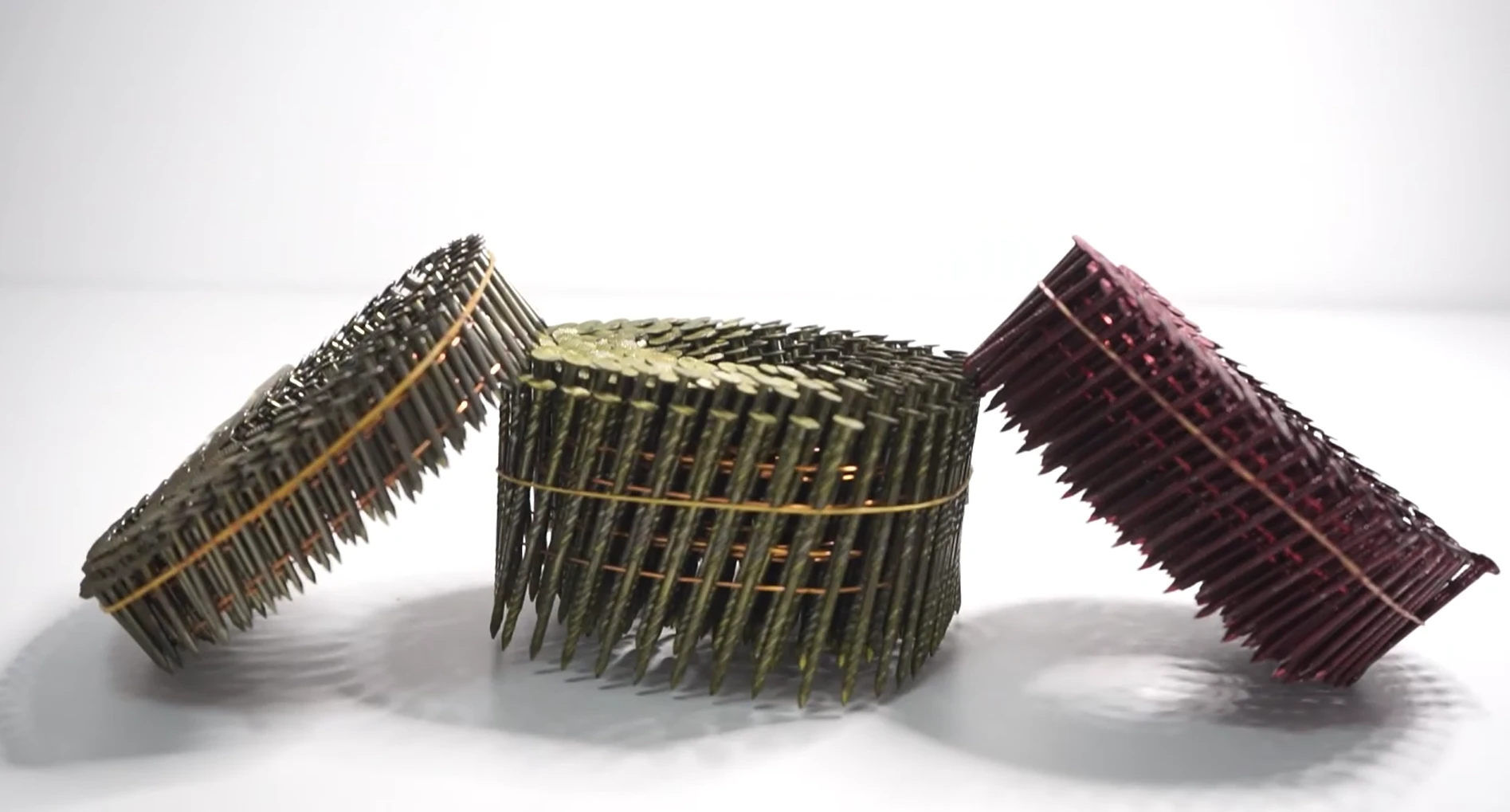
Flat head drywall screws are a critical fastening element in the construction industry, specifically designed for the application of gypsum wallboard (drywall) to wood or metal framing. These screws are characterized by a bugle head, designed to countersink into the drywall surface without tearing the paper facing, and a sharp point for ease of penetration. Positioned within the larger fastener supply chain, they represent a specialized subset of screws engineered for shear and tensile strength suitable for interior wall and ceiling applications. Their performance is governed by considerations of screw gauge, length, material composition, and head geometry. This guide provides an in-depth technical overview of flat head drywall screws, covering material science, manufacturing processes, performance characteristics, failure modes, and relevant industry standards.
Material Science & Manufacturing
Drywall screws are typically manufactured from carbon steel, specifically C1018 or C1022 steel, offering a balance of strength, ductility, and cost-effectiveness. The steel undergoes a cold heading process, forming the screw head and shank from wire stock. This process improves the material's tensile strength through work hardening. Following heading, screws are often heat treated to further enhance hardness and ductility. The core material properties influencing performance include tensile strength (typically 850-1000 MPa), yield strength (around 500 MPa), and elongation (12-15%).
Manufacturing involves several key steps. First, the steel wire is drawn to the desired gauge. Next, the cold heading process forms the screw shape. A thread rolling process creates the screw threads, which are crucial for holding power. The bugle head is formed using specialized dies. Finally, screws receive a surface treatment. Common treatments include zinc plating (providing moderate corrosion resistance), phosphate coating (improving paint adhesion and corrosion resistance), and occasionally, stainless steel coatings (for environments requiring higher corrosion protection). The quality of the plating is crucial, as inconsistent coating thickness can lead to premature corrosion. Parameter control during thread rolling (feed rate, die pressure, lubricant type) is critical to ensure thread integrity and prevent stress cracking. The Rockwell hardness (HRC) of the screw head is typically between 38-45 after heat treatment.
Performance & Engineering
The performance of flat head drywall screws is dictated by their ability to withstand shear and tensile forces, and maintain holding power over time. The bugle head design minimizes damage to the drywall paper face, preventing crumbling and maintaining structural integrity. Force analysis reveals that the primary failure mode under load is typically shear failure of the screw shank or pull-through of the screw head. The screw’s thread pitch and depth influence its holding power in different materials.
Environmental resistance is a key consideration. While zinc plating provides moderate protection against corrosion, screws used in high-humidity environments or exposed to certain chemicals (e.g., cleaning agents) may require alternative coatings. The interaction between the screw material and the gypsum board is also important; electrochemical corrosion can occur if incompatible materials are used. Compliance requirements, such as those stipulated by the International Building Code (IBC), dictate screw spacing and penetration depth to ensure structural safety. The screws must comply with ASTM C1002 standards for performance testing related to shear strength, tensile strength, and withdrawal resistance. Proper installation techniques, including avoiding overdriving the screw, are critical to maximizing performance and preventing damage to the drywall.
Technical Specifications
| Screw Diameter (Gauge) | Screw Length (inches) | Head Diameter (inches) | Minimum Shear Strength (lbs) |
|---|---|---|---|
| #6 | 1 1/4 | 0.375 | 150 |
| #7 | 1 5/8 | 0.437 | 225 |
| #8 | 1 5/8 | 0.475 | 275 |
| #8 | 2 1/2 | 0.475 | 350 |
| #9 | 2 1/2 | 0.510 | 400 |
| #9 | 3 | 0.510 | 450 |
Failure Mode & Maintenance
Several failure modes can affect the long-term performance of flat head drywall screws. Fatigue cracking can occur under cyclical loading, especially in areas subject to vibration or movement. Pull-through failure happens when the screw head loses its grip on the drywall, often due to overdriving or insufficient screw length. Corrosion, particularly in humid environments, weakens the screw material and reduces its load-bearing capacity. Hydrogen embrittlement, a phenomenon that can occur with certain plating processes, makes the screw brittle and prone to fracture. Shear failure of the screw shank occurs when the applied force exceeds the material’s shear strength.
Maintenance, while limited for installed screws, focuses on preventative measures. Selecting appropriate screw coatings for the intended environment is paramount. Proper installation, avoiding overdriving and ensuring adequate penetration depth, minimizes the risk of pull-through and damage to the drywall. Regular inspection of installed screws for signs of corrosion or loosening can identify potential issues before they lead to structural problems. If corrosion is detected, replacement of affected screws is recommended. Avoid using incompatible patching compounds around the screw heads, as certain formulations can promote corrosion.
Industry FAQ
Q: What is the impact of screw thread geometry on holding power in different drywall thicknesses?
A: Screw thread geometry, specifically the thread pitch and depth, directly influences holding power. A coarser thread pitch is generally better for softer materials like drywall, providing more immediate bite. Deeper threads increase the surface area for engagement, enhancing holding power. However, with thicker drywall, a finer thread pitch can distribute the load more evenly and reduce the risk of stripping the drywall core. The optimal thread geometry is a balance of these factors, tailored to the specific drywall thickness and application.
Q: How does the zinc plating process affect the long-term corrosion resistance of drywall screws?
A: The zinc plating process provides a sacrificial layer of protection, corroding preferentially to the steel substrate. The thickness of the zinc coating is a critical parameter; thicker coatings offer greater corrosion resistance. However, the quality of the plating is equally important. Uneven coating thickness, porosity, or the presence of impurities can compromise the protection. Chromate conversion coatings are often applied post-zinc plating to further enhance corrosion resistance, but these are facing increasing environmental restrictions.
Q: What are the primary differences between Type A and Type B drywall screws and their respective applications?
A: Type A drywall screws are designed for use with wood framing, featuring a coarser thread for improved grip in wood fibers. They typically have a Phillips drive. Type B drywall screws are designed for use with metal framing, featuring a sharper point and finer threads for efficient penetration and secure holding in metal studs. They often use a bugle head to prevent tearing of the metal and are available in both Phillips and Torx drive styles. Using the incorrect type can lead to reduced holding power and potential structural failure.
Q: What are the considerations when selecting drywall screws for high-humidity environments, such as bathrooms or laundry rooms?
A: In high-humidity environments, standard zinc-plated screws are susceptible to corrosion. Stainless steel screws (specifically, Type 304 or 316) offer superior corrosion resistance and are recommended for these applications. Alternatively, screws with specialized coatings, such as polymer coatings or ceramic coatings, can provide enhanced protection. Proper ventilation in these spaces also helps minimize moisture build-up and reduce the risk of corrosion.
Q: What is the role of the bugle head design in preventing drywall damage during installation?
A: The bugle head design is critical for preventing damage to the drywall paper facing. The curved, tapered shape of the head allows the screw to countersink into the drywall without tearing the paper. This is essential for maintaining the structural integrity of the drywall panel, as tears in the paper face can weaken the panel and reduce its load-bearing capacity. A well-designed bugle head ensures a smooth, flush finish and minimizes the need for patching and repair.
Conclusion
Flat head drywall screws are indispensable components in modern construction, and their performance is governed by a complex interplay of material science, manufacturing precision, and engineering considerations. The selection of appropriate screw type, length, and coating, coupled with proper installation techniques, is paramount to ensuring the long-term structural integrity of drywall assemblies. Understanding the potential failure modes – corrosion, fatigue, pull-through – allows for preventative measures to be implemented, extending the lifespan of the installation.
Future advancements in drywall screw technology may focus on the development of more durable and corrosion-resistant coatings, as well as improved head designs that further minimize drywall damage. The increasing demand for sustainable building materials may also drive the development of screws manufactured from recycled materials or with reduced environmental impact. Continued adherence to industry standards and rigorous quality control measures will remain essential to maintaining the reliability and safety of these critical fastening elements.