



Introduction
Concrete framing nails are specialized fasteners designed for securing wood framing to concrete and masonry substrates. They represent a critical component in a variety of construction applications, including interior and exterior framing, furring strips, and the installation of engineered wood products. Unlike conventional steel nails, concrete nails are typically hardened steel and often feature a specialized shank designed for increased holding power in concrete. Their performance is directly linked to the concrete’s compressive strength, the nail’s material composition, and the application of appropriate fastening techniques. The core function is to provide a robust, load-bearing connection resisting shear and pull-out forces. The industry faces challenges regarding corrosion resistance in treated concrete, consistent penetration depth, and ensuring compliance with evolving building codes related to structural integrity and fire safety. This guide provides an in-depth exploration of these nails, covering material science, manufacturing, performance characteristics, failure modes, and relevant industry standards.
Material Science & Manufacturing
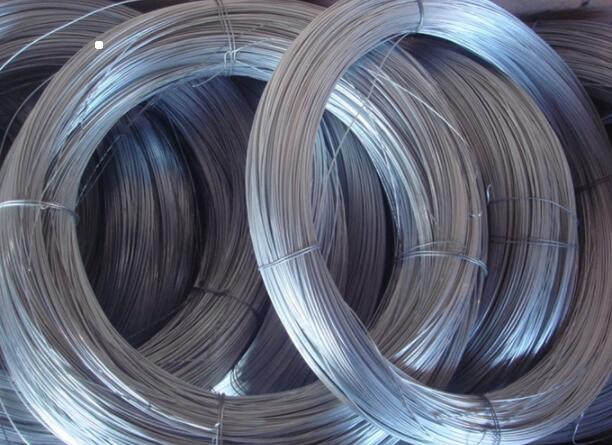
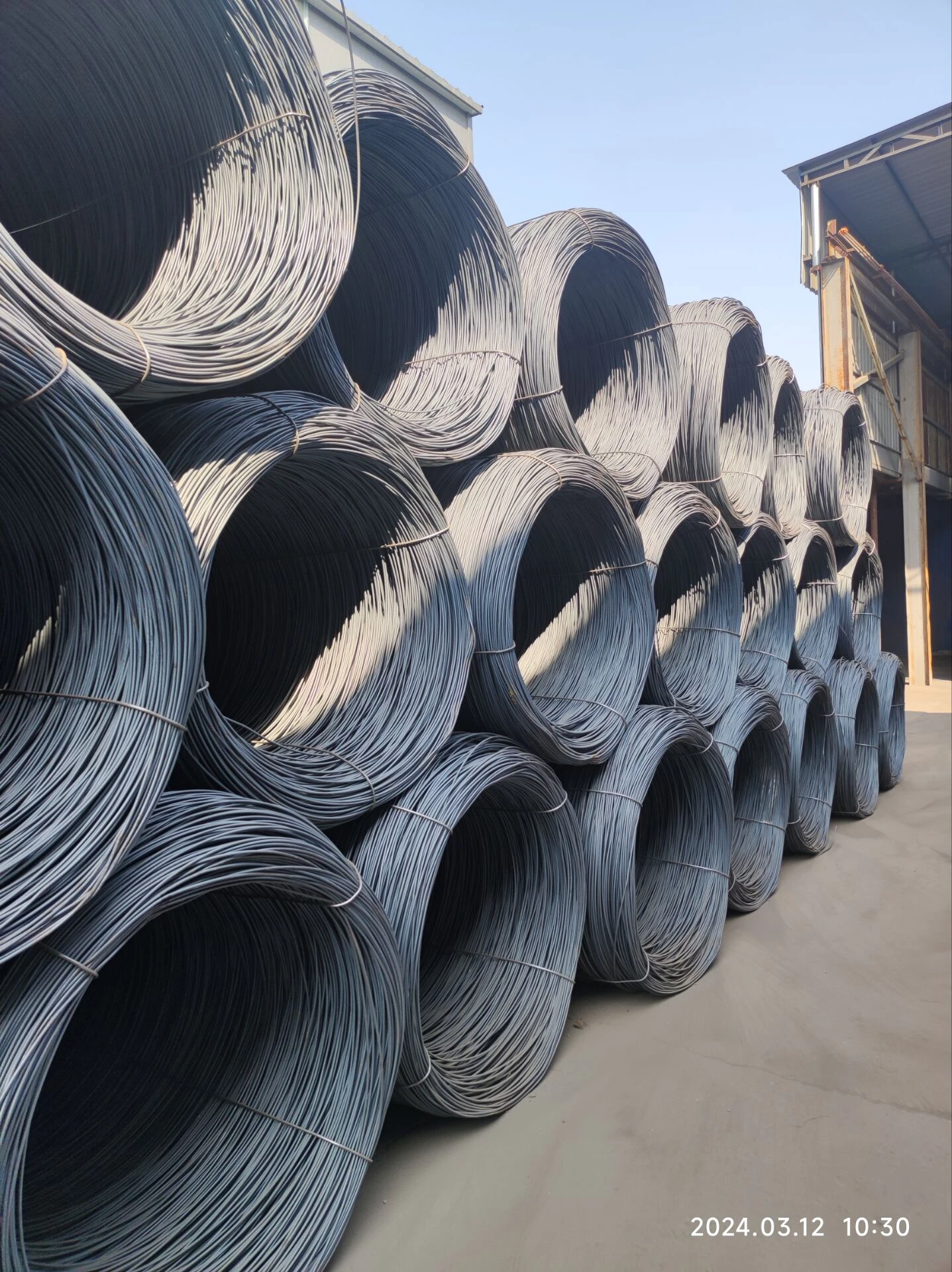
Concrete framing nails are predominantly manufactured from high-carbon steel, typically AISI 1045 or equivalent, due to its high tensile strength and hardness. The steel undergoes a heat treatment process, including hardening and tempering, to achieve a Rockwell hardness of C50-C60. This hardness is critical for providing the necessary penetration into concrete without excessive bending. Manufacturing begins with wire drawing, forming the steel wire to the desired diameter. The wire is then cut to length and the nail head is formed through a cold heading process. Nail shank designs vary significantly. Smooth shank nails offer ease of installation but lower holding power. Ring shank nails feature a series of circumferential ridges that increase withdrawal resistance. Screw shank nails, with a helical thread, provide superior holding power but require greater insertion force. The coating applied to the nail is crucial for corrosion protection. Common coatings include bright basic zinc plating, hot-dip galvanizing, and epoxy coatings. Hot-dip galvanizing offers the best corrosion resistance but can be more expensive. Quality control during manufacturing focuses on dimensional accuracy, hardness testing, coating thickness verification, and shear strength testing. Raw material composition is analyzed via spectrometry to ensure conformance to specifications. Precise control of the heat treatment cycle is critical, as under-tempering results in insufficient hardness, while over-tempering reduces toughness and increases brittleness.
Performance & Engineering
The performance of concrete nails is dictated by several engineering principles. Shear strength, the nail’s resistance to lateral forces, is paramount. This is affected by the nail’s diameter, shank design, and the concrete’s compressive strength. Pull-out resistance, the force required to extract the nail from the concrete, is influenced by shank geometry, embedment depth, and the concrete’s tensile strength. A critical factor is the interaction between the nail and the cement matrix. The ridges on ring shank or screw shank nails create mechanical interlocking, increasing resistance to withdrawal. The insertion angle of the nail also affects its performance; a slight angle can improve holding power in certain applications. Engineers perform finite element analysis (FEA) to model the stress distribution around the nail and optimize its geometry for specific load conditions. Code compliance dictates minimum nail spacing and embedment depth based on design loads and concrete strength. Environmental resistance is another key consideration. Chloride ion penetration in coastal environments or concrete treated with de-icing salts can accelerate corrosion. Selecting appropriate coatings and specifying stainless steel nails in corrosive environments are crucial design choices. Fatigue performance is also a concern in applications subject to cyclic loading. Repeated stress can lead to micro-cracking around the nail, ultimately reducing its holding power. Proper selection of nail material and coating are critical for ensuring long-term structural integrity.
Technical Specifications
| Nail Diameter (inches) | Nail Length (inches) | Shank Type | Minimum Withdrawal Strength (lbs) |
|---|---|---|---|
| 0.120 | 1.5 | Smooth | 80 |
| 0.148 | 2.0 | Ring | 150 |
| 0.162 | 2.5 | Screw | 220 |
| 0.190 | 3.0 | Ring | 300 |
| 0.250 | 3.5 | Screw | 450 |
| 0.280 | 4.0 | Ring | 550 |
Failure Mode & Maintenance
Concrete nail failures typically fall into several categories. Shear failure occurs when the nail exceeds its shear strength, often due to excessive lateral loads. Pull-out failure happens when the nail is extracted from the concrete, commonly caused by insufficient embedment depth or deteriorated concrete. Corrosion is a significant failure mode, particularly in exposed applications or concrete containing chlorides. Corrosion weakens the nail, reducing both shear and pull-out resistance. Fatigue failure can occur in applications with cyclic loading, leading to micro-cracking and eventual nail fracture. Brittle fracture, particularly in hardened nails, can occur if the nail is subjected to impact loads or if the concrete is excessively hard. Maintenance primarily involves periodic inspection for signs of corrosion or loosening. Damaged or corroded nails should be replaced with equivalent fasteners. If concrete cracking is observed around the nail, it may indicate a structural issue requiring further investigation. Preventative maintenance includes ensuring proper concrete curing, applying protective coatings to the concrete surface, and selecting corrosion-resistant nails for harsh environments. Regular inspections and timely replacement of failed fasteners are crucial for maintaining structural integrity and preventing catastrophic failures. Addressing concrete spalling or delamination around the nail is also vital, as this reduces the effective embedment depth and load-carrying capacity.
Industry FAQ
Q: What is the impact of concrete compressive strength on the holding power of a concrete nail?
A: Higher concrete compressive strength generally translates to increased holding power. The denser concrete matrix provides greater resistance to nail withdrawal and shear forces. However, excessively high strength concrete can also be more brittle, potentially leading to nail bending or concrete cracking during installation. Specifications should align with the concrete’s specific strength characteristics.
Q: How does the coating type affect the long-term performance of concrete nails in corrosive environments?
A: Coating type is critical. Bright basic zinc plating offers minimal corrosion protection and is suitable only for interior, dry environments. Hot-dip galvanizing provides significantly better protection, forming a sacrificial layer that corrodes before the nail steel. Epoxy coatings offer excellent corrosion resistance, but their performance can be compromised by damage or defects. Stainless steel nails offer the highest level of corrosion resistance but are also the most expensive.
Q: What are the key differences between ring shank and screw shank concrete nails, and when should each be used?
A: Ring shank nails provide excellent holding power through mechanical interlocking, making them ideal for general framing applications where withdrawal resistance is crucial. Screw shank nails offer superior holding power, particularly in applications requiring high shear strength or resistance to vibration. They are best suited for demanding applications or where the nail is subjected to significant dynamic loading.
Q: What is the recommended nail spacing and edge distance for concrete nailing, and how are these determined?
A: Nail spacing and edge distance are dictated by building codes and engineering calculations. Generally, closer spacing provides greater holding power, but excessive spacing can lead to concrete cracking. Edge distance must be sufficient to prevent nail pull-through. These parameters are determined based on the applied load, concrete strength, nail diameter, and shank type. Consult relevant building codes (e.g., ICC-ES reports) for specific recommendations.
Q: How can I identify potential corrosion issues before they lead to fastener failure?
A: Regular visual inspections are crucial. Look for signs of rust, discoloration, or pitting on the nail heads or surrounding concrete. If the concrete is spalling or cracking around the nails, it may indicate corrosion is occurring. Consider using a corrosion meter to assess the extent of corrosion beneath the surface. In coastal environments or areas exposed to de-icing salts, more frequent inspections are recommended.
Conclusion
Concrete framing nails are essential fasteners demanding careful consideration of material science, manufacturing processes, and performance characteristics. Their ability to provide robust connections between wood framing and concrete substrates is paramount to structural integrity. Selection should be driven by application-specific requirements, accounting for factors like load demands, environmental conditions, and concrete strength. Understanding potential failure modes and implementing preventative maintenance strategies are critical for ensuring long-term reliability.
The industry continues to evolve, with ongoing research focused on developing more corrosion-resistant coatings and optimizing nail shank designs for enhanced holding power. Adherence to relevant building codes and industry standards remains crucial for safe and effective application. Future advancements may involve the incorporation of smart materials and sensor technologies to monitor fastener performance and provide early warning of potential failures. Continuous improvement in quality control processes and rigorous testing protocols are essential for maintaining the reliability and durability of concrete framing nails.