



Introduction
Gypsum screws, specifically type 1, are specialized fasteners integral to the construction of drywall systems. Positioned within the building materials supply chain, these screws facilitate the attachment of gypsum board to wood or metal framing, constituting a critical element in interior wall and ceiling assemblies. Their core performance characteristics revolve around shear strength, penetration depth, and corrosion resistance, directly impacting the structural integrity and longevity of the finished drywall installation. The growing demand for faster, more efficient construction techniques has driven the evolution of gypsum screw designs, emphasizing self-drilling capabilities and optimized thread patterns. A key industry pain point lies in inconsistent screw performance leading to drywall cracking or failure, often stemming from improper material selection or inadequate coating application. Understanding the nuances of gypsum screw manufacturing and performance is crucial for architects, contractors, and building material specifiers.
Material Science & Manufacturing
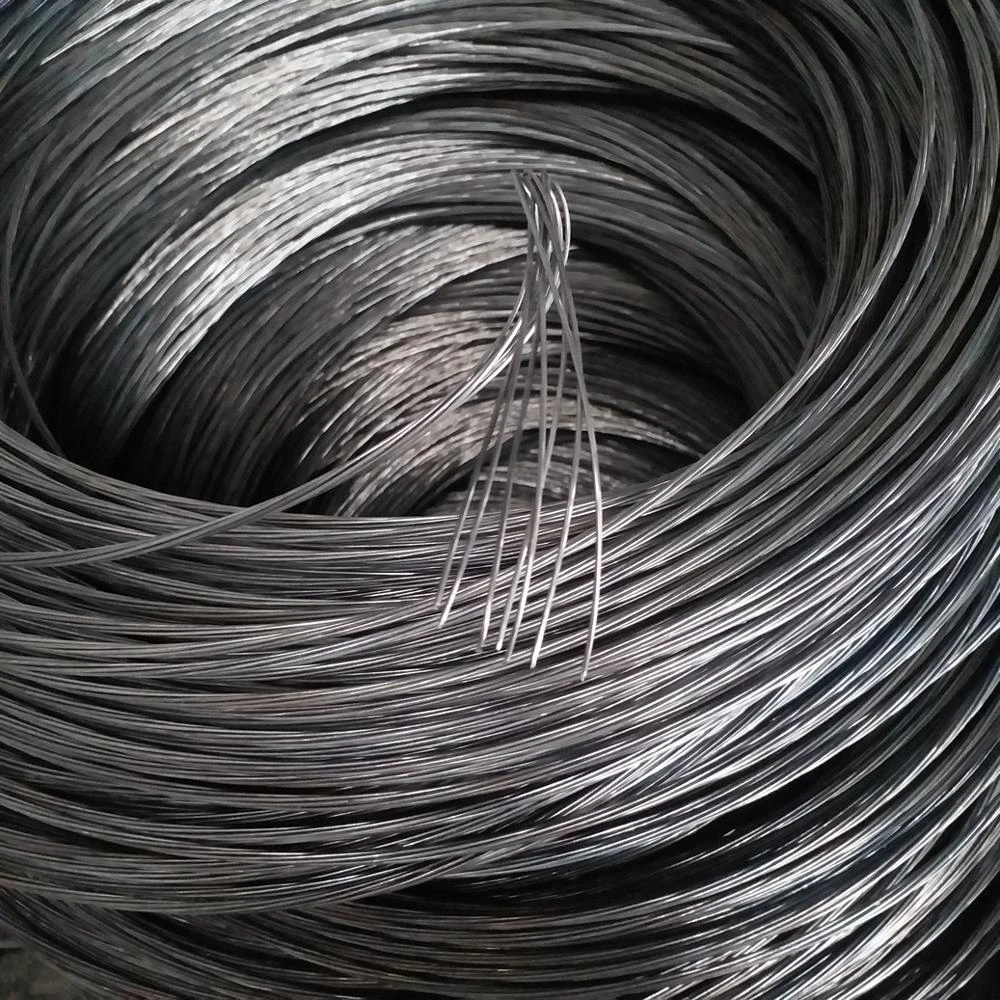
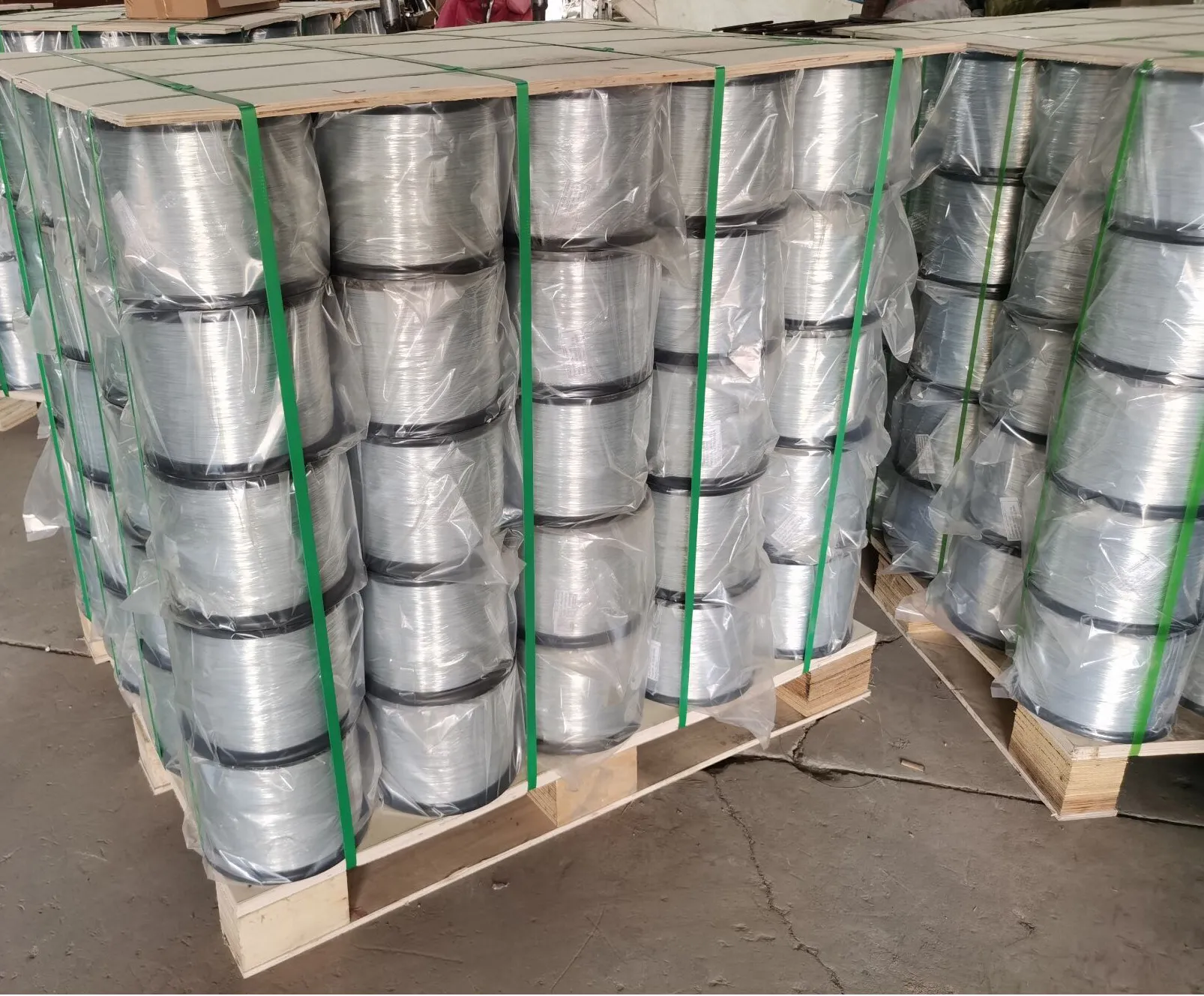
Gypsum screws are predominantly manufactured from hardened carbon steel, typically AISI 1022 or equivalent. The steel wire undergoes a cold heading process to form the screw head and shank. This cold forming significantly increases the tensile strength and hardness of the steel due to work hardening. Following heading, the screws are thread-rolled using hardened dies, creating a sharp, consistent thread geometry. The thread pitch and depth are critical parameters, influencing both penetration force and holding power. The screw's surface is then coated to provide corrosion resistance. Common coatings include zinc plating, with varying thicknesses (Type I, II, and III according to ASTM B633), and newer polymer-based coatings offering superior performance in humid environments. The zinc plating process involves electrochemical deposition, where the quality and adhesion of the zinc layer are heavily reliant on proper surface preparation (degreasing, pickling) and bath chemistry control (zinc concentration, pH, temperature). Polymer coatings often utilize acrylic or epoxy resins. Quality control during manufacturing emphasizes dimensional accuracy (head diameter, shank length, thread profile) assessed through automated vision systems and mechanical testing (tensile strength, shear strength). A common manufacturing defect is inconsistent head formation or incomplete threading, which can compromise the screw's performance and lead to installation issues. Hydrogen embrittlement, a risk during zinc plating, is mitigated through post-plating baking processes.
Performance & Engineering
The performance of gypsum screws is governed by a complex interplay of forces. Shear strength, the ability to resist forces acting parallel to the screw axis, is paramount. This is directly related to the screw's steel grade, shank diameter, and thread engagement. Tensile strength, the screw's resistance to being pulled apart, is critical for preventing pull-through failures, particularly in thinner gypsum board. Penetration performance, dictated by the screw's tip geometry (sharp point, self-drilling design), influences installation speed and the potential for drywall cracking. Environmental resistance is vital, especially in areas with high humidity or exposure to corrosive substances. Zinc coatings provide galvanic protection, sacrificing themselves to protect the underlying steel. However, the effectiveness of this protection diminishes over time, particularly in chloride-rich environments. Compliance with ASTM C1002 is essential, specifying minimum performance requirements for gypsum screws, including shear strength, tensile strength, and corrosion resistance. Engineering considerations also include the screw's ability to distribute loads evenly across the gypsum board and framing members, minimizing stress concentrations. The spacing and depth of screw penetration are critical design parameters, informed by load calculations and gypsum board thickness. Failure to adhere to recommended spacing can lead to localized stress and drywall failure.
Technical Specifications
| Parameter | Type 1 Gypsum Screw (Standard) | Type 1 Gypsum Screw (Coarse Thread) | Type 2 Gypsum Screw (Self-Drilling) |
|---|---|---|---|
| Nominal Length (in) | 1 1/4, 1 5/8, 2 1/2 | 1 5/8, 2 1/2, 3 | 1 1/4, 1 5/8, 2 1/2 |
| Diameter (in) | #6, #8 | #6, #8 | #6, #8 |
| Head Type | Bugle | Bugle | Bugle with Self-Drilling Tip |
| Minimum Shear Strength (lbs) | 150 | 180 | 160 |
| Minimum Tensile Strength (lbs) | 500 | 600 | 550 |
| Coating | Zinc Plated (Type I) | Zinc Plated (Type II) | Polymer Coated |
Failure Mode & Maintenance
Gypsum screw failures manifest in several common modes. Shear failure occurs when the screw's shank yields under excessive lateral load, leading to drywall detachment. Tensile failure, typically observed in pull-through situations, results from the screw exceeding its tensile strength. Corrosion is a significant long-term failure mechanism, particularly in high-humidity environments, leading to weakening of the screw and eventual failure. Hydrogen embrittlement, as previously mentioned, can accelerate corrosion. Fatigue cracking can occur in areas subject to repeated stress or vibration, initiating at stress concentrations (e.g., thread roots, head-shank junction). Delamination of the gypsum board itself around the screw head indicates over-driving or excessive force during installation. Preventive maintenance is limited, as gypsum screws are typically concealed within the wall assembly. However, proper installation techniques are crucial. This includes using the correct screw type for the substrate (wood vs. metal), avoiding over-driving, and ensuring adequate screw spacing. Regular inspection of drywall installations, particularly in high-moisture areas, can identify early signs of corrosion. In cases of localized drywall failure, screws can be replaced, but addressing the underlying cause (e.g., water damage, structural movement) is essential. Avoid using dissimilar metals in contact with the screw, as this can accelerate galvanic corrosion.
Industry FAQ
Q: What is the difference between Type S and Type 1 gypsum screws and when should each be used?
A: Type S screws are designed for direct application into metal studs without pre-drilling, featuring a sharper point and harder steel. Type 1 screws are generally used for wood framing or when pre-drilling into metal. Using Type S screws in wood can lead to splitting, while using Type 1 screws in metal without pre-drilling can cause stripping and reduced holding power.
Q: How does the zinc coating thickness affect the long-term performance of gypsum screws in corrosive environments?
A: Higher zinc coating thicknesses (Type II vs. Type I) provide greater galvanic protection and extend the screw's lifespan in corrosive environments. However, even Type II coatings will eventually degrade, especially in chloride-rich environments like coastal regions. Polymer coatings offer a more robust alternative.
Q: What is the impact of screw spacing on the overall structural integrity of a drywall assembly?
A: Incorrect screw spacing can significantly compromise the assembly's integrity. Too wide spacing reduces the holding power and increases the risk of flexing and cracking. Too narrow spacing can weaken the gypsum board and lead to screw pull-through. Spacing recommendations are dictated by gypsum board thickness and framing member spacing, as outlined in ASTM C840.
Q: What are the signs of over-driven gypsum screws, and what are the consequences?
A: Signs of over-driving include a countersunk screw head that has breached the gypsum board facing paper, and a weakened board surface surrounding the screw. Consequences include reduced holding power, drywall cracking, and potential failure of the assembly. A dimpled setting tool is recommended to prevent over-driving.
Q: Are there alternative coating options to zinc plating for improved corrosion resistance?
A: Yes, polymer coatings (acrylic, epoxy) offer superior corrosion resistance compared to zinc plating, especially in harsh environments. Stainless steel screws are also available for extremely corrosive applications, though they are significantly more expensive.
Conclusion
Gypsum screws, type 1, represent a critical, often understated, component in modern construction. Their performance is inextricably linked to material science – specifically the properties of hardened carbon steel and the effectiveness of corrosion-resistant coatings. The manufacturing process, from cold heading to thread rolling and coating application, demands rigorous quality control to ensure consistent performance and adherence to industry standards. Understanding the nuances of shear strength, tensile strength, and environmental resistance is paramount for selecting the appropriate screw type for a given application.
Looking ahead, innovations in gypsum screw technology will likely focus on enhancing corrosion resistance through advanced coating materials and optimizing screw designs for increased efficiency and reduced installation time. The increasing adoption of sustainable building practices may also drive demand for screws manufactured from recycled materials. Ultimately, informed material selection, proper installation techniques, and a comprehensive understanding of potential failure modes are essential for ensuring the long-term structural integrity and durability of drywall assemblies.