



Introduction
Gypsum screws, also known as drywall screws, are a critical fastening element in the construction industry, specifically for the installation of gypsum board – commonly referred to as drywall, plasterboard, or wallboard – to both wood and metal framing. Their price is a significant consideration for contractors and construction firms due to the large volumes used in any given project. These screws differ significantly from general-purpose screws due to their specialized design features, including a bugle head to minimize tearing of the paper face of the gypsum board, hardened steel construction for penetration, and a sharp point for ease of installation. The industry chain involves raw material suppliers (steel, zinc), screw manufacturers, distributors, and ultimately, construction professionals. Core performance characteristics center around shear strength, tensile strength, corrosion resistance, and the ability to consistently drive into gypsum board without causing breakage or stripping. Price variations are driven by steel market fluctuations, coating types (zinc, phosphate), screw gauge, length, and manufacturing location.
Material Science & Manufacturing
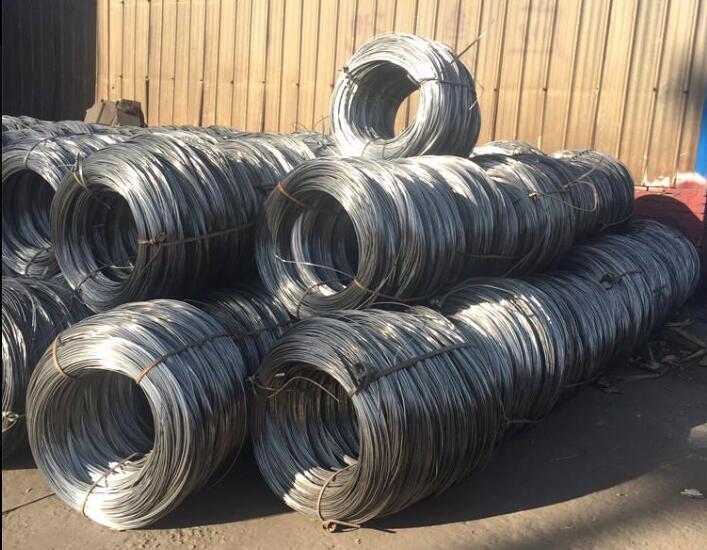
The primary material for gypsum screw production is carbon steel, typically SAE 1022 or similar grades, chosen for their balance of hardness, ductility, and weldability. Steel composition directly impacts the screw’s strength and ability to withstand shear forces. Manufacturing begins with cold heading, where wire is fed into a machine that cuts and forms the screw head. This process work-hardens the steel, increasing its tensile strength. Following heading, screws undergo thread rolling, using hardened dies to impart the screw threads without removing material, thus conserving material and increasing thread strength compared to cutting threads. Surface treatment is crucial. Common coatings include zinc plating (mechanized or electrolytic), phosphate coating, and increasingly, specialized polymer coatings for enhanced corrosion resistance. Zinc plating, commonly a hot-dip galvanized finish, offers sacrificial protection, corroding before the steel substrate. Phosphate coatings provide a base for paint or other coatings, enhancing adhesion and corrosion protection. Critical parameters during manufacturing include die temperature during thread rolling (affecting thread form and strength), coating thickness (determining corrosion resistance), and head geometry (ensuring proper gypsum board engagement). Quality control involves hardness testing (Rockwell C scale), tensile strength testing (ASTM F436), and coating thickness measurement (ASTM B487).
Performance & Engineering
Gypsum screw performance is fundamentally linked to load bearing capacity and resistance to failure under various stress conditions. Engineering analysis involves evaluating shear strength (the force required to break the screw body), tensile strength (resistance to pulling forces), and withdrawal resistance (the force required to pull the screw out of the gypsum board). The bugle head design is engineered to embed within the gypsum board surface without cracking the paper facing, maintaining the board's structural integrity. Frame material (wood or metal) significantly influences performance. When fastening to wood, screws rely primarily on friction and thread engagement. Metal framing requires self-drilling or self-tapping screws to penetrate the metal without pre-drilling. Environmental resistance is crucial, especially in high-humidity environments. Corrosion can lead to premature failure and structural instability. Compliance requirements are dictated by building codes (IBC, IRC) and industry standards (ASTM C1002 for gypsum board installation). Finite Element Analysis (FEA) is used to simulate screw behavior under load, optimizing head geometry and thread design. The screw's point style (sharp, blunt, self-drilling) influences installation efficiency and the risk of board splitting. Correct screw spacing, as defined in ASTM C840, is critical for maintaining wall stability.
Technical Specifications
| Screw Diameter (Gauge) | Screw Length (inches) | Head Type | Point Type |
|---|---|---|---|
| #6 (3.5mm) | 1 1/4" (31.75mm) | Bugle | Sharp |
| #8 (4.2mm) | 1 5/8" (41.28mm) | Bugle | Sharp |
| #8 (4.2mm) | 2" (50.8mm) | Bugle | Self-Drilling |
| #10 (4.8mm) | 1 1/2" (38.1mm) | Bugle | Self-Tapping |
| #10 (4.8mm) | 2 1/2" (63.5mm) | Bugle | Sharp |
| #12 (5.5mm) | 3" (76.2mm) | Bugle | Self-Drilling |
Failure Mode & Maintenance
Gypsum screw failure can manifest in several ways. Shear failure occurs when the screw body breaks under excessive lateral force. Tensile failure happens when the screw is over-torqued and stretches beyond its yield strength. Withdrawal failure results from inadequate thread engagement or damaged gypsum board. Corrosion is a significant long-term failure mode, particularly in humid environments, leading to rust and loss of holding power. Fatigue cracking can occur in areas subjected to repeated stress, such as areas near doors and windows. Delamination of the zinc coating reduces corrosion resistance. Oxidation of the steel substrate initiates corrosion. Preventative maintenance primarily focuses on proper installation techniques. Avoid over-driving screws, which can strip the gypsum board. Use appropriate screw length for the material thickness. Ensure correct screw spacing, adhering to ASTM C840 guidelines. For corrosion prevention, consider using screws with enhanced coatings (e.g., polymer-coated) in high-humidity environments. Periodic inspection of screw heads for signs of rust or corrosion is recommended, particularly in critical applications. If corrosion is detected, replacement of the affected screws is necessary.
Industry FAQ
Q: What is the impact of steel price fluctuations on gypsum screw pricing?
A: Steel constitutes a significant portion of the cost of gypsum screws. Fluctuations in steel prices, driven by global supply and demand, raw material costs (iron ore, coal), and geopolitical factors, directly translate into price changes for screws. Increased steel prices invariably lead to higher screw prices, and vice-versa. Procurement managers should monitor steel market indices and consider long-term contracts with suppliers to mitigate price volatility.
Q: What are the differences between Type A and Type B gypsum screws, and when should each be used?
A: Type A screws are designed for use with wood framing, featuring a coarser thread for improved grip. Type B screws are designed for use with metal framing, typically having a sharper point and harder core for self-tapping or self-drilling capabilities. Using the incorrect screw type can result in reduced holding power and potential failure. Always consult the gypsum board manufacturer's recommendations for the appropriate screw type.
Q: How does the coating type affect the longevity of gypsum screws in a humid environment?
A: Coating type is critical for corrosion resistance. Standard zinc plating offers basic protection, but in humid environments, a thicker coating or alternative coatings like phosphate or polymer coatings are preferred. Polymer coatings provide superior protection against salt spray and humidity, significantly extending screw life. The cost premium for enhanced coatings is often justified in coastal or high-humidity applications.
Q: What is the significance of the bugle head design in gypsum screws?
A: The bugle head is specifically designed to embed into the gypsum board surface without tearing or breaking the paper facing. This is crucial for maintaining the structural integrity of the gypsum board. A properly installed bugle head screw creates a flush finish and minimizes the risk of cracking, ensuring a smooth surface for painting or other finishes.
Q: What quality control standards should I look for when sourcing gypsum screws?
A: Key quality control standards include adherence to ASTM F436 (tensile strength), ASTM B487 (coating thickness), and Rockwell C hardness testing. Suppliers should provide certificates of conformance demonstrating compliance with these standards. Visual inspection for coating defects and thread integrity is also essential. Reputable manufacturers will have a robust quality management system in place.
Conclusion
Gypsum screws, while seemingly simple fasteners, are engineered components critical to the safety and durability of interior wall and ceiling systems. Their price is influenced by a complex interplay of material costs, manufacturing processes, and coating technologies. Understanding the material science, performance characteristics, and potential failure modes of these screws is essential for informed procurement and proper installation practices. The ongoing trend towards enhanced corrosion resistance and specialized screw designs for specific applications reflects a commitment to long-term structural integrity and reduced maintenance costs.
Future developments in gypsum screw technology are likely to focus on even more advanced coating materials, sustainable manufacturing processes, and potentially, the integration of smart fasteners with embedded sensors for monitoring wall integrity. Choosing the correct screw type for the application, paying attention to installation techniques, and prioritizing quality control are paramount to ensuring the reliable performance and longevity of gypsum board systems. A holistic approach to screw selection, considering both initial cost and lifecycle performance, is essential for maximizing value in construction projects.