



Introduction
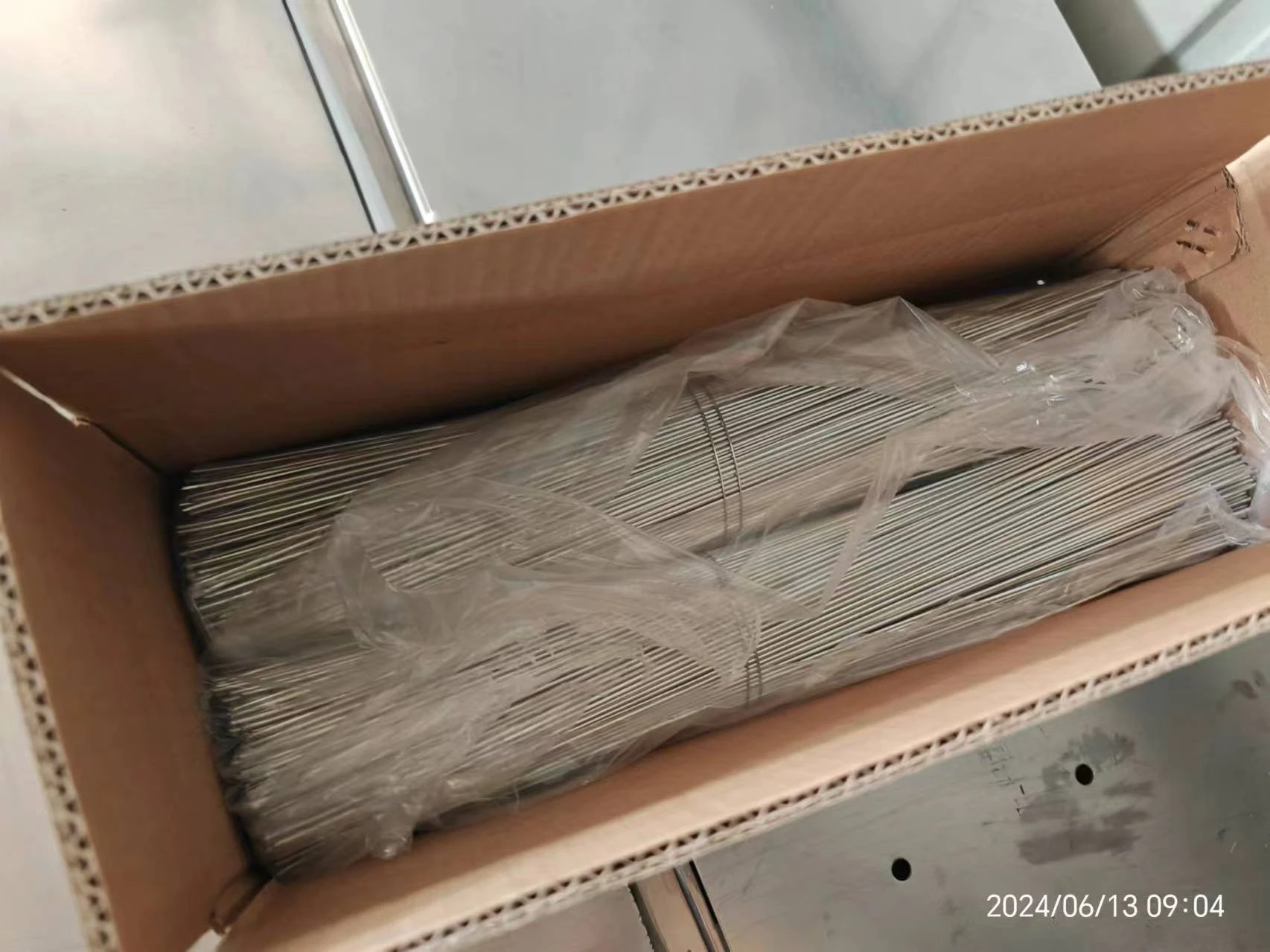
Hardened steel concrete nails are specialized fasteners utilized in the construction industry for securing materials to concrete, brick, and block substrates. They represent a critical component in applications ranging from structural framing and sheathing to the installation of fixtures and cladding. Positioned within the fastening technology supply chain, these nails bridge the gap between traditional nailing techniques and the demands of modern masonry construction. Unlike conventional nails, hardened steel concrete nails are engineered with a specific combination of material properties and design features to withstand the high impact forces and shear stresses inherent in concrete applications. Their core performance characteristics—high tensile strength, shear resistance, and durability—determine their suitability for diverse construction projects. The increasing prevalence of concrete as a building material necessitates a thorough understanding of these fasteners, their limitations, and best practices for their implementation.
Material Science & Manufacturing
The foundation of a hardened steel concrete nail's performance lies in its material composition. Typically, these nails are manufactured from medium to high-carbon steel (AISI 1045-1060), selected for its inherent strength and hardenability. The steel undergoes a heat treatment process, specifically quenching and tempering, to achieve the desired hardness. This process increases the material’s resistance to deformation and wear. The hardness, commonly measured by Rockwell C hardness (HRC) scale, is typically between 50-60 HRC. The manufacturing process begins with wire drawing, reducing the steel billet to the required nail diameter. Subsequently, the wire is fed into a nail-forming machine where it’s cut to length and headed (the formation of the nail head). Critical parameters during the heading process include impact force, die geometry, and temperature control. Improper heading can lead to internal stresses and reduced fatigue life. Surface treatments, such as phosphate coating or galvanization, are applied to enhance corrosion resistance. Phosphate coating provides a base for paint adhesion, while galvanization (typically hot-dip galvanizing) offers a sacrificial layer of zinc to protect against rust. The chemical compatibility of the coating with the concrete environment (alkaline pH) is paramount; improper galvanization can result in accelerated corrosion. Further, the manufacturing process is subject to stringent quality control checks, including dimensional accuracy, hardness testing, and coating thickness verification to ensure consistent product performance.
Performance & Engineering
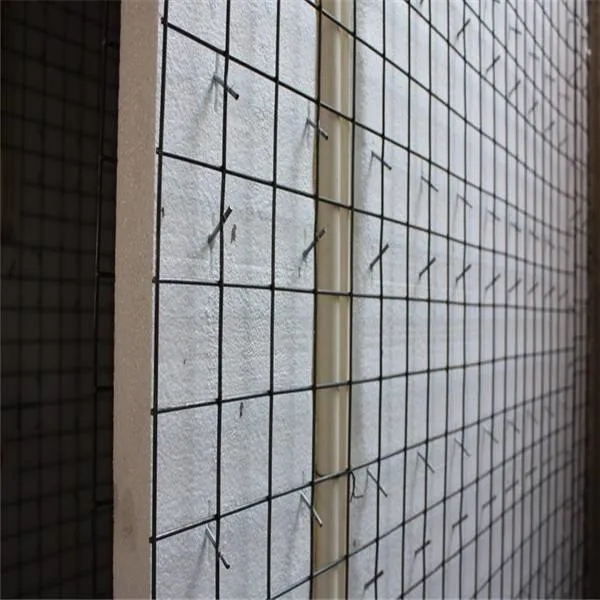
The performance of hardened steel concrete nails is dictated by several engineering principles. Force analysis focuses on the nail's ability to resist pull-out, shear, and bending forces. Pull-out resistance is directly related to the nail’s shank diameter, length, and the compressive strength of the concrete. Shear resistance depends on the nail’s shank diameter and the concrete's shear strength. The nail's geometry – particularly the head diameter and point angle – influences its driving characteristics and holding power. A wider head distributes the load more effectively, while a sharper point facilitates easier penetration. Environmental resistance is crucial; concrete structures are exposed to a range of temperatures, humidity levels, and chemical agents. The protective coating (galvanization or phosphate) must withstand these conditions to prevent corrosion. Compliance requirements are governed by international standards (detailed in the footer) and building codes. These standards specify minimum material properties, coating thicknesses, and testing procedures to ensure structural integrity. Functional implementation necessitates careful consideration of nail spacing and edge distances. Insufficient spacing can lead to concrete cracking, while inadequate edge distance can reduce pull-out resistance. Furthermore, the type of concrete (normal weight, lightweight, or reinforced) influences the nail’s performance, requiring appropriate selection and installation techniques. Understanding the load-bearing capacity of the nail in different concrete types is vital for safe and reliable construction.
Technical Specifications
| Diameter (inch) | Length (inch) | Tensile Strength (PSI) | Shear Strength (PSI) |
|---|---|---|---|
| 0.120 | 1.5 | 120,000 | 80,000 |
| 0.148 | 2.0 | 150,000 | 100,000 |
| 0.162 | 2.5 | 160,000 | 110,000 |
| 0.190 | 3.0 | 180,000 | 120,000 |
| 0.212 | 3.5 | 200,000 | 130,000 |
| 0.250 | 4.0 | 220,000 | 150,000 |
Failure Mode & Maintenance
Hardened steel concrete nails are susceptible to several failure modes in practical applications. Fatigue cracking can occur under cyclical loading, initiated by microscopic defects in the material or stress concentrations at the nail head. Delamination of the concrete surrounding the nail shank can reduce pull-out resistance, particularly in lower-strength concrete. Degradation of the protective coating (galvanization or phosphate) leads to corrosion, weakening the nail and potentially causing it to fail prematurely. Oxidation, especially in humid environments, promotes rust formation and reduces the nail’s effective cross-sectional area. Brittle fracture can occur if the nail is subjected to sudden impact or excessive bending forces, exceeding its yield strength. Maintenance primarily focuses on preventative measures. Regular inspection of exposed nails for signs of corrosion is crucial. If corrosion is detected, the affected nails should be replaced. Recoating of nails with a suitable corrosion inhibitor can extend their service life. Furthermore, ensuring proper installation techniques – correct nail spacing, sufficient edge distance, and appropriate driving force – minimizes the risk of premature failure. Avoiding overdriving the nails, which can damage the surrounding concrete, is also essential. The use of compatible fasteners and avoiding contact with dissimilar metals reduces the risk of galvanic corrosion.
Industry FAQ
Q: What is the impact of concrete compressive strength on nail pull-out resistance?
A: Higher concrete compressive strength directly translates to increased pull-out resistance. The bond between the nail shank and the concrete matrix is stronger in denser, higher-strength concrete. Therefore, selection of appropriate nail length and diameter is paramount, taking into account the specific concrete strength for the application.
Q: How does the type of concrete (e.g., lightweight vs. normal weight) affect nail performance?
A: Lightweight concrete offers lower pull-out resistance compared to normal weight concrete due to its lower density and reduced bond strength. Therefore, longer nails or nails with larger shank diameters are typically required for equivalent performance in lightweight concrete applications.
Q: What is the role of the nail point angle in driving performance and concrete splitting?
A: A sharper point angle facilitates easier nail penetration, reducing driving effort and minimizing concrete displacement. However, excessively sharp angles can increase the risk of concrete splitting, particularly near edges. A balance must be struck between ease of penetration and minimizing concrete damage.
Q: Can hardened steel concrete nails be used in reinforced concrete, and what precautions should be taken?
A: Yes, they can be used, but extreme caution is necessary. Driving nails near reinforcing steel (rebar) can cause deflection of the rebar, potentially compromising its structural integrity. It’s critical to avoid direct contact between the nail and the rebar. Pre-drilling may be required in some cases.
Q: What is the expected service life of a galvanized hardened steel concrete nail in a marine environment?
A: The service life in a marine environment is significantly reduced due to the corrosive effects of saltwater. While galvanization provides some protection, accelerated corrosion is likely. Consider using stainless steel nails or applying additional protective coatings (epoxy or specialized marine-grade paints) for long-term durability.
Conclusion
Hardened steel concrete nails represent a vital fastening solution for a wide spectrum of construction applications involving concrete, brick, and block. Their performance is intricately linked to material science principles, manufacturing precision, and a thorough understanding of engineering mechanics. Proper selection, considering factors such as concrete strength, environmental conditions, and load requirements, is critical for ensuring structural integrity and long-term durability.
Moving forward, advancements in coating technologies (e.g., duplex systems combining galvanization with organic coatings) and nail geometries (e.g., improved shank profiles for enhanced shear resistance) will continue to enhance the performance and longevity of these fasteners. Further research into the interaction between nail materials and different concrete compositions will refine design guidelines and optimize application methods, solidifying their role in sustainable and reliable construction practices.