



Introduction
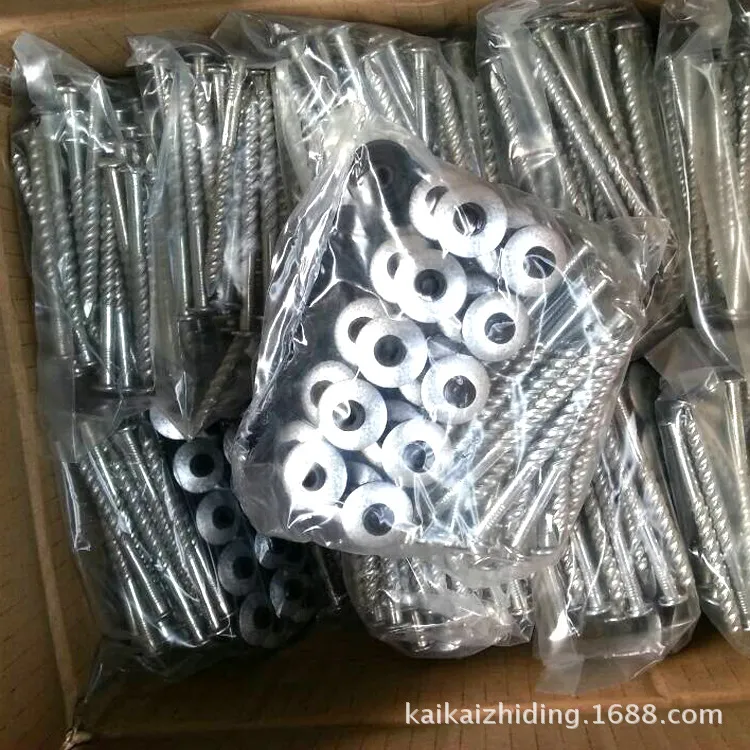
Heavy duty drywall screws are a critical fastening element in modern construction, primarily utilized for securing drywall (gypsum board) to wood or metal framing. Unlike standard drywall screws, these fasteners are engineered for enhanced load-bearing capacity, increased shear strength, and superior performance in demanding applications. Their technical position within the construction supply chain is as a specialized component following framing material installation and preceding finishing operations. Core performance characteristics include penetration depth, pull-out resistance, and resistance to stripping, all of which significantly impact the structural integrity and longevity of interior wall and ceiling systems. A primary industry pain point is ensuring consistent screw performance across varying drywall thicknesses and framing materials to avoid issues like ‘popping’ or compromised fastening, leading to costly rework. The evolution of these screws has been driven by demands for faster installation, thinner drywall gauges, and improved acoustic and fire-resistant properties.
Material Science & Manufacturing
Heavy duty drywall screws are predominantly manufactured from carbon steel, specifically C1022 or C1018 steel, selected for its balance of strength, ductility, and cost-effectiveness. The steel undergoes a cold-heading process, forming the screw head and shank. Critical physical properties of the base material include tensile strength (typically 850-1000 MPa), yield strength (550-700 MPa), and elongation (18-25%). Surface treatments are crucial; phosphate coatings (typically zinc phosphate) are applied to improve paint adhesion and enhance corrosion resistance. Some screws employ specialized coatings such as drywall compound-resistant coatings to prevent corrosion from prolonged exposure to gypsum board compounds. Manufacturing involves precise control of thread pitch (typically 16 TPI) and thread form, which directly impact holding power. Screw point geometry is also vital: Type A points are self-tapping for wood, while Type B points are self-drilling for metal. The manufacturing process is subject to strict quality control, including hardness testing (Rockwell C scale), dimensional inspection, and coating thickness verification. Failure to maintain dimensional accuracy, particularly in the thread form, results in reduced holding power and potential for stripping. The raw material's chemical composition must adhere to ASTM A276 standards to ensure consistency in mechanical properties.
Performance & Engineering
The performance of heavy duty drywall screws is dictated by a complex interplay of shear strength, tensile strength, and embedment depth. Force analysis focuses on pull-out resistance, lateral load capacity, and screw bending strength. Pull-out resistance is primarily governed by the screw’s thread engagement with the substrate (drywall and framing member) and the compressive strength of the drywall itself. Lateral load capacity is critical in resisting racking forces, especially in seismic regions. Engineering specifications frequently reference ASTM E415 for testing screw-to-framing connections. Environmental resistance is crucial, particularly in humid climates. Corrosion is a significant concern, and appropriate coatings are essential to prevent rust formation, which weakens the screw and stains the drywall. Compliance requirements vary based on location and building codes; for example, screws used in fire-rated assemblies must meet specific standards outlined in UL 263 and UL 219. Functional implementation considerations include screw spacing, embedment depth (typically ½ inch minimum into the framing member), and proper installation techniques (avoiding overdriving or stripping). The screw head’s bugle angle must be optimized to prevent tearing of the drywall face paper, which significantly reduces holding power.
Technical Specifications
| Diameter (inches) | Length (inches) | Head Type | Point Type |
|---|---|---|---|
| 0.140 | 1 ¼ | Bugle | Type A (Self-Tapping) |
| 0.140 | 1 ⅝ | Bugle | Type A (Self-Tapping) |
| 0.140 | 2 | Bugle | Type A (Self-Tapping) |
| 0.187 | 1 ½ | Bugle | Type B (Self-Drilling) |
| 0.187 | 2 ¼ | Bugle | Type B (Self-Drilling) |
| 0.187 | 3 | Bugle | Type B (Self-Drilling) |
Failure Mode & Maintenance
Common failure modes for heavy duty drywall screws include stripping of the screw head, shear failure along the screw shank, pull-out failure from the drywall or framing member, and corrosion-induced weakening. Stripping occurs when excessive torque is applied during installation, exceeding the shear strength of the screw head. Shear failure happens when lateral loads exceed the screw’s shear strength, particularly in thin drywall. Pull-out failure is linked to inadequate embedment depth or the use of screws with insufficient thread engagement. Corrosion, particularly in high-humidity environments, weakens the screw material, reducing its load-bearing capacity. Failure analysis reveals that incorrect screw selection (e.g., using a Type A screw into metal framing) significantly increases the likelihood of failure. Maintenance typically involves inspecting screw heads for signs of loosening or stripping. If screws are loose, they should be tightened (avoiding over-tightening). Corroded screws should be replaced. Preventative measures include using screws with appropriate coatings for the environmental conditions and ensuring proper installation techniques are followed. Regularly assessing drywall systems for cracking or deflection can indicate underlying fastener issues. Applying a compatible corrosion inhibitor around screw locations in particularly corrosive environments can extend service life.
Industry FAQ
Q: What is the difference between a Type A and Type B drywall screw point, and when should each be used?
A: Type A screws have a gimlet point designed for self-tapping into wood framing. They require pilot holes in harder wood species. Type B screws have a sharper, self-drilling point designed for metal framing. Attempting to use a Type A screw in metal framing will likely result in stripping or damage. Using a Type B screw in wood framing isn’t necessarily detrimental but isn’t optimal; a Type A screw is preferred for efficient wood penetration.
Q: How does drywall thickness impact the required screw length?
A: Generally, a minimum embedment of ½ inch into the framing member is required. For ½-inch drywall, a 1 ¼-inch screw is commonly used. For ⅝-inch drywall, a 1 ⅝-inch screw is more appropriate. Exceeding the recommended length can lead to screws protruding through the back of the framing, creating a safety hazard and potentially damaging wiring or plumbing.
Q: What is the impact of screw spacing on the overall wall system performance?
A: Screw spacing directly affects the wall’s resistance to deflection and racking forces. Closer spacing (e.g., 12 inches on center) provides greater support and stability, particularly in high-stress areas. Wider spacing (e.g., 16 inches on center) is acceptable for less demanding applications but may compromise performance. Local building codes often dictate minimum screw spacing requirements.
Q: How can I mitigate the risk of screw “popping” in drywall installations?
A: Screw popping occurs when screws loosen over time due to drywall shrinkage or framing movement. To minimize this, ensure proper screw embedment, avoid overdriving screws, and use screws with a bugle head designed to minimize drywall paper tearing. Using heavier-gauge screws and ensuring the framing is adequately secured can also help.
Q: What role do coatings play in the longevity of heavy duty drywall screws?
A: Coatings, like zinc phosphate, primarily prevent corrosion. Corrosion weakens the screw, reducing its holding power and potentially causing staining of the drywall. In humid or corrosive environments (e.g., coastal areas), selecting screws with more robust corrosion-resistant coatings is crucial. Drywall compound-resistant coatings prevent corrosion caused by prolonged contact with drywall mud.
Conclusion
Heavy duty drywall screws represent a significant advancement in fastening technology for interior construction. Their enhanced mechanical properties, combined with proper material selection and manufacturing processes, provide superior performance compared to standard drywall screws. Understanding the intricacies of screw material science, installation techniques, and potential failure modes is essential for ensuring the structural integrity and long-term durability of drywall systems. The continuous refinement of these fasteners, driven by industry demands for faster installation and improved performance, positions them as a critical component in modern building practices.
Moving forward, advancements in coating technologies and screw geometry will likely focus on further enhancing corrosion resistance and reducing installation effort. The integration of data-driven analytics during the manufacturing process – utilizing statistical process control (SPC) to monitor and refine key parameters – will also be crucial for maintaining consistent product quality. Continued adherence to industry standards and rigorous testing protocols will remain paramount to ensure the reliable performance of heavy duty drywall screws in a diverse range of construction applications.