



Introduction
Large drywall screws represent a critical fastening component within the building construction industry, primarily used for securing gypsum wallboard (drywall) to wood or metal studs. Positioned downstream from steel manufacturing and chemical treatment processes, these screws function as a key element in creating interior wall and ceiling assemblies. Their performance dictates the structural integrity and fire-resistance characteristics of the finished construction. Core performance characteristics encompass shear strength, tensile strength, thread-holding capability, and corrosion resistance – all of which directly influence the long-term durability and safety of building interiors. A significant industry pain point revolves around inconsistent screw quality leading to pull-through failures, screw stripping, and ultimately, costly rework and potential safety hazards. Furthermore, differing regional building codes and evolving material compatibility requirements necessitate a thorough understanding of screw specifications and proper application techniques.
Material Science & Manufacturing
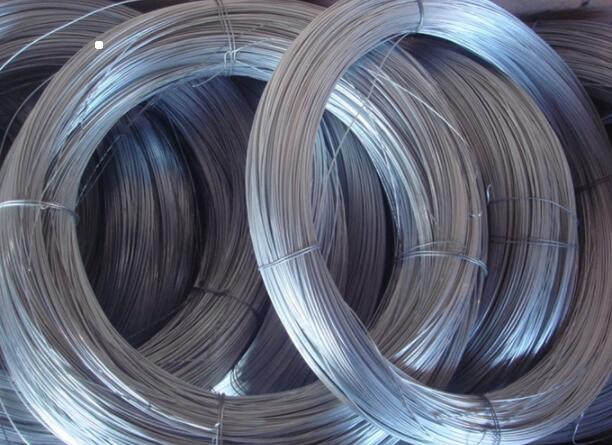
Large drywall screws are predominantly manufactured from medium-carbon steel, typically AISI/SAE C1018 or C1022. These steels offer a balance of strength, ductility, and cost-effectiveness. Raw material selection is paramount; the steel billet must undergo rigorous quality control to ensure chemical composition conformity and freedom from impurities that could compromise material properties. The manufacturing process typically involves cold heading, where the steel wire is fed into a heading machine and formed into the screw shape under high pressure. This process work-hardens the steel, increasing its tensile strength. Following heading, screws undergo thread rolling, which creates the threads without material removal, preserving grain flow and maximizing strength. A crucial step is phosphate coating, typically zinc phosphate, applied via a chemical bath. This coating provides a base for paint adhesion and significantly enhances corrosion resistance. Finally, screws may be further coated with a polymer coating (e.g., acrylic or epoxy) for enhanced corrosion protection and aesthetic appeal. Key parameter control during manufacturing includes maintaining precise die dimensions during heading and rolling to ensure thread accuracy and consistent screw geometry, as well as strict control of phosphate bath chemistry and coating thickness. Hydrogen embrittlement is a potential issue during phosphate coating and is mitigated through baking processes post-coating.

Performance & Engineering
The performance of large drywall screws is governed by several key engineering principles. Shear strength, the ability to resist forces acting parallel to the screw’s axis, is critical for preventing pull-through failures. Tensile strength, the resistance to forces pulling the screw apart, determines the screw’s ability to withstand axial loads. Thread design (coarse vs. fine) influences holding power in different substrate materials; coarse threads generally provide better holding power in wood, while fine threads are preferred for metal studs. Environmental resistance is a major consideration. Corrosion, particularly in humid environments, can degrade the screw’s strength and lead to structural failure. Coating quality and material selection are therefore crucial. Compliance requirements, as dictated by building codes (e.g., IBC, IRC), specify minimum performance standards for drywall screws, including shear strength, tensile strength, and corrosion resistance. Force analysis, utilizing finite element analysis (FEA), is often employed during product development to optimize screw geometry and material properties for specific load-bearing applications. Specifically, the screw head geometry and thread profile are optimized to distribute stress evenly and prevent premature failure. The screw’s withdrawal resistance is influenced by the engagement length within the substrate, the screw diameter, and the wood or metal species (or metal gauge) being fastened.
Technical Specifications
| Diameter (inches) | Length (inches) | Head Type | Point Type |
|---|---|---|---|
| 0.140 | 1 1/4 | Bugle | Type A (Sharp) |
| 0.140 | 1 5/8 | Bugle | Type A (Sharp) |
| 0.140 | 2 | Bugle | Type A (Sharp) |
| 0.187 | 1 1/4 | Bugle | Type A (Sharp) |
| 0.187 | 1 5/8 | Bugle | Type A (Sharp) |
| 0.187 | 2 | Bugle | Type A (Sharp) |
Failure Mode & Maintenance
Large drywall screws are susceptible to several failure modes. Fatigue cracking can occur under cyclic loading, particularly in high-traffic areas or where vibrations are present. This is often initiated at stress concentrations around the screw head or threads. Striping of the screw threads within the substrate is a common failure, especially with over-tightening or when fastening into softer wood. Pull-through failures occur when the screw loses its holding power in the substrate, often due to insufficient screw length or inadequate substrate density. Corrosion, particularly in damp environments, leads to weakening of the screw material and eventual failure. Hydrogen embrittlement, as mentioned previously, can also contribute to brittle fracture. Delamination of the drywall itself around the screw head can occur if excessive force is applied during installation. Maintenance is limited, as screws are generally inaccessible after drywall installation. However, preventive measures include proper screw selection based on the substrate material, correct installation techniques (avoiding over-tightening), and the use of corrosion-resistant screws in humid environments. Regularly inspecting for signs of corrosion or loosening, especially in areas prone to moisture, can help identify potential problems before they escalate. For repairs, damaged screws should be replaced with screws of the same type and size.
Industry FAQ
Q: What is the difference between Type A and Type AB drywall screws, and which should I use for metal studs?
A: Type A screws have a sharp point designed for wood and drywall. Type AB screws have a blunt point intended for self-tapping into metal studs. While a Type A screw can be used in metal, it requires a pre-drilled pilot hole and doesn’t provide the same secure hold as a Type AB screw. Using a Type AB screw significantly reduces the risk of stripping and ensures a more reliable connection in metal stud applications.
Q: How does the coating on a drywall screw affect its performance in a high-humidity environment?
A: The coating is the primary defense against corrosion. Standard zinc phosphate coatings provide moderate corrosion resistance. However, in high-humidity environments, particularly near coastal regions, a more robust coating such as an acrylic or epoxy polymer coating is highly recommended. These coatings create a barrier that prevents moisture from reaching the steel core, significantly extending the screw’s service life.
Q: What is the appropriate screw length to use when attaching drywall to 2x4 wood studs?
A: A general rule of thumb is to penetrate at least 1 inch into the wood stud. For 2x4 studs (actual dimensions 1.5 inches), a 1 1/4-inch screw is typically sufficient. However, thicker drywall (e.g., 5/8 inch) may require a 1 5/8-inch or 2-inch screw to ensure adequate penetration.
Q: How can I prevent screw stripping when installing drywall?
A: Avoid over-tightening the screws. Use a drywall screw gun with an adjustable clutch to control the driving depth. Ensure the screw is driven perpendicular to the drywall surface. For harder wood studs, consider using a pre-drilled pilot hole, particularly with larger diameter screws. Avoid using screws that are damaged or have stripped heads.
Q: What do the different head types (bugle, flat, wafer) offer in terms of drywall installation?
A: Bugle heads are the most common and are designed to self-countersink into the drywall surface without tearing the paper face. Flat heads are typically used for applications where a flush surface is desired, often requiring a countersinking tool. Wafer heads offer a larger bearing surface and are often used in applications requiring higher pull-through resistance.
Conclusion
Large drywall screws, while seemingly simple fasteners, are crucial components influencing the structural integrity and longevity of interior building assemblies. Their performance relies heavily on material selection – specifically the properties of medium-carbon steel – and meticulous manufacturing processes encompassing cold heading, thread rolling, and phosphate coating. Understanding the failure modes, such as fatigue cracking, stripping, and corrosion, is essential for selecting the appropriate screw type and implementing proper installation techniques.
The ongoing trend towards more durable and sustainable building materials necessitates continued innovation in drywall screw technology. Future developments may focus on advanced coating materials offering even greater corrosion resistance, optimized thread designs for improved holding power, and the incorporation of smart features for performance monitoring. Adherence to established international standards and a proactive approach to quality control remain paramount for ensuring the reliable performance and safety of these vital fastening components.