



Introduction
Masonry nails for cured concrete represent a specialized fastening solution engineered for securing materials into hardened concrete substrates. Unlike conventional nails designed for wood or softer materials, these nails are specifically formulated and manufactured to overcome the compressive strength and inherent brittleness of cured concrete. Their technical position within the construction industry chain lies between concrete anchoring systems (anchor bolts, epoxy anchors) and lighter-duty direct fastening methods. Core performance characteristics center around shear strength, pull-out resistance, and minimizing concrete spalling during installation. Effective use demands a thorough understanding of concrete composition, nail material properties, and installation techniques to ensure structural integrity and long-term performance. The selection criteria extend beyond simple holding power, factoring in environmental exposure, load type (static vs. dynamic), and applicable building codes.
Material Science & Manufacturing
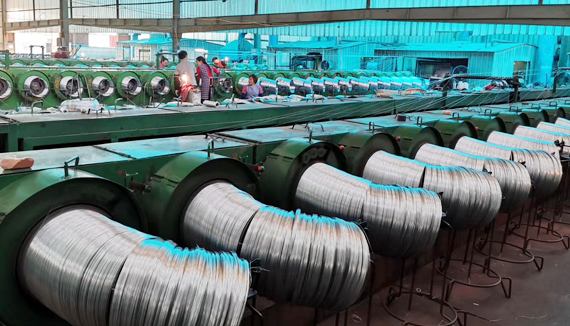
Masonry nails for cured concrete are typically manufactured from high-carbon steel, often alloyed with elements like manganese, silicon, and chromium to enhance hardness, tensile strength, and corrosion resistance. The steel's microstructure is critical; heat treatment processes such as quenching and tempering are employed to achieve the optimal balance between brittleness and ductility. Nail coatings are prevalent and range from zinc plating (galvanization) for basic corrosion protection to specialized epoxy or polymer coatings for highly corrosive environments. Concrete, the receiving substrate, consists primarily of cement, aggregates (sand, gravel, or crushed stone), and water. The compressive strength of cured concrete, typically measured in pounds per square inch (PSI) or megapascals (MPa), directly influences nail holding power. Manufacturing processes vary but generally involve cold heading (forming the nail head) and subsequent machining or grinding to achieve precise dimensions and point geometry. Point geometry – typically a diamond, blunt, or chisel point – is paramount for initial penetration and minimizing concrete fracture. Critical parameter control during manufacturing includes ensuring consistent material composition, accurate heat treatment cycles, coating thickness uniformity, and dimensional tolerances within +/- 0.005 inches. Raw material traceability is essential for quality control and adherence to industry standards.
Performance & Engineering
The performance of masonry nails in cured concrete is governed by several engineering principles. Shear strength, the nail’s resistance to lateral forces, is directly related to the nail’s diameter, length, and steel grade. Pull-out resistance, the force required to extract the nail, depends on the embedment depth, concrete compressive strength, and the nail’s surface features (e.g., rings or barbs). Force analysis involves calculating the tensile stress on the nail shank and the compressive stress on the surrounding concrete. Environmental resistance is a key consideration; exposure to moisture, chlorides, and freeze-thaw cycles can accelerate corrosion and reduce holding power. Compliance requirements are dictated by building codes (IBC, UBC) and industry standards (ICBO, ANSI). Nails must meet minimum performance criteria for shear and pull-out resistance, as determined through standardized testing procedures. Functional implementation often involves pre-drilling a pilot hole, particularly in high-strength concrete, to reduce the risk of cracking and facilitate nail insertion. The diameter of the pilot hole must be carefully chosen to provide sufficient clearance for the nail shank without compromising the concrete’s integrity. Consideration must also be given to edge distance (the distance from the nail to the edge of the concrete) and spacing between nails to avoid exceeding the concrete’s tensile capacity. Load duration (static vs. dynamic) impacts nail performance, requiring a safety factor to account for fatigue and impact loads.
Technical Specifications
| Nail Diameter (inches) | Nail Length (inches) | Minimum Shear Strength (lbs) | Minimum Pull-Out Resistance (lbs) |
|---|---|---|---|
| 0.120 | 1.5 | 250 | 150 |
| 0.148 | 2.0 | 400 | 250 |
| 0.177 | 2.5 | 600 | 400 |
| 0.216 | 3.0 | 800 | 600 |
| 0.250 | 3.5 | 1000 | 800 |
| 0.280 | 4.0 | 1200 | 1000 |
Failure Mode & Maintenance
Failure of masonry nails in cured concrete typically manifests in several forms. Shear failure occurs when the nail’s shank yields or fractures under lateral loading. Pull-out failure happens when the nail loses its grip on the concrete, often due to insufficient embedment depth or concrete degradation. Concrete spalling, the chipping or cracking of concrete around the nail, can weaken the connection and lead to failure. Corrosion is a significant failure mode, particularly in chloride-rich environments, as it weakens the nail material and reduces its effective cross-sectional area. Fatigue cracking can occur under cyclical loading, initiating at stress concentrations around the nail head or point. Maintenance primarily involves regular inspection for signs of corrosion or concrete deterioration. If corrosion is detected, the affected nails should be replaced. Cracked or spalled concrete around the nail should be repaired with a suitable concrete patching compound. Preventative measures include using corrosion-resistant coatings, ensuring proper nail installation techniques, and protecting the concrete from excessive moisture exposure. Periodic re-tightening (if applicable, for nails used with sleeves or washers) can help maintain connection integrity. Furthermore, maintaining detailed records of nail type, installation date, and environmental exposure can facilitate proactive maintenance and failure analysis.
Industry FAQ
Q: What is the impact of concrete compressive strength on masonry nail holding power?
A: Higher concrete compressive strength generally results in greater masonry nail holding power. The concrete provides greater resistance to the nail shank, increasing both shear and pull-out resistance. However, excessively high concrete strengths can also increase the risk of concrete cracking during nail installation, necessitating pre-drilling pilot holes.
Q: Are masonry nails suitable for use in all types of concrete?
A: No. Masonry nails are best suited for normal-weight concrete. Lightweight concrete, due to its lower density and strength, provides significantly reduced holding power. Additionally, the presence of significant voids or aggregates near the nail location can compromise its performance.
Q: What coating provides the best corrosion resistance for masonry nails?
A: Epoxy coatings generally offer superior corrosion resistance compared to zinc plating. However, epoxy coatings are more expensive and may require specialized surface preparation. Hot-dip galvanizing provides a good balance of cost and corrosion protection, suitable for many applications. Stainless steel nails offer the highest level of corrosion resistance but are the most expensive option.
Q: What is the recommended edge distance and nail spacing for optimal performance?
A: Recommended edge distance is typically 2.5 to 5 nail diameters. Nail spacing should be a minimum of 4 nail diameters center-to-center. Closer spacing can increase the risk of concrete cracking and reduce overall holding power. Consult manufacturer specifications for specific recommendations.
Q: How does temperature affect the performance of masonry nails?
A: Extreme temperatures can affect both the nail material and the concrete. Low temperatures can reduce the ductility of the steel, making it more prone to brittle fracture. Freeze-thaw cycles can cause concrete cracking, weakening the connection. High temperatures can reduce the concrete's compressive strength.
Conclusion
Masonry nails for cured concrete represent a viable, though nuanced, fastening solution for specific applications. Their effectiveness hinges upon a comprehensive understanding of the interplay between nail material properties, concrete characteristics, installation techniques, and environmental conditions. Proper selection necessitates careful consideration of load requirements, corrosion potential, and applicable building codes.
Looking forward, advancements in nail coating technologies – exploring self-healing polymers and nano-coatings – will likely enhance corrosion resistance and extend service life. Further research into concrete-nail interface mechanics will refine design guidelines and optimize nail geometry for improved holding power and reduced concrete spalling. The trend towards sustainable construction will also drive the development of more environmentally friendly nail materials and manufacturing processes.