




Introduction
The practice of nailing wood into concrete represents a common, yet structurally complex, joining method prevalent in construction and infrastructure applications. While seemingly straightforward, achieving a durable and load-bearing connection necessitates a thorough understanding of concrete properties, wood characteristics, fastener mechanics, and potential failure modes. This guide provides a comprehensive technical overview of nailing wood to concrete, examining material science, manufacturing considerations for fasteners, performance parameters, relevant engineering principles, typical failure analyses, and applicable industry standards. The increasing demand for efficient and cost-effective construction techniques highlights the importance of optimizing this joining method, moving beyond empirical approaches towards a scientifically informed and engineered solution. Core industry pain points include pull-out resistance, concrete cracking, fastener corrosion, and ensuring long-term structural integrity under varying environmental conditions.
Material Science & Manufacturing
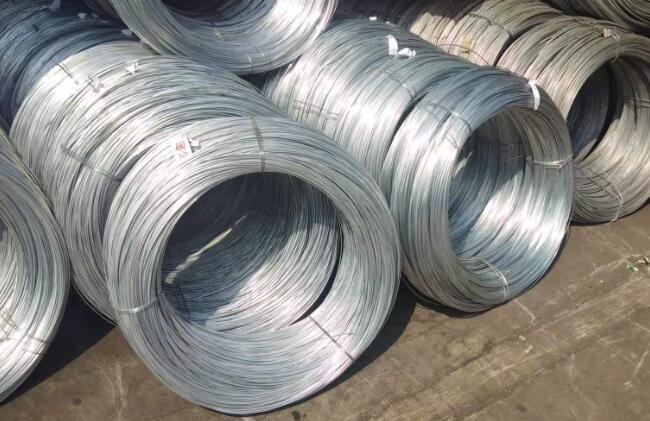
The effectiveness of nailing wood to concrete is fundamentally dictated by the properties of the three primary materials involved: concrete, wood, and the nail. Concrete’s compressive strength (typically ranging from 25 MPa to 70 MPa depending on mix design) dictates its resistance to crushing under load, while its tensile strength (approximately 10% of compressive strength) determines its susceptibility to cracking. The type of aggregate used (e.g., granite, limestone, silica) impacts the concrete's overall durability and resistance to weathering. Wood, a heterogeneous anisotropic material, presents complexities due to variations in density, grain orientation, and moisture content. Common wood species used in construction exhibit varying bending strengths and shear strengths. Fastener manufacturing typically involves cold forging of high-carbon steel, followed by surface treatments to enhance corrosion resistance (e.g., galvanization, epoxy coating). Nail shank designs (smooth, ring, spiral) influence pull-out resistance. The manufacturing process must ensure dimensional accuracy and consistent mechanical properties of the nail. Precise control of heat treatment during nail production is crucial for achieving the desired hardness and ductility. Incorrect heat treatment can lead to brittle nails prone to shearing or bending. The composition of the concrete mix, particularly the water-cement ratio, affects porosity and therefore, the anchor’s ability to resist corrosion. Furthermore, the wood’s moisture content at the time of nailing significantly affects the long-term connection integrity, as dimensional changes with moisture fluctuations can induce stress on the fastener.
Performance & Engineering
The performance of a nailed wood-to-concrete connection is primarily governed by three failure modes: nail bending, nail pull-out, and concrete breakout. Nail bending occurs when the fastener exceeds its yield strength under shear stress. Pull-out resistance is dependent on the nail shank’s geometry, the wood’s density and grain orientation, and the embedment depth within the wood. Concrete breakout occurs when the concrete surrounding the nail fails in shear, causing the nail to be ripped out of the concrete. Engineering calculations must consider the applied loads (static, dynamic, impact), the safety factor, and the specific material properties. Force analysis involves determining the shear force and tensile force acting on the nail. The design must account for combined loading scenarios. Environmental resistance is crucial; corrosion of the nail significantly reduces its load-bearing capacity. Exposure to moisture, chlorides, and other corrosive agents accelerates the corrosion process. Compliance requirements, dictated by building codes and industry standards, specify minimum nail size, spacing, and embedment depth based on the anticipated loads and the structural application. Proper installation techniques, including pre-drilling pilot holes in both the wood and concrete (especially for hardwoods and high-strength concrete), are essential to minimize splitting and cracking. The angle of nail insertion also affects performance; a slight angling of the nail can increase pull-out resistance but can also induce higher bending stresses. Detailed consideration must be given to the edge distance, ensuring sufficient concrete remains to prevent premature breakout failure.
Technical Specifications
| Nail Diameter (mm) | Nail Length (mm) | Minimum Embedment Depth in Wood (mm) | Minimum Concrete Thickness (mm) |
|---|---|---|---|
| 3.3 | 50 | 30 | 100 |
| 3.8 | 65 | 40 | 150 |
| 4.2 | 80 | 50 | 200 |
| 4.5 | 90 | 60 | 250 |
| 5.0 | 100 | 70 | 300 |
| 6.0 | 120 | 90 | 350 |
Failure Mode & Maintenance
Common failure modes in nailed wood-to-concrete connections include nail bending (yielding or shear fracture of the nail shank), nail pull-out (withdrawal of the nail from the wood due to insufficient embedment or wood degradation), concrete breakout (failure of the concrete surrounding the nail, leading to loss of anchorage), wood splitting (cracking of the wood along the grain, reducing the effective bearing area), and corrosion (reduction of nail cross-section due to electrochemical attack, diminishing load-carrying capacity). Fatigue cracking can occur under cyclic loading, particularly in applications subjected to vibrations or repetitive stresses. Delamination of the concrete surface can also compromise the connection. Preventative maintenance involves regular inspection for signs of corrosion, wood decay, or concrete cracking. Surface treatments, such as applying protective coatings to the nails and wood, can significantly extend the service life of the connection. In cases of minor corrosion, localized repair involving cleaning and application of a corrosion inhibitor may be sufficient. If concrete breakout or significant wood splitting is observed, the affected nails should be replaced with larger-diameter fasteners or alternative fastening methods. Addressing moisture ingress is critical to prevent wood rot and corrosion. Consider using a sealant around the nail penetration to prevent water infiltration. Periodic tightening of the connection (if possible with the nail type) can help maintain the required clamping force. A thorough failure analysis, including visual inspection, material testing, and load testing, is crucial for identifying the root cause of failures and implementing appropriate corrective actions.
Industry FAQ
Q: What is the impact of concrete strength on pull-out resistance?
A: Higher concrete compressive strength generally correlates with increased pull-out resistance. The concrete's ability to withstand the shear stresses induced by the nail is directly related to its compressive strength. However, simply increasing concrete strength isn't a complete solution; the bond between the nail and concrete, influenced by factors like surface texture and aggregate interlock, is also critical.
Q: How does wood species affect the holding power of nails?
A: Different wood species have varying densities and fiber orientations, significantly impacting nail-holding power. Harder, denser woods (e.g., oak, maple) generally provide greater pull-out resistance than softer woods (e.g., pine, fir). The angle of the wood grain relative to the nail also plays a crucial role; nailing parallel to the grain is generally stronger than nailing perpendicular to the grain.
Q: What type of nail coating is best for corrosion resistance in coastal environments?
A: In coastal environments with high salt content, epoxy coatings provide superior corrosion resistance compared to traditional galvanization. Epoxy coatings create a more robust barrier against chloride penetration, minimizing the risk of electrochemical corrosion. Stainless steel nails offer the highest level of corrosion resistance but are typically more expensive.
Q: Is pre-drilling always necessary when nailing wood to concrete?
A: Pre-drilling is highly recommended, especially when using hardwoods or high-strength concrete. It reduces the risk of splitting the wood and cracking the concrete, ensuring a more secure and durable connection. Pre-drilling also facilitates easier nail insertion and reduces the stress on both the wood and the concrete.
Q: What factors should be considered when determining the optimal nail spacing?
A: Nail spacing should be determined based on the applied loads, the wood and concrete properties, and the required safety factor. Closer spacing generally provides greater load-carrying capacity but can also increase the risk of concrete cracking. Proper edge distance and end distance should be maintained to prevent premature failure.
Conclusion
Successfully nailing wood into concrete demands a holistic understanding of the materials involved and the forces acting upon the connection. Optimizing this joining method requires careful consideration of concrete strength, wood species, fastener selection, installation techniques, and environmental factors. Ignoring these variables can lead to premature failure, compromising structural integrity and potentially resulting in costly repairs or safety hazards. A robust design should encompass rigorous engineering calculations, adherence to relevant industry standards, and ongoing maintenance to ensure long-term performance.
Future advancements in fastening technology, such as the development of composite nails with enhanced corrosion resistance and improved pull-out characteristics, will further refine this critical construction practice. The integration of advanced monitoring systems to detect early signs of corrosion or concrete degradation will also play a vital role in prolonging the service life of nailed wood-to-concrete connections. Ultimately, a science-based approach to design, installation, and maintenance will ensure the reliability and durability of these connections for years to come.