



Introduction
The application of wood furring strips to concrete walls is a common practice in construction, serving to create a thermal break, provide a nailing base for interior finishes, and facilitate mechanical, electrical, and plumbing (MEP) installations. This guide details the technical considerations surrounding the fastening of these furring strips using nails, encompassing material properties, installation techniques, performance characteristics, potential failure modes, and relevant industry standards. The primary challenge lies in achieving a secure and long-lasting connection between the wood furring and the concrete substrate, mitigating issues such as pull-out resistance, corrosion, and thermal expansion/contraction stresses. Correct fastener selection and installation are critical to prevent structural deficiencies and ensure compliance with building codes. The scope of this document covers direct nailing methods, focusing on the performance of different nail types and their suitability for varying concrete strengths and furring strip dimensions.
Material Science & Manufacturing
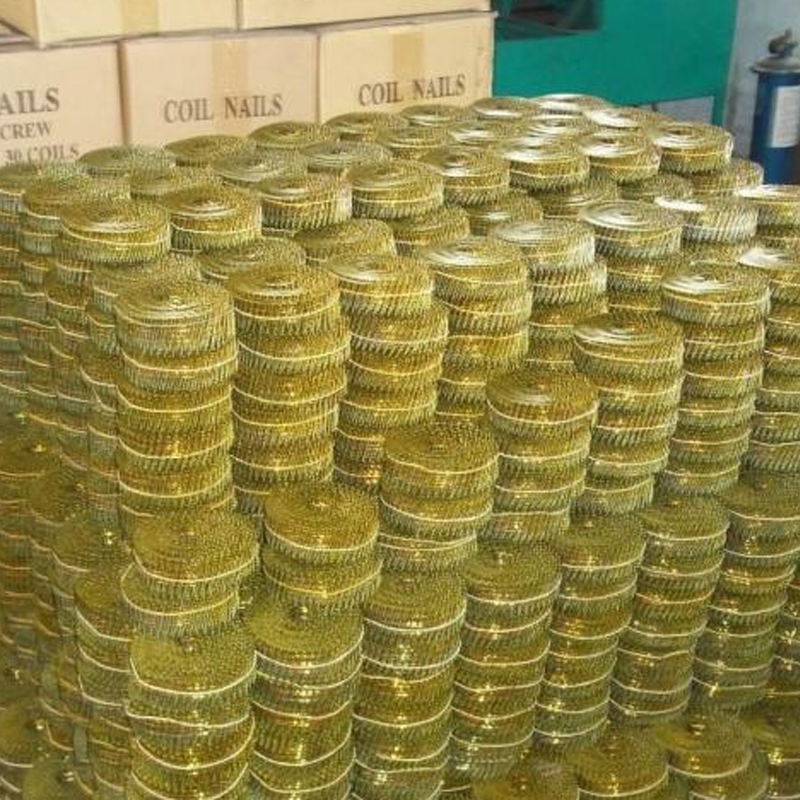
Furring strips are typically manufactured from softwood lumber, such as Spruce-Pine-Fir (SPF) or Douglas Fir-Larch. The key material properties influencing nail holding capacity are wood density, moisture content, and grain orientation. Higher density wood generally provides greater resistance to nail pull-out. Moisture content significantly affects dimensional stability; excessive moisture leads to swelling and reduced nail holding power. Grain orientation, particularly the angle relative to the nail shaft, impacts shear strength. Nails used for concrete fastening are commonly manufactured from hardened steel, often with corrosion-resistant coatings. These coatings include galvanization (zinc coating), which provides sacrificial protection against corrosion, and stainless steel (typically 304 or 316 grade) for environments with high chloride exposure. Manufacturing processes for concrete nails involve cold heading, a process where steel wire is formed into a nail shape using dies under high pressure. Heat treatment follows to achieve the required hardness and tensile strength. The nail shank geometry, including smooth, ring shank, and spiral shank designs, influences withdrawal resistance. The concrete itself is a composite material comprised of cement, aggregates (sand and gravel), and water. Its compressive strength, determined by testing concrete cylinders, is a crucial factor in determining nail penetration depth and overall connection strength. Aggregate size and type also affect nail holding capacity.
Performance & Engineering
The performance of nailed furring strips is fundamentally governed by principles of structural mechanics, specifically shear and pull-out resistance. Shear resistance refers to the nail's ability to withstand forces acting parallel to the substrate surface, while pull-out resistance is its ability to resist forces acting perpendicular to the substrate. The load capacity is also heavily impacted by the edge distance and spacing of the nails. Reducing edge distance (distance from the nail to the edge of the furring strip) and increasing spacing generally reduces the overall load-bearing capacity. Engineering calculations must consider the applied loads (dead load, live load, wind load) and the safety factors stipulated by building codes. Concrete compressive strength is a significant variable in these calculations, as it directly affects the bearing capacity of the concrete. Thermal expansion and contraction of the wood furring strips and the concrete substrate must also be considered. Differences in thermal expansion coefficients can create stresses at the nail connection, potentially leading to loosening or failure. Compliance with building codes, such as the International Building Code (IBC), is essential. These codes specify minimum nail size, spacing, and penetration depth requirements based on the application and load conditions. Consideration should be given to long-term creep effects in both the wood and the concrete, which can gradually reduce the stiffness of the connection.
Technical Specifications
| Nail Type | Shank Type | Diameter (inches) | Length (inches) | Minimum Concrete Compressive Strength (psi) | Pull-out Resistance (lbs) |
|---|---|---|---|---|---|
| Hardened Steel | Smooth | 0.120 | 2.5 | 3000 | 150 |
| Hardened Steel | Ring Shank | 0.120 | 2.5 | 3000 | 250 |
| Hardened Steel | Spiral Shank | 0.120 | 2.5 | 3000 | 300 |
| Stainless Steel (304) | Ring Shank | 0.120 | 2.5 | 3000 | 220 |
| Hardened Steel | Smooth | 0.140 | 3.0 | 4000 | 220 |
| Hardened Steel | Ring Shank | 0.140 | 3.0 | 4000 | 350 |
Failure Mode & Maintenance
Common failure modes in nailed furring strip connections include nail bending, nail pull-out, concrete cone failure, and wood splitting. Nail bending occurs when the applied shear force exceeds the nail's yield strength. Nail pull-out results from exceeding the shear strength between the nail shank and the concrete. Concrete cone failure occurs when the concrete surrounding the nail shatters, reducing the bearing area and leading to connection failure. Wood splitting can occur if the nail is too close to the edge of the furring strip or if the wood is excessively dry and brittle. Corrosion of the nail, especially in high-humidity or chloride-rich environments, can significantly reduce its strength over time. Preventive maintenance involves periodic inspections to identify signs of corrosion, loosening, or wood deterioration. Loose nails should be replaced with appropriately sized and coated fasteners. Damaged or split furring strips should be replaced. Surface treatments, such as applying a water-repellent sealant to the wood, can help mitigate moisture-related issues. Regularly check for signs of efflorescence on the concrete, which can indicate moisture intrusion and potential corrosion problems. The use of appropriate corrosion-resistant coatings on the nails is crucial, especially in coastal or industrial environments. Maintaining adequate ventilation behind the furring strips can help prevent moisture buildup and reduce the risk of corrosion and wood rot.
Industry FAQ
Q: What is the recommended nail spacing for furring strips supporting drywall?
A: For typical drywall applications, a nail spacing of 12 inches on center (o.c.) is generally recommended. However, this may vary depending on the drywall thickness and the load requirements specified by the building code. Always consult local building codes for specific requirements.
Q: How does concrete strength affect nail holding capacity?
A: Higher concrete compressive strength provides greater resistance to nail pull-out. The pull-out capacity is directly proportional to the square root of the concrete compressive strength. Therefore, using nails designed for the specified concrete strength is critical for ensuring a secure connection.
Q: What type of nail coating is best for exterior applications?
A: For exterior applications, stainless steel nails (304 or 316 grade) are highly recommended due to their superior corrosion resistance. If stainless steel is not feasible due to cost, hot-dip galvanized nails provide good protection against corrosion, but may require periodic maintenance.
Q: Can I use a nail gun for this application?
A: Yes, pneumatic nail guns can be used, but it's crucial to use the correct nail gun settings (pressure and depth) to ensure proper nail penetration and avoid damaging the concrete or furring strip. Ensure the nail gun is compatible with the specific nail type being used.
Q: What should I do if I encounter cracking in the concrete around the nail location?
A: Cracking in the concrete around the nail location indicates that the concrete may be unable to withstand the applied load. Discontinue nailing in that area and consult a structural engineer to assess the damage and determine the appropriate remediation measures. Reinforcing the area or using alternative fastening methods may be necessary.
Conclusion
The successful application of nailed furring strips to concrete walls hinges on a thorough understanding of the interplay between material properties, engineering principles, and industry standards. Selecting the correct nail type, ensuring adequate penetration depth, and adhering to proper spacing guidelines are paramount for achieving a durable and reliable connection. Careful consideration of environmental factors, such as moisture and corrosion potential, is equally critical for long-term performance.
Future advancements in fastening technology may lead to the development of specialized nails with enhanced pull-out resistance and corrosion protection. Exploring alternative fastening methods, such as adhesive bonding or mechanical anchors, may be beneficial in situations where nailing is not suitable. Continued research into the long-term behavior of nailed connections in concrete is essential for refining design guidelines and ensuring the safety and longevity of building structures.