



Introduction
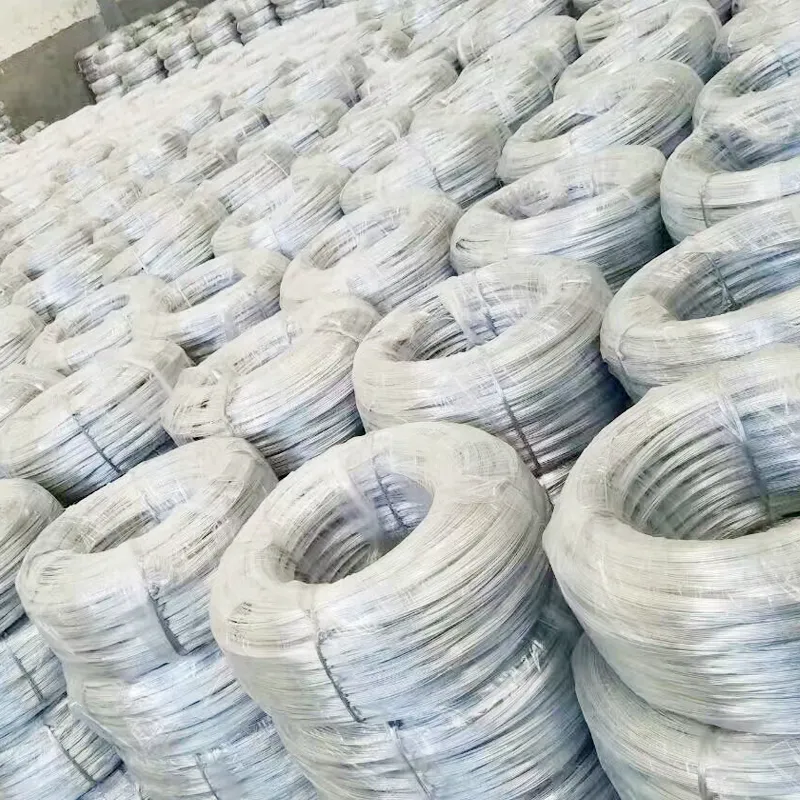
Concrete nails are specialized fasteners designed for direct insertion into concrete, brick, and other masonry materials without the need for pre-drilling in many applications. Distinguished from conventional steel nails, concrete nails leverage hardened steel alloys and unique geometries to achieve sufficient penetration and holding power within the compressive strength of the base material. Their position within the construction industry chain is as a critical element in fastening applications where speed, simplicity, and avoidance of dust generation associated with drilling are prioritized, encompassing tasks such as attaching furring strips, electrical boxes, and lightweight fixtures. Core performance characteristics include shear strength, tensile strength (pull-out resistance), bending strength, and durability against corrosion, all critical for ensuring long-term structural integrity. The selection of appropriate concrete nail type is dictated by concrete compressive strength, the desired load bearing capacity, and environmental exposure conditions.
Material Science & Manufacturing
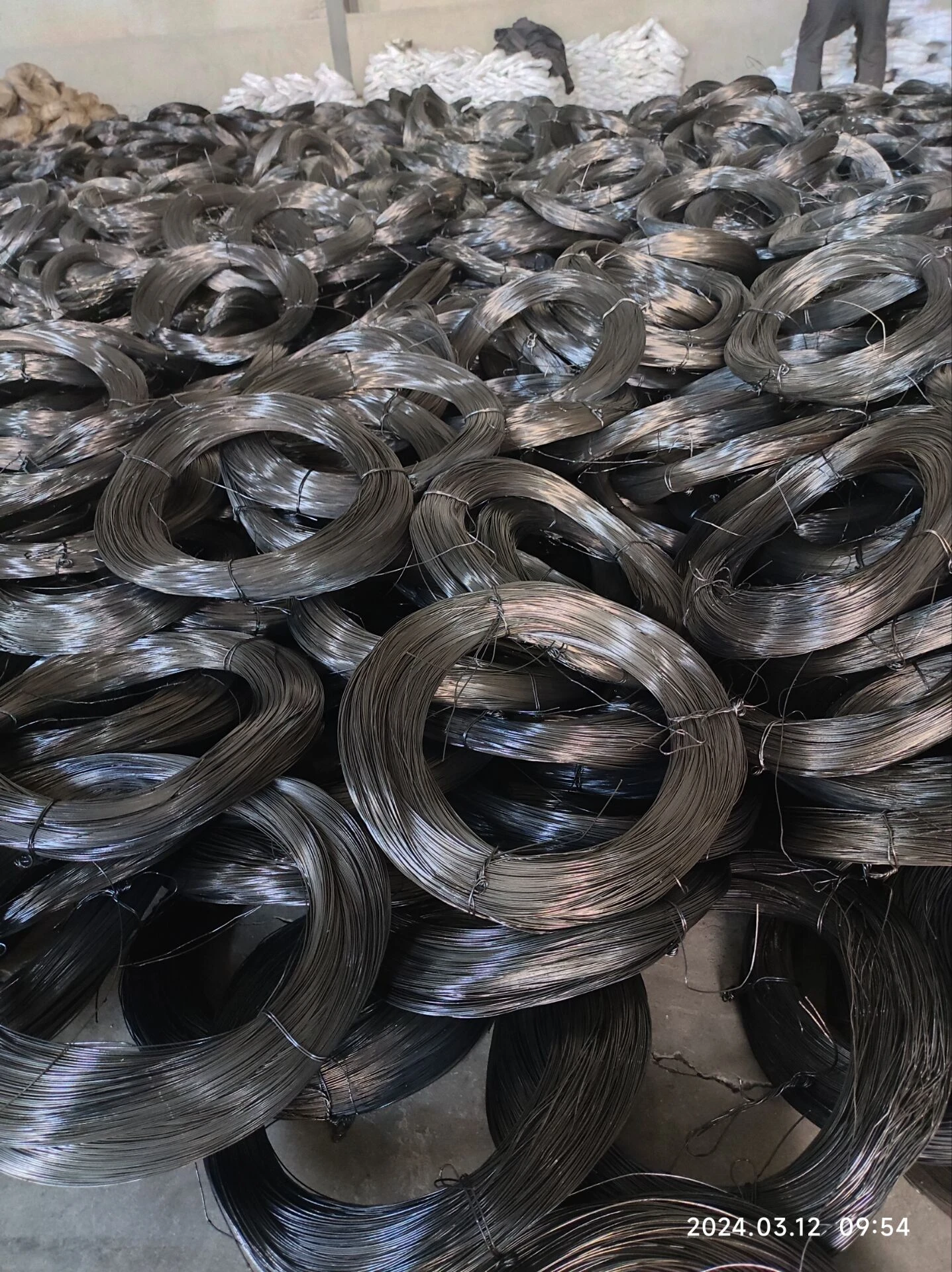
Concrete nails are predominantly manufactured from high-carbon steel alloys, typically AISI 1045 or equivalent, selected for their high hardness and tensile strength. The steel undergoes a heat treatment process – hardening and tempering – to achieve a Rockwell C hardness of 50-60 HRC. This process optimizes the nail’s ability to displace concrete aggregate without fracturing. The manufacturing process begins with wire drawing, reducing the diameter of steel rods to the desired nail gauge. This is followed by heading, where the wire is formed into the nail head, often utilizing cold forging techniques for improved material density. The nail point is then sharpened through a grinding process, creating a chisel or diamond point for efficient concrete penetration. Surface treatments are crucial; galvanization (zinc coating) is common for corrosion resistance, while epoxy coating or stainless steel alloys are employed in highly corrosive environments. The chemical composition of the steel must adhere to strict standards, controlling elements such as carbon, manganese, silicon, and phosphorus to achieve the specified mechanical properties. Key parameter control during manufacturing involves maintaining consistent wire diameter, head dimensions, point angle, and coating thickness to ensure uniform performance. Material compatibility is vital; the steel alloy must not undergo galvanic corrosion when in contact with common construction materials like aluminum or copper.
Performance & Engineering
The performance of concrete nails is fundamentally governed by the principles of material mechanics and concrete behavior. Upon impact, the nail creates compressive stresses in the surrounding concrete, forcing aggregate particles aside. The holding power primarily relies on friction between the nail shank and the concrete, as well as mechanical interlock achieved by displacing the aggregate. Force analysis considers both shear forces (resistance to sideways movement) and tensile forces (pull-out resistance). Shear strength is dependent on the nail’s shank diameter, length, and the compressive strength of the concrete. Pull-out resistance is directly related to the nail’s surface area in contact with the concrete and the frictional coefficient. Environmental resistance, particularly to corrosion, is a critical engineering consideration. Exposure to moisture, chlorides, and sulfates can initiate corrosion, reducing the nail’s cross-sectional area and, consequently, its load-bearing capacity. Compliance requirements include adherence to building codes, which specify allowable stress levels and safety factors. The design of the nail head is also a key engineering aspect; a cupped or disc head provides a larger bearing surface for increased clamping force. Functional implementation requires proper nail driving techniques; driving nails perpendicular to the surface and avoiding overdriving are essential to maximize holding power and prevent concrete cracking.
Technical Specifications
| Nail Diameter (Gauge) | Nail Length (inches) | Head Type | Minimum Withdrawal Strength (lbs) |
|---|---|---|---|
| 6d (0.113") | 1.5" | Flat | 150 |
| 8d (0.131") | 2" | Flat | 250 |
| 10d (0.148") | 2.5" | Flat | 350 |
| 12d (0.162") | 3" | Flat | 450 |
| 6d (0.113") | 1.5" | Cupped | 180 |
| 8d (0.131") | 2" | Cupped | 300 |
Failure Mode & Maintenance
Concrete nail failure can manifest in several modes. Shear failure occurs when the nail bends or breaks due to excessive sideways force, particularly in weaker concrete. Tensile failure (pull-out) happens when the nail’s frictional grip on the concrete is overcome. Fatigue cracking can occur under cyclical loading, leading to gradual weakening and eventual failure. Corrosion is a significant long-term failure mechanism, particularly in exposed environments. The formation of rust reduces the nail’s effective cross-section, diminishing its strength. Concrete spalling around the nail can also contribute to failure, weakening the surrounding material and reducing holding power. Delamination of the concrete itself, if present, exacerbates these issues. Maintenance primarily focuses on preventative measures. Regular inspection for signs of corrosion is crucial. Applying protective coatings (e.g., epoxy primers) to exposed nails can slow down corrosion. If corrosion is detected, replacing the nail is the most effective solution. In areas prone to moisture, using corrosion-resistant nail materials (stainless steel or epoxy-coated nails) is recommended. Addressing concrete cracking around the nail also mitigates potential failure points. Avoid overloading the nail beyond its specified load capacity, as this accelerates fatigue and failure.
Industry FAQ
Q: What is the impact of concrete compressive strength on nail holding power?
A: Higher concrete compressive strength generally correlates with increased nail holding power. Stronger concrete provides greater resistance to deformation, increasing the friction and mechanical interlock between the nail and the concrete matrix. Nails are typically rated for use in specific concrete strength ranges, and exceeding these limits can significantly reduce holding capacity.
Q: How does galvanization protect concrete nails from corrosion?
A: Galvanization provides a sacrificial barrier against corrosion. The zinc coating corrodes preferentially to the steel, protecting the underlying steel from exposure to corrosive elements like moisture and chlorides. However, the protection is limited; once the zinc coating is depleted, the steel will begin to corrode. Thicker zinc coatings offer longer-lasting protection.
Q: What are the advantages of using cupped head concrete nails versus flat head nails?
A: Cupped head nails provide a larger bearing surface than flat head nails, resulting in increased clamping force and improved resistance to pull-through. This is particularly beneficial in applications where the fastened material is subject to movement or vibration. They distribute the load over a wider area, reducing stress concentration in the concrete.
Q: Are there specific nail driving techniques to maximize holding power?
A: Yes. Driving nails perpendicular to the surface is crucial. Avoid angling the nail, as this reduces its effective shear strength. Avoid overdriving the nail, as this can damage the concrete and reduce holding power. Using a nail gun with adjustable depth control ensures consistent and optimal nail penetration. Using appropriate safety equipment, such as safety glasses, is also essential.
Q: What are the limitations of using concrete nails compared to concrete anchors?
A: Concrete nails are generally suitable for lighter-duty applications where high load-bearing capacity is not required. Concrete anchors, such as sleeve anchors or wedge anchors, provide significantly higher pull-out and shear strength and are recommended for structural applications or when fastening heavier objects. Concrete nails offer faster installation and are more cost-effective for appropriate applications.
Conclusion
Concrete nails represent a practical and efficient fastening solution for a range of construction applications, prioritizing speed and simplicity where moderate load-bearing requirements exist. The material science underpinning their effectiveness – specifically the utilization of high-carbon steel alloys and optimized heat treatment processes – ensures sufficient penetration and holding power within concrete substrates. Understanding the nuances of failure modes, primarily relating to shear, tensile, and corrosion, is paramount for long-term structural integrity, necessitating careful material selection and preventative maintenance strategies.
Future advancements may focus on developing enhanced surface coatings to further improve corrosion resistance, potentially incorporating self-healing polymers or advanced barrier layers. Further research into nail geometry and point designs could optimize concrete penetration and frictional engagement, increasing holding power without compromising installation ease. Adopting rigorous quality control measures throughout the manufacturing process will remain essential to ensure consistent performance and adherence to evolving industry standards.