



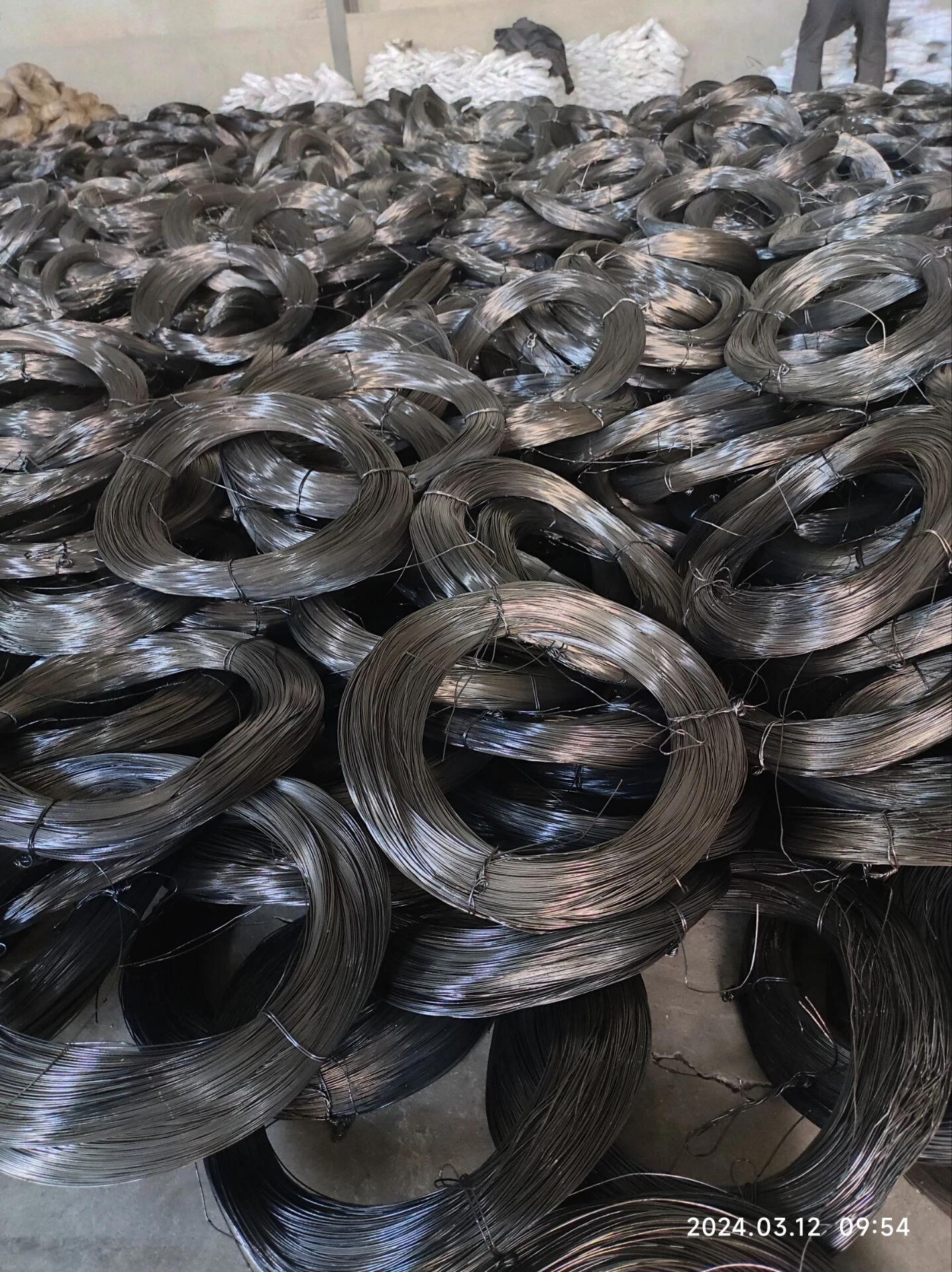
Introduction
Nails for wood-to-concrete applications represent a specialized fastening solution bridging organic and inorganic material interfaces. Traditionally, wood-to-concrete connections relied on mechanical anchors and adhesives. However, specifically engineered nails offer a faster, and in certain scenarios, more cost-effective alternative. These nails are not simply hardened steel fasteners; they are designed with features addressing the inherent differences in material properties – the compressibility and anisotropy of wood versus the rigidity and compressive strength of concrete. Their performance is dictated by a complex interplay of nail material composition, shank geometry, drive angle, and the concrete's compressive strength and wood species. This guide provides a comprehensive overview of the material science, manufacturing processes, performance characteristics, failure modes, and relevant standards for nails designed for wood-to-concrete fastening. Understanding these nuances is critical for ensuring structural integrity and long-term performance in a range of construction applications, from timber framing to facade cladding.
Material Science & Manufacturing
The manufacturing of nails for wood-to-concrete applications necessitates careful consideration of material properties and fabrication techniques. The nail body is typically constructed from high-carbon steel (e.g., AISI 1045, 1060) selected for its high tensile strength and shear resistance. However, standard steel is insufficient; it requires specialized heat treatment to achieve the necessary hardness and ductility. A common process involves carburization, increasing the carbon content at the surface to enhance wear resistance, followed by quenching and tempering to optimize the balance between hardness and toughness, preventing brittle fracture. Nail coatings play a crucial role in corrosion prevention. Common coatings include electrogalvanization (zinc plating) for moderate corrosion resistance, hot-dip galvanization for superior protection, and polymeric coatings (e.g., epoxy, polyurethane) for enhanced durability in aggressive environments. Shank geometry is a defining feature. Concrete-holding nails typically incorporate a series of rings, barbs, or flutes along the shank. These features increase pull-out resistance by mechanically interlock with the concrete aggregate. The head design varies; flat heads provide a flush finish, while countersunk heads allow for a recessed installation. Manufacturing processes involve cold heading, where the steel wire is formed into the nail shape using dies, followed by heat treatment and coating. Quality control is paramount, with stringent testing for tensile strength, shear strength, hardness, coating thickness, and dimensional accuracy performed throughout the production cycle. The wood interface requires a sharp point for efficient penetration without splitting the wood fibers. Concrete penetration necessitates a hardened tip and sufficient impact energy during installation.
Performance & Engineering
The performance of wood-to-concrete nails is governed by several engineering principles. Pull-out resistance is the primary concern, dictated by the mechanical interlock between the nail shank features and the concrete matrix. This resistance is directly proportional to the shank surface area in contact with the concrete, the compressive strength of the concrete (f'c), and the nail's embedment depth. Shear strength is also critical, particularly in applications subject to lateral loads. The nail's shear capacity depends on its cross-sectional area, the steel's shear strength, and the angle of the applied load. A force analysis must account for the combined stresses from bending, tension, and shear. The wood-nail interface presents a unique challenge. The wood's anisotropic nature means its strength varies significantly with grain direction. Nail installation angle influences both pull-out and shear resistance. Driving nails perpendicular to the wood grain maximizes shear capacity but can increase the risk of splitting. Compliance requirements vary by region and application. Building codes specify minimum nail spacing, embedment depth, and load-carrying capacity. Environmental resistance is a key consideration, particularly in coastal regions or structures exposed to harsh weather. Corrosion can significantly reduce nail strength over time. Proper coating selection and installation techniques are crucial to mitigate this risk. Finite element analysis (FEA) is often employed to model the nail-wood-concrete interaction, optimizing nail geometry and installation parameters for specific applications.
Technical Specifications
| Nail Diameter (mm) | Nail Length (mm) | Shank Coating | Minimum Concrete Compressive Strength (MPa) |
|---|---|---|---|
| 3.3 | 75 | Electrogalvanized | 25 |
| 3.8 | 90 | Hot-Dip Galvanized | 30 |
| 4.2 | 100 | Epoxy Coated | 35 |
| 4.5 | 120 | Hot-Dip Galvanized | 40 |
| 5.0 | 150 | Polyurethane Coated | 45 |
| 6.3 | 200 | Hot-Dip Galvanized | 50 |
Failure Mode & Maintenance
Failure of wood-to-concrete nails can manifest in several modes. Pull-out failure occurs when the nail's holding power in the concrete is exceeded, resulting in the nail extracting from the concrete. This is often preceded by cracking of the concrete around the nail shank. Shear failure involves the nail body fracturing or bending under lateral load. Fatigue cracking can develop under cyclic loading, initiating at stress concentrations around the nail head or shank features. Corrosion is a significant long-term failure mechanism, weakening the nail material and reducing its load-carrying capacity. Delamination of the coating exposes the steel to corrosive elements. Wood splitting, particularly near the nail entry point, can compromise the connection's integrity. Maintenance primarily involves periodic inspection for signs of corrosion, cracking, or pull-out. If corrosion is detected, the affected nails should be replaced. For structures exposed to severe weathering, regular application of protective coatings to the nail heads can extend their service life. Preventative maintenance includes ensuring proper nail installation techniques, avoiding overdriving or bending the nails, and selecting appropriate coatings for the specific environmental conditions. Addressing water ingress and maintaining adequate ventilation can help mitigate corrosion risks. Comprehensive failure analysis, including metallurgical examination and load testing, is crucial for determining the root cause of failures and implementing corrective actions.
Industry FAQ
Q: What is the impact of concrete moisture content on nail pull-out resistance?
A: Higher concrete moisture content generally increases pull-out resistance, up to a point. Water reduces friction between the nail shank and the concrete aggregate, allowing for better mechanical interlock. However, excessive moisture can lead to corrosion and potentially weaken the connection over time. Concrete should be adequately cured but not saturated during nail installation.
Q: How does wood species affect the performance of these nails?
A: Wood density and grain orientation significantly influence performance. Denser hardwoods generally offer greater holding power than softwoods. Nails driven parallel to the wood grain exhibit higher shear resistance than those driven perpendicular to it. Pre-drilling may be necessary for hardwoods to prevent splitting.
Q: What are the limitations of using nails versus mechanical anchors in concrete?
A: Nails generally have lower load-carrying capacity compared to mechanical anchors. Anchors offer more precise load transfer and are suitable for heavier loads and critical applications. Nails are best suited for lighter-duty applications where speed and ease of installation are priorities.
Q: Can these nails be used in precast concrete?
A: Yes, but caution is advised. Precast concrete often has a different aggregate composition and density compared to cast-in-place concrete. Testing is recommended to verify adequate pull-out resistance. The nail type and installation parameters may need to be adjusted to suit the specific precast concrete characteristics.
Q: What is the significance of the nail head design?
A: The nail head design impacts both the aesthetic appearance and the connection's performance. Flat heads provide a flush finish, while countersunk heads allow for concealment. Head size and shape affect the bearing capacity of the wood. A sufficiently large head is necessary to distribute the load and prevent wood crushing.
Conclusion
Nails specifically designed for wood-to-concrete applications offer a viable fastening solution when appropriately selected and installed. Their performance is deeply rooted in material science, particularly the interplay between steel alloy composition, heat treatment, and shank geometry optimized for mechanical interlock with concrete. A thorough understanding of the relevant engineering principles, including pull-out resistance, shear strength, and fatigue behavior, is paramount for ensuring structural integrity and long-term durability.
Future development will likely focus on enhanced corrosion resistance through advanced coating technologies and the development of smart nails incorporating sensors for real-time load monitoring and structural health assessment. Continued research into concrete-wood interface mechanics will refine nail designs and installation protocols, expanding the application range of this versatile fastening method and providing more sustainable construction solutions.