



Introduction
Nails are fundamental fasteners in construction, woodworking, and numerous other applications. Their seemingly simple design belies a complex engineering history and a wide array of specialized types designed to meet specific performance criteria. This guide provides an in-depth technical overview of nails, covering material science, manufacturing processes, performance characteristics, failure modes, and relevant industry standards. The construction industry’s reliance on nails extends from framing and roofing to finish carpentry and demolition, making understanding their properties and limitations critical for structural integrity, project longevity, and worker safety. Selection of the appropriate nail type is dictated by factors including the materials being joined (wood species, metal gauge, composite materials), the load-bearing requirements, the environmental conditions, and the fastening method employed (manual hammering, pneumatic nailing). This document aims to move beyond a basic catalog of nail types and provide a foundational understanding of the underlying principles governing their performance.
Material Science & Manufacturing
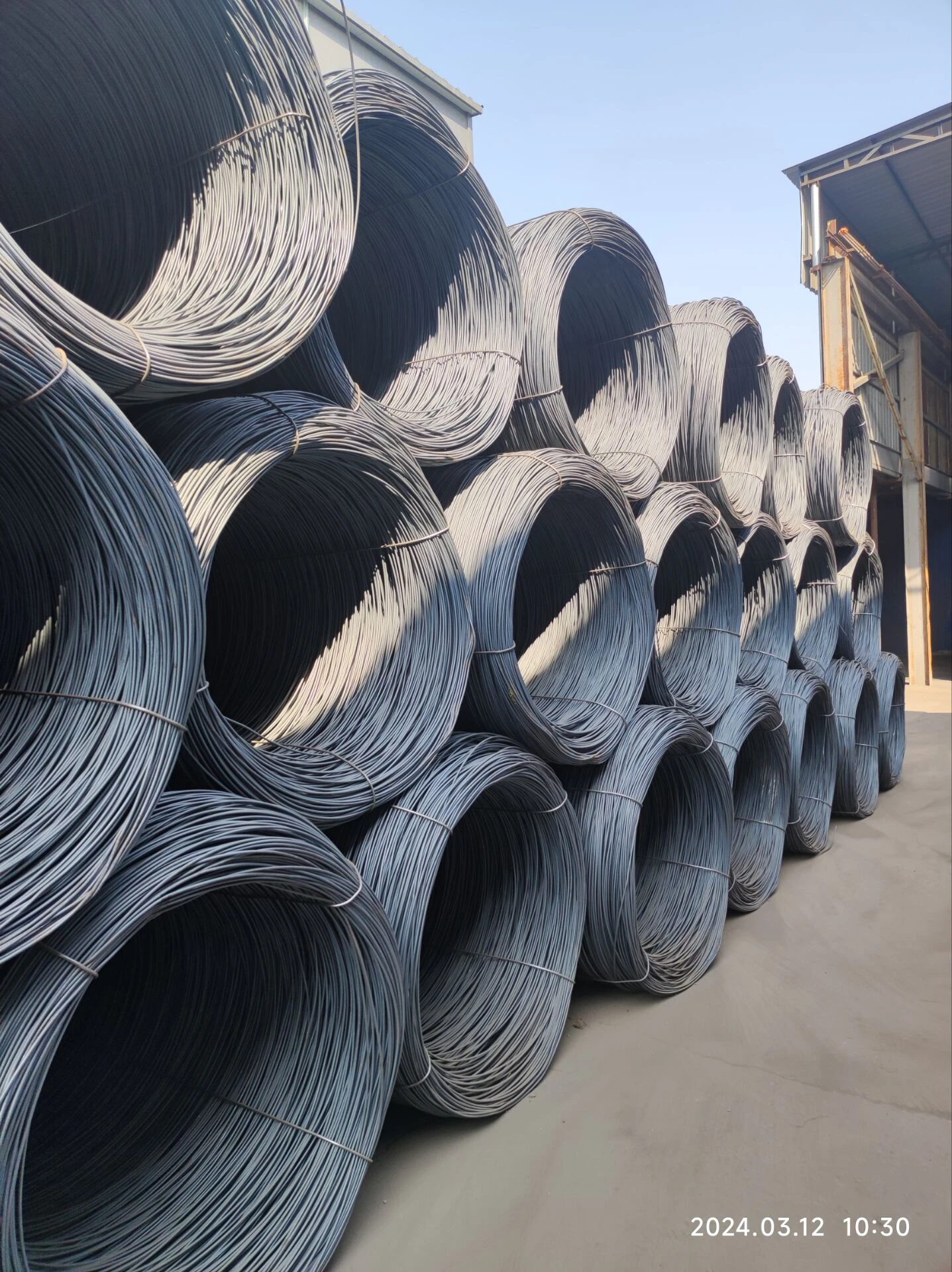
Nails are predominantly manufactured from carbon steel, although other materials like stainless steel, aluminum, copper, and brass are employed for specific applications. The most common carbon steel grades used are SAE 1008 and SAE 1010, offering a balance of tensile strength, ductility, and cost-effectiveness. The steel undergoes a cold-heading process, where wire is fed into dies and formed into the nail shape. This process work-hardens the steel, increasing its tensile strength. Wire drawing reduces the diameter of the steel wire, optimizing it for cold heading. The head is formed through a process called upsetting, compressing the steel to create the desired head geometry. Nail point geometry is critical; common points include diamond points (general purpose), blunt points (for softwoods), and chisel points (for hardwoods and preventing splitting). Coating is a vital manufacturing step. Galvanization (zinc coating) provides corrosion resistance, achieved through hot-dip galvanization or electrogalvanization. Polymer coatings (e.g., epoxy, acrylic) offer additional protection and can modify frictional characteristics. Nail shank characteristics are equally important: smooth shanks reduce splitting; ring shanks (annular threads) increase withdrawal resistance; and screw shanks provide maximum holding power. The material’s yield strength and ultimate tensile strength directly correlate to the nail’s load-bearing capacity. Chemical composition is tightly controlled to ensure consistency in these mechanical properties. Hydrogen embrittlement is a concern during galvanization; post-treatment baking is sometimes employed to mitigate this risk.
Performance & Engineering
The performance of a nail is primarily dictated by its shear strength, tensile strength, and bending strength. Shear strength is the nail's ability to resist forces acting parallel to its shank, critical in resisting racking forces in framed structures. Tensile strength determines the nail’s resistance to being pulled out (withdrawal resistance), influenced by shank design (ring or screw shanks significantly enhance withdrawal resistance) and wood density. Bending strength assesses the nail's resistance to lateral forces. Engineering calculations for nail connections rely on established formulas derived from empirical testing, taking into account nail diameter, length, wood density, and angle of shear. Load duration is a crucial factor; nails exhibit creep behavior under sustained loads. Environmental resistance is paramount. Corrosion, particularly in treated lumber or coastal environments, can significantly degrade nail performance. Galvanization thickness and coating type directly impact corrosion resistance. Fastener spacing is engineered based on load requirements and code specifications. Edge distance (distance from nail to edge of the material) is critical to prevent splitting. Proper nailing technique – ensuring straight drives and appropriate driving depth – is vital for maximizing performance. Finite element analysis (FEA) is increasingly used to model nail connections, allowing engineers to optimize nail placement and predict connection behavior under complex loading scenarios. Nail connections must comply with building codes and regulations, including those specifying nail size, spacing, and penetration depth for various structural applications.
Technical Specifications
| Nail Type | Material | Shank Type | Coating | Typical Gauge (d) | Tensile Strength (MPa) |
|---|---|---|---|---|---|
| Common Nail | Carbon Steel (SAE 1008) | Smooth | Bright | 2.3 - 4.0 mm | 400 - 600 |
| Box Nail | Carbon Steel (SAE 1010) | Smooth | Galvanized | 2.1 - 3.3 mm | 450 - 650 |
| Finishing Nail | Carbon Steel | Smooth | Bright | 1.8 - 2.8 mm | 500 - 700 |
| Roofing Nail | Carbon Steel | Ring Shank | Galvanized | 2.5 - 3.8 mm | 550 - 750 |
| Duplex Nail | Carbon Steel | Ring Shank | Hot-Dip Galvanized | 2.8 - 4.2 mm | 600 - 800 |
| Stainless Steel Nail | 304/316 Stainless Steel | Smooth/Ring Shank | None | 2.0 - 3.5 mm | 700 - 900 |
Failure Mode & Maintenance
Nail failures can manifest in several ways. Withdrawal failure occurs when the nail loses its grip and pulls out of the wood, exacerbated by low shank friction and wood compression. Shear failure happens when the nail shank fractures under excessive shear stress, often due to improper nail size or wood density. Bending failure occurs when the nail bends excessively under lateral loads, leading to connection weakening. Corrosion is a long-term failure mode, particularly with uncoated nails in harsh environments, resulting in a gradual reduction in cross-sectional area and diminished strength. Splitting of the wood around the nail shank is a common issue, especially with blunt or oversized nails. Fatigue cracking can occur in nails subjected to cyclical loading, leading to incremental crack growth and eventual failure. Maintenance primarily involves regular inspection for corrosion or signs of loosening. For critical structural connections, periodic retightening or replacement of corroded nails is recommended. Proper storage of nails is crucial to prevent rust formation; storing them in a dry environment is essential. In applications involving treated lumber, the use of fasteners specifically rated for use with treated wood is paramount to avoid accelerated corrosion caused by the chemical preservatives. Preventative measures, such as using appropriate nail size and spacing and ensuring proper nailing technique, significantly reduce the likelihood of premature failure.
Industry FAQ
Q: What is the difference between a common nail and a box nail, and when should each be used?
A: Common nails have a relatively thick shank and head, designed for general construction and framing where high withdrawal resistance isn't critical. Box nails have a thinner shank, making them easier to drive and less likely to split the wood. They are ideal for applications like assembling boxes, trim work, and light-duty fastening where a clean finish is desired and withdrawal resistance is less important. The reduced shank thickness means box nails have lower shear strength.
Q: How does galvanization affect the long-term performance of nails, and what are the different types of galvanization?
A: Galvanization significantly improves the corrosion resistance of nails, extending their lifespan in exposed or corrosive environments. There are two primary types: hot-dip galvanization, which provides a thicker, more durable coating, and electrogalvanization, which offers a thinner, smoother coating. Hot-dip galvanization is generally preferred for exterior applications and treated lumber, while electrogalvanization is suitable for less demanding environments.
Q: What is the significance of ‘ring shanking’ and how does it enhance nail performance?
A: Ring shanking involves creating annular threads around the nail shank. These threads bite into the wood fibers as the nail is driven, dramatically increasing withdrawal resistance. This is crucial in applications where the connection is subject to tensile forces or vibration. Ring shank nails are commonly used in roofing, decking, and framing where a secure, long-lasting connection is required.
Q: What considerations should be made when using nails in treated lumber?
A: Treated lumber contains chemicals to prevent decay and insect infestation. These chemicals are corrosive to many metals, including carbon steel. Therefore, when using nails with treated lumber, it is essential to use nails specifically manufactured for treated lumber, typically with a hot-dip galvanized or stainless-steel coating. Using non-compatible nails can lead to rapid corrosion and connection failure.
Q: How does wood species affect the holding power of a nail?
A: Wood density is a critical factor. Hardwoods (like oak and maple) generally provide greater holding power than softwoods (like pine and fir) due to their tighter grain structure. Nails driven into hardwoods require more force to drive but exhibit higher withdrawal resistance. The moisture content of the wood also plays a role; dry wood offers better holding power than wet wood, as the fibers shrink around the nail shank.
Conclusion
The selection and application of nails are far from trivial; they represent a cornerstone of countless construction practices. A comprehensive understanding of material science, manufacturing techniques, performance parameters, and potential failure modes is vital for ensuring structural integrity and longevity. This guide has detailed the critical considerations for choosing the right nail for a given application, highlighting the importance of factors like material composition, shank design, coating type, and wood species.
Looking ahead, advancements in nail technology will likely focus on developing more corrosion-resistant coatings, optimizing shank geometries for increased holding power, and incorporating smart materials for self-monitoring of connection integrity. Continued research and adherence to industry standards are essential for maintaining the reliability and safety of nail-based connections in the built environment. Ultimately, a well-informed approach to nail selection and installation is paramount for successful and durable construction projects.