



Introduction
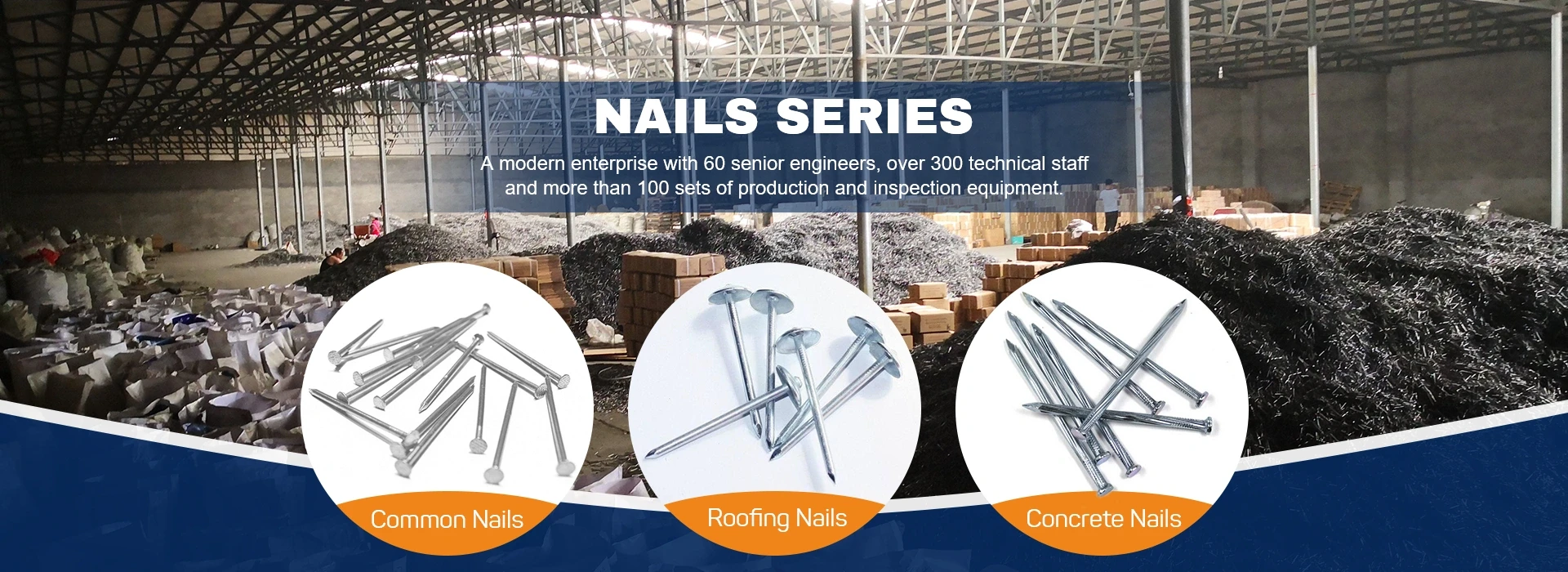
Ring coil nails represent a significant advancement in fastening technology within the construction and woodworking industries. Differing from traditional bulk nails, ring coil nails are collated in a circular ring, facilitating high-speed, automated application through specialized nail guns. This system dramatically increases productivity and reduces material handling time, making it ideally suited for large-scale framing, sheathing, roofing, and pallet manufacturing. Their core performance characteristics – holding power, shear strength, and consistent feed rate – directly impact the structural integrity and efficiency of construction projects. The industry has moved towards ring coil nails to address the inefficiencies and ergonomic challenges associated with manual nailing and conventional collated nails, necessitating a thorough understanding of their material composition, manufacturing processes, performance parameters, and potential failure modes.
Material Science & Manufacturing
The manufacturing of ring coil nails begins with high-carbon steel wire, typically SAE 1068, 1074, or equivalent, selected for its tensile strength and ductility. The raw material undergoes a rigorous quality control process to ensure consistent chemical composition and absence of surface defects. The wire is drawn to the desired diameter, ranging from 2.8mm to 3.4mm depending on the application, and then subjected to heading, a cold-forming process where the wire is shaped into the nail head. Head formation is critical and requires precise control of the heading die geometry and force to achieve the desired head size and cup depth. Following heading, the nails undergo a polishing process to remove any surface imperfections and improve corrosion resistance. The collation process is perhaps the most defining characteristic. Nails are fed into a rotating ring collation machine, which arranges them in a continuous circular pattern and secures them with plastic or wire binding. The binding material’s tensile strength must exceed the withdrawal force of the nails to prevent separation during use. Critical manufacturing parameters include wire tensile strength (600-800 MPa), head hardness (HRC 45-55), and collation accuracy (±0.5mm). Heat treatment is typically employed after heading to optimize the balance between hardness and toughness. Variations in steel alloy composition impact weldability if the nails are used in conjunction with metal connectors.
Performance & Engineering
The performance of ring coil nails is fundamentally governed by principles of material mechanics and fastener design. Holding power, typically measured via withdrawal force, is dependent on nail diameter, length, shank design (smooth vs. ring shank), and the density of the wood being fastened. Ring shank nails offer superior holding power due to the increased surface area created by the rings, which mechanically interlock with the wood fibers. Shear strength, crucial in applications subject to lateral loads (e.g., shear walls), is determined by the nail’s cross-sectional area and the steel’s shear modulus. Engineering considerations must account for load duration (static vs. dynamic), moisture content of the wood, and the presence of preservatives or coatings. Corrosion resistance is a vital performance attribute, and galvanization (zinc coating) is commonly employed to protect the steel from environmental degradation. The type of galvanization (hot-dip vs. electrogalvanization) dictates the coating thickness and long-term corrosion protection. Nail guns are engineered to deliver consistent driving force and depth, but improper gun settings can lead to overdriven or underdriven nails, compromising holding power. Compliance with building codes (e.g., ICC-ES evaluations) requires rigorous testing to demonstrate structural performance and ensure safety.
Technical Specifications
| Nail Diameter (mm) | Nail Length (mm) | Shank Type | Coating Type |
|---|---|---|---|
| 2.9 | 50 | Smooth | Bright Basic (uncoated) |
| 3.1 | 65 | Ring Shank | Hot-Dip Galvanized (ASTM A153) |
| 3.3 | 80 | Ring Shank | Electrogalvanized (Zinc-Nickel Alloy) |
| 3.4 | 90 | Screw Shank | Hot-Dip Galvanized (ASTM A153) |
| 2.8 | 40 | Smooth | Polymer Coated (for corrosion resistance) |
| 3.0 | 70 | Ring Shank | Stainless Steel (AISI 304) |
Failure Mode & Maintenance
Ring coil nails, despite their robust design, are susceptible to several failure modes. Fatigue cracking can occur under cyclic loading, particularly in applications where the nails are subject to repeated stress reversals. This is exacerbated by corrosion and pre-existing defects in the nail material. Withdrawal failure, where the nail pulls out of the wood, is common when the nail is underdriven or the wood is excessively dry or damaged. Shear failure involves the nail fracturing due to excessive lateral force. Corrosion, particularly in untreated or inadequately coated nails, weakens the nail material and accelerates fatigue cracking. Hydrogen embrittlement, a less common but potentially severe failure mode, can occur in high-strength steel nails exposed to corrosive environments. Maintenance primarily revolves around proper storage of the nails to prevent corrosion. Nails should be stored in a dry, well-ventilated area, protected from direct exposure to moisture and corrosive chemicals. Regular inspection of the nail gun is crucial to ensure proper operation and prevent overdriving or underdriving. Damaged or worn nail gun components should be replaced promptly. Avoiding the use of nails with visible signs of corrosion or damage is critical to prevent premature failure in structural applications.
Industry FAQ
Q: What is the optimal ring shank angle for maximizing holding power in softwood framing?
A: The optimal ring shank angle typically falls within the range of 30-45 degrees. Shallower angles provide easier driving but may reduce holding power, while steeper angles offer greater mechanical interlock but can increase the risk of splitting the wood. The specific optimal angle depends on the wood species, density, and moisture content.
Q: How does the type of galvanization affect the long-term performance of ring coil nails in exterior applications?
A: Hot-dip galvanization generally provides superior long-term corrosion protection compared to electrogalvanization due to its thicker zinc coating. However, electrogalvanization with zinc-nickel alloys can offer comparable performance with enhanced ductility and improved corrosion resistance in certain environments. The choice depends on the severity of the exposure conditions and the desired service life.
Q: What are the common causes of nail bending during high-speed driving in automated systems?
A: Nail bending can result from several factors, including improper nail gun settings (driving pressure too high or too low), worn or damaged nail gun components (e.g., driver blade), inconsistent nail quality (e.g., bent or damaged nails within the coil), and the presence of knots or other obstructions in the wood.
Q: Can ring coil nails be used in treated lumber, and what precautions should be taken?
A: Yes, ring coil nails can be used in treated lumber, but it’s essential to use nails specifically coated for use with treated wood (e.g., ACQ-compatible coatings). Conventional galvanization may be insufficient to prevent corrosion in contact with treated lumber chemicals. Always consult the lumber treatment manufacturer’s recommendations regarding fastener compatibility.
Q: How do different nail head designs (e.g., flat, countersunk) affect the aesthetic appearance and structural performance of the finished assembly?
A: Flat head nails provide a flush or slightly protruding finish, suitable for general construction. Countersunk nails create a recessed finish, offering a cleaner aesthetic and reducing the risk of snagging. Countersunk heads may slightly reduce holding power compared to flat heads, but this difference is typically negligible in most applications.
Conclusion
Ring coil nails have fundamentally altered fastening practices in numerous industries, offering significant advantages in terms of speed, efficiency, and cost-effectiveness. Their performance is critically dependent on a complex interplay of material properties, manufacturing precision, and engineering considerations. A thorough understanding of these factors, coupled with adherence to industry standards and best practices, is paramount to ensuring the structural integrity and long-term durability of any assembly utilizing this fastening technology.
Future advancements in ring coil nail technology are likely to focus on developing more durable coatings, optimizing shank designs for specific wood species, and integrating smart sensors to monitor driving performance and detect potential failures. Continued research into the effects of different environmental factors on nail corrosion and fatigue life will also be essential to enhance their reliability and extend their service life.